
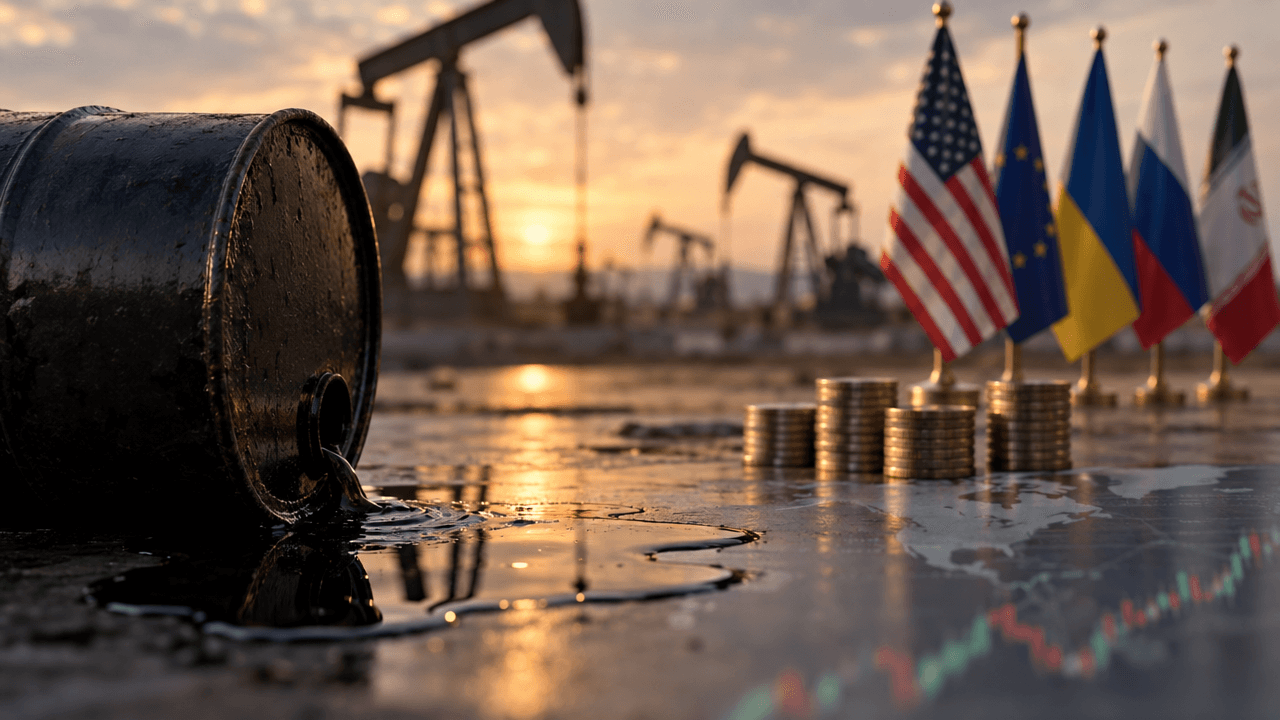
Oil futures have plunged as traders price in a better chance of diplomatic de-escalation between the United States and Iran. Brent crude fell more than 8% in one session and settled near $95 a barrel, later slipping below $100, while WTI also declined sharply. The move erased part of oil’s recent geopolitical premium, which had reflected fears that conflict could disrupt production, exports, or shipping routes across the Middle East. [4][5]
The selloff illustrates how quickly energy markets can reprice political risk. Oil prices are not responding only to barrels currently being produced; they also reflect the probability of future supply interruptions. When investors believe negotiations may reduce the threat of wider conflict, they can unwind defensive positions, sell futures contracts, and reduce expectations for shortages. That process can produce an abrupt decline even before physical supply changes.
Why Diplomatic Expectations Matter
Reports of diplomatic progress involving Washington, Tehran, and regional intermediaries have eased concerns about a prolonged confrontation. Market participants are particularly focused on the possibility that an agreement could reduce risks around vital energy infrastructure and shipping lanes. The prospect of a less disruptive path has encouraged traders to remove some of the risk premium built into crude prices during the conflict.
US midterm election results have also influenced expectations. Investors interpreted significant Democratic victories as potentially increasing political pressure for an end to the conflict, helping strengthen hopes for renewed negotiations. Brent reached a session low near $93.22 after the results, its lowest level in roughly two months, according to market reports. [1]
However, a diplomatic expectation is not the same as a completed agreement. Negotiations can stall, military developments can change the outlook, and markets may reverse quickly if tensions rise again. For traders, the key lesson is that geopolitical oil moves often reflect probabilities rather than confirmed events.
The Inflation Channel
Lower crude prices can reduce inflation pressure through several channels. The most immediate is gasoline and diesel. When wholesale oil becomes cheaper, fuel prices may eventually decline, although the timing and size of the pass-through depend on refining margins, taxes, transportation costs, and local market conditions.
Energy also affects the prices of goods and services indirectly. Cheaper fuel lowers costs for airlines, trucking companies, manufacturers, farmers, and retailers. Businesses may absorb part of the savings through wider margins, but sustained declines can also reduce pressure to raise prices for customers.
This matters because energy shocks can influence inflation expectations. A sharp rise in oil prices can make households and businesses anticipate broader price increases. A sharp decline can have the opposite effect, especially if it continues for several weeks. The Federal Reserve has previously identified geopolitical developments that raised crude and refined-fuel prices as contributors to inflation pressure. [2]
Still, one falling oil price does not guarantee lower overall inflation. Core services, housing, wages, food, and other components may follow different trends. Oil prices can also rebound before their effects fully reach consumers. The most useful signal is therefore a sustained change in energy costs, not a single volatile trading session.
What It Means For The Federal Reserve
Cheaper energy could give the Federal Reserve more room to avoid an overly aggressive policy response if other inflation measures are also cooling. Lower headline inflation may reduce pressure for additional rate increases and could support expectations for a less restrictive policy stance.
The relationship is not automatic. The Fed focuses heavily on underlying inflation and economic activity rather than reacting mechanically to daily commodity prices. If labor markets remain tight or service-sector inflation stays elevated, lower crude prices alone may not materially alter the policy outlook.
For financial markets, though, the direction of oil prices can still affect interest-rate expectations. A decline in energy costs may support bonds, reduce inflation breakevens, and help interest-sensitive equities. At the same time, a sharp oil selloff can signal weaker global demand if it is driven by economic concerns rather than improved supply expectations. Traders must distinguish between those two explanations.
Market Impact Across Asset Classes
The immediate winners from lower oil prices are often fuel-sensitive industries. Airlines, transportation companies, chemical producers, manufacturers, and consumer businesses may benefit from reduced operating costs. Several aviation, paint, and oil-marketing shares rallied as crude fell below $100. [5]
Oil producers and related companies face the opposite pressure. Lower prices can reduce revenue expectations, narrow profit margins, and weaken investment incentives. Energy-sector equities may underperform even when broader stock indexes gain from improved inflation expectations.
Currencies and emerging markets can also react. Oil-importing economies may benefit from a smaller trade bill, while major exporters may face weaker fiscal and current-account prospects. In fixed income, a durable decline in energy prices could reinforce demand for government bonds if investors expect slower inflation and fewer rate increases.
Practical Takeaways For Traders
First, track the diplomatic process rather than relying on a single headline. A market rally based on negotiation hopes can reverse if talks fail or the conflict expands.
Second, watch the spread between Brent and WTI, along with futures-curve structure. These indicators can reveal whether traders are pricing an immediate supply concern, a longer-term surplus, or simply reduced geopolitical risk.
Third, separate oil’s inflation effect from broader economic data. Monitor fuel prices, inflation expectations, employment, wages, and central-bank communication together.
Finally, manage risk around volatility. A move of 8% or more in crude can create large swings in energy shares, currencies, bonds, and inflation-sensitive assets. Position sizing, defined risk, and awareness of overnight gaps are especially important when markets are driven by geopolitical news.
Conclusion
The oil selloff reflects a powerful repricing of risk: investors are betting that diplomacy may prevent a deeper disruption to global energy supplies. If that optimism proves durable, lower crude prices could ease inflation, improve conditions for oil-consuming businesses, and reduce pressure on the Federal Reserve to maintain an aggressive stance.
The central uncertainty is whether diplomacy becomes a durable settlement or remains only a temporary pause. Until that question is answered, oil markets are likely to remain highly sensitive to every negotiation update, military development, and change in the expected path of US monetary policy.