
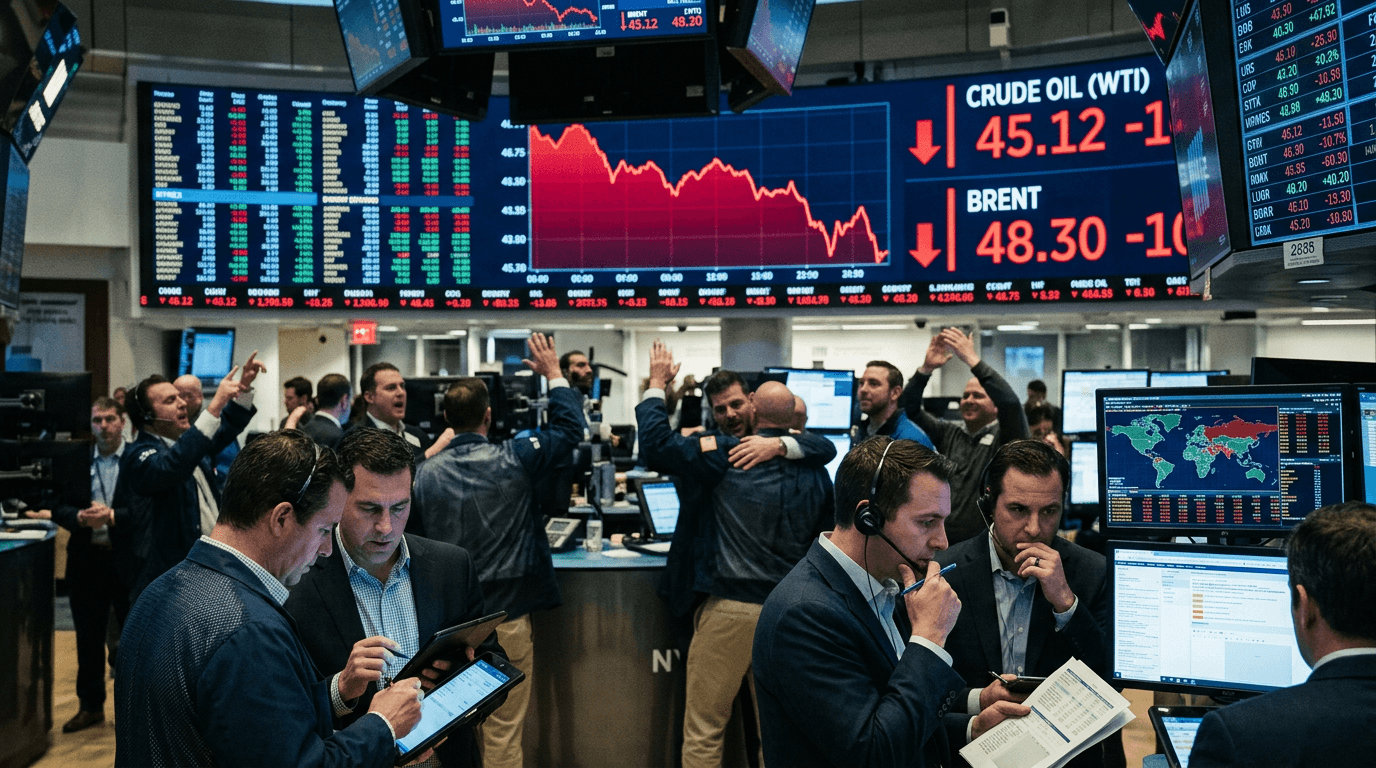
The geopolitical dynamics of the Middle East have long been a pivotal force in shaping global energy markets. The recent escalation of tensions between the United States and Iran perfectly illustrates how swiftly oil prices can fluctuate in response to international conflicts. For traders and investors operating in today's unpredictable energy sector, understanding the interplay between geopolitical risk and crude oil valuations is crucial.
Middle East Tensions: A Catalyst for Oil Market Volatility
In late February, the intensification of hostilities between the US and Iran sent shockwaves through global oil markets, resulting in dramatic price surges. The Strait of Hormuz, a vital artery through which about 20 percent of the world's oil supply flows, became a focal point of market anxiety. As military operations escalated and the threat of supply disruptions loomed large, traders began to factor in a risk premium reflecting potential damage to energy infrastructure and supply bottlenecks.
Throughout the escalation, oil prices surged significantly as investors braced for worst-case scenarios. Prices remained elevated for over a month, reflecting the gravity of the situation and the uncertainty gripping global markets. This period saw crude prices far exceed their pre-conflict levels of $65 to $75 per barrel, underscoring how swiftly risk perception can reshape commodity valuations amid threats to global energy chokepoints.
Market Reactions to Ceasefire Announcements
The announcement of a temporary ceasefire between the US and Iran triggered a swift market response. Oil futures plummeted nearly 15 percent, settling around $95 per barrel, as investor sentiment shifted from catastrophic escalation to cautious optimism. This rapid reversal highlights how quickly market consensus can adapt when geopolitical risks recede.
The initial euphoria surrounding the ceasefire extended beyond energy markets. Global stock markets rallied, with Wall Street's major indexes gaining over 2.5 percent and European indices posting even stronger gains. As investors shifted from safe-haven assets to riskier investments, the dollar weakened. This broad-based market relief underscores the intricate links between energy markets and global equity and currency valuations.
Fragility and Ongoing Risk Premiums
Despite the initial optimism, analysts remained wary of the ceasefire's durability. The two-week truce represented a negotiating window rather than a permanent solution, with both parties warning that hostilities could resume if negotiations faltered. As a result, crude prices, while lower than their peak, remained well above pre-conflict levels.
Analysts estimated that approximately $50 per barrel of risk premium was still embedded in oil prices due to the agreement's fragility. Market strategists noted that while markets were pricing in the possibility of successful negotiations, they were not considering a permanent peace. As John Plassard of Cite Gestion observed, the key question was whether this window would lead to a lasting resolution or merely delay the energy crisis. This cautious approach meant that any negative headlines could swiftly reverse recent price declines.
Implications for Energy Consumers and Traders
The ceasefire announcement brought some relief at the pump, though experts cautioned that price declines would be gradual. The national average for regular gasoline hit $4.16 per gallon, nearly 40 percent higher than pre-conflict levels. Petroleum experts predicted modest price drops, likely only a few cents per gallon initially.
For traders and investors, a key takeaway from this episode is that oil market volatility remains closely tied to geopolitical developments in the Middle East. The reopening of the Strait of Hormuz was crucial for determining the persistence of price declines. Despite Iran's consent to reopen the waterway, only two vessels initially passed through, reflecting ongoing caution among shipping companies. Approximately 800 ships had been trapped in the Gulf, and their return to normal shipping patterns would be gradual.
Looking Ahead: Navigating Energy Market Uncertainty
Energy analysts generally agreed that stabilizing oil prices would require more than a temporary ceasefire. The International Air Transport Association suggested that jet fuel supplies and pricing would take months to stabilize, even with the ceasefire in place. Oil producers faced significant uncertainty over whether current price levels could be sustained if negotiations failed.
For those monitoring energy markets, the lesson is clear: while geopolitical risk premiums can vanish as quickly as they appear, structural factors like infrastructure damage and shipping concerns can keep prices elevated long after the initial crisis subsides. Understanding the distinction between headline risk and fundamental market drivers is essential for navigating the volatility of the energy sector.