
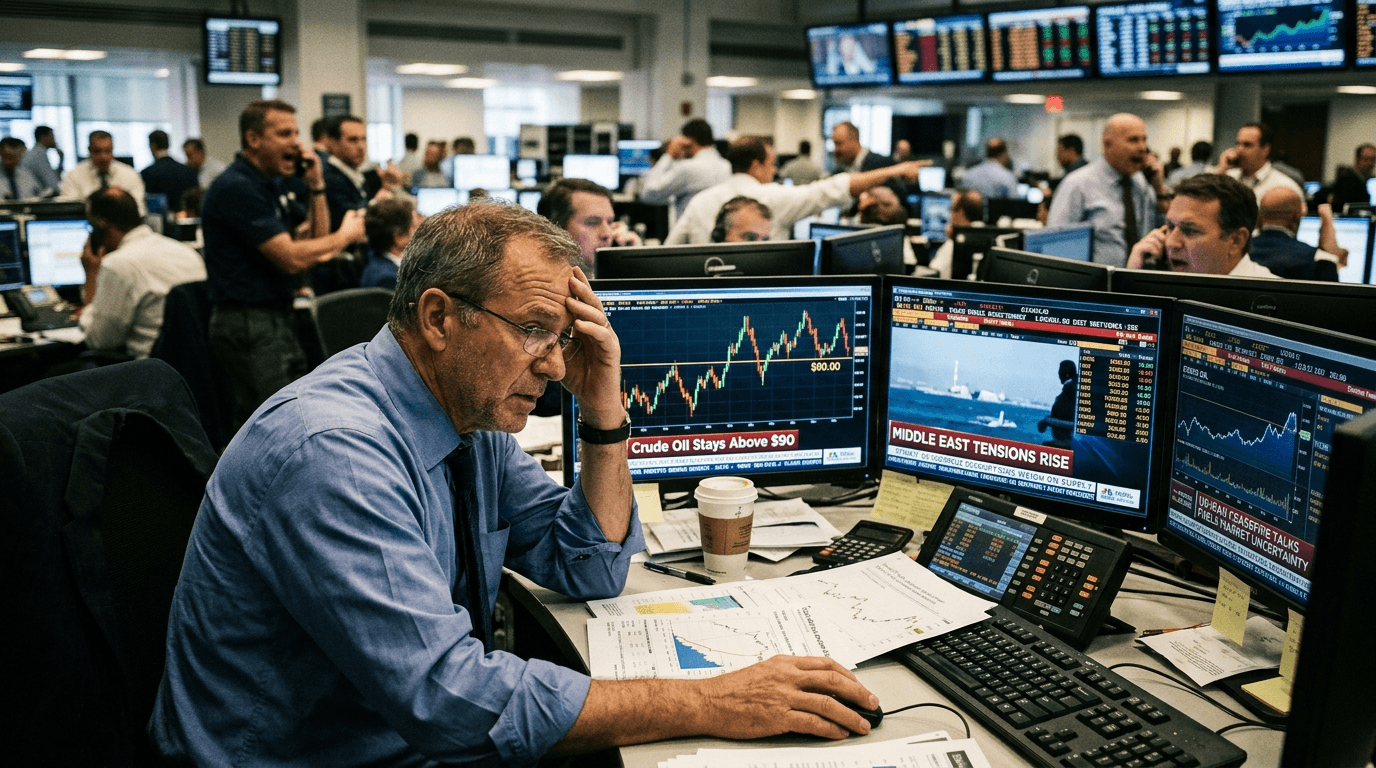
Navigating the Turbulent Waters of the Oil Market: US-Iran Tensions Keep Crude Prices Elevated
In the intricate web of global energy markets, volatility reigns supreme as crude oil prices hover at elevated levels, largely influenced by the ongoing tensions between the United States and Iran. While initial reports of a US ceasefire proposal offered a glimmer of hope, the persistent instability in the Middle East continues to exert upward pressure on crude prices. For traders and investors, comprehending the forces driving these price movements is crucial to navigating what is arguably one of the most geopolitically sensitive energy environments in modern history.
Geopolitical Pressures: The Unyielding Force Behind High Oil Prices
The Middle East conflict has triggered what the International Energy Agency calls the most significant oil supply disruption in history. With oil shipments through the Strait of Hormuz—a vital artery for around 20% of the world's crude and liquefied natural gas—severely curtailed due to hostilities, the vulnerability of this chokepoint translates to sustained global energy price hikes. Despite the US unveiling a 15-point ceasefire proposal, the underlying supply disruption remains the primary factor keeping oil prices above the $90 threshold. Analysts contend that without resolving the threats to the Strait, oil prices are unlikely to dip significantly below this mark in the foreseeable future.
The US Ceasefire Proposal: A Flicker of Hope Amidst Market Jitters
President Trump's administration has extended a comprehensive 15-point plan to Iran, aiming to resolve the conflict with a proposed one-month ceasefire for settlement discussions. The proposal demands Iran dismantle its nuclear capabilities, commit to never pursuing nuclear arms, and ensure the Strait remains an open maritime corridor. In return, Iran would benefit from the lifting of sanctions and US support for a civilian nuclear program. Initially, markets responded positively, with crude prices dipping 4-5% as investors anticipated reduced supply disruptions. However, the optimism was short-lived; Iran swiftly dismissed the proposal, claiming no direct negotiations were occurring, thereby rejecting the framework before any substantive talks could commence.
Deciphering Market Volatility: The Dance of Geopolitical Headlines and Oil Prices
The oil market's reaction to these developments underscores the intense sensitivity of energy prices to geopolitical news. As noted by an analyst at Marex, commodity prices fluctuate wildly, driven more by headlines than by fundamental supply and demand dynamics. Traders must juggle multiple scenarios—successful ceasefire negotiations, continued stalemate, escalation of hostilities, or gradual progress toward resolution. This uncertainty fosters a volatile market where oil prices shift dramatically with each new development, complicating risk management for traders and financial participants alike. Until genuine progress is made toward peace or the conflict's indefinite continuation becomes evident, volatility is expected to persist, with markets seeking a new equilibrium.
Iran's Stance and Potential Pathways Forward
Although Iran has rebuffed initial US overtures, it has outlined its own conditions for resolving the conflict, including guarantees against future US and Israeli attacks, reparations for war damages, and recognition of its control over the Strait of Hormuz. While these positions appear distant, diplomatic channels reportedly remain open. Notably, Iran has agreed to partially reopen the Strait to vessels unaffiliated with Israel or the US, possibly signaling a willingness to negotiate on the supply disruption issue—an essential driver of high oil prices.
Key Indicators for Investors
The future trajectory of oil prices hinges on whether genuine negotiations can advance beyond the current impasse. BlackRock's Larry Fink warns that if Iran continues to threaten Hormuz traffic, the world may face prolonged periods of $100-$150 per barrel oil, potentially inducing a global recession. Conversely, successful ceasefire implementation and the resumption of normal shipping through Hormuz could ease crude prices significantly. Investors should keep a keen eye on official statements, reports of direct talks, developments regarding maritime corridors, and any attacks on regional infrastructure. With supply constraints setting a $90-plus price floor, the ceiling depends on escalation risks and the efficacy of diplomatic efforts.
In summary, the oil market's current stance reflects a rational pricing of profound uncertainty, carrying trillion-dollar implications for the global economy. For those exposed to energy markets, patience and vigilance remain indispensable during this historically volatile period.
News Impact Score: 8