
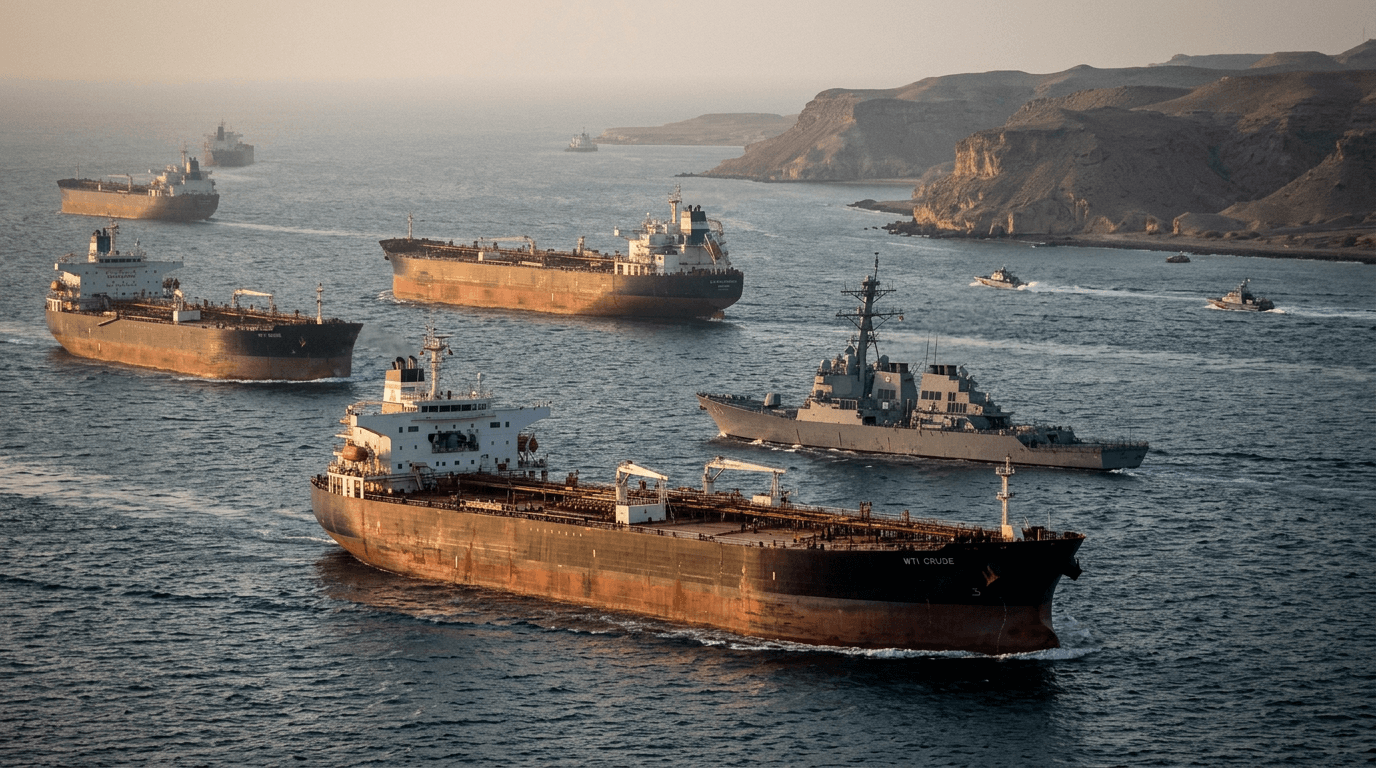
Crude oil prices experienced a sharp uptick over the past week due to mounting tensions in the Strait of Hormuz and the breakdown of US-Iran peace talks, causing a ripple effect through global energy markets. West Texas Intermediate crude surged over 7%, reaching $90 per barrel, while Brent crude rose nearly 6%, trading around $95-96 per barrel. This significant rebound comes after previous price declines linked to diplomatic optimism, underscoring deep concerns about potential supply disruptions at one of the world's most vital chokepoints, where about 20% of global crude oil is transported daily.
The dramatic price adjustment was sparked by the US Navy's seizure of an Iranian-flagged cargo vessel near the Strait of Hormuz, reigniting geopolitical tensions that had temporarily eased during peace discussions. Iran's military leadership responded with threats of retaliation, and Tehran reinstated its effective closure of the strategic waterway, raising fears of prolonged supply shortages. The timing was particularly precarious as a US-Iran ceasefire agreement was due to expire, with negotiations increasingly appearing fragile. President Trump had extended the ceasefire to allow more time for diplomatic efforts in Islamabad, yet the deteriorating situation casts serious doubt on the success of peace initiatives.
The Geopolitical Powder Keg
To grasp the current crisis, it's essential to understand why the Strait of Hormuz holds such importance for global energy markets. This narrow passage connecting the Persian Gulf to the Gulf of Oman is a critical vulnerability in the world’s energy infrastructure. Nearly a fifth of the world's oil supply passes through these waters daily, making it crucial for meeting international demand. Any prolonged disruption threatens widespread economic consequences for oil-importing nations and drives significant price volatility.
The recent seizure of the Iranian vessel has intensified matters beyond typical diplomatic disputes. Iran's Islamic Revolutionary Guard Corps also intercepted two commercial vessels, accusing them of violating passage regulations and attempting covert transit. These vessels were moved to Iranian territorial waters for inspection, indicating Tehran's readiness to actively obstruct shipping despite ceasefire agreements. Such actions illustrate how quickly tensions can escalate when both sides perceive threats to their interests. The primary issue driving current tensions stems from the US blockade of Iranian ports, which Iran considers unjust and a major obstacle in ongoing negotiations.
Market Volatility And Oil Price Mechanics
The oil market's reaction highlights how sensitive energy prices have become to Middle East geopolitical developments. The 7% increase in WTI represents a significant shift with broader economic implications. Traders have been closely monitoring vessel movements through Hormuz as a real-time indicator of potential supply constraints. On Saturday, data indicated more than 20 vessels successfully transited the strait, marking the busiest day since March 1st and suggesting that despite tensions, some traffic continues. However, this optimism was short-lived as renewed escalations dampened the outlook.
The price volatility mirrors fundamental uncertainty about whether disruptions will be temporary or prolonged. Market participants need long-term certainty regarding safe passage through Hormuz before adjusting price expectations downward. According to ADNOC leadership, nearly 600 million barrels have already been blocked over the past 50 days due to this conflict. Each day of uncertainty adds to the supply overhang, and the cumulative effect significantly impacts global energy availability.
Inflation Concerns And Macroeconomic Ripple Effects
Rising oil prices pose significant challenges for central banks and policymakers, already concerned about inflation dynamics. Energy prices are a key input for transportation, manufacturing, and production across all economic sectors. When crude prices spike, these costs ripple through supply chains, eventually impacting consumers at the pump and in utility bills. This is why oil price shocks have historically been linked to stagflation periods, combining economic slowdown with rising inflation.
The current scenario has already started affecting broader commodity markets. European natural gas prices surged nearly 18% to highs above 51 euros per megawatt-hour following the collapse of peace talks. Approximately 20% of global LNG supply has been disrupted, with exports through Hormuz halted for over a month. These energy pressures lower expectations for Federal Reserve rate cuts, as central banks must balance inflation concerns with growth considerations. For forex traders and equity investors, this dynamic creates a challenging environment where traditional correlations may shift.
Key Takeaways For Traders And Investors
Several key factors warrant close attention in the coming weeks. First, any further escalation in military activities or supply disruptions could trigger additional oil price spikes, potentially breaching $100 per barrel. Second, diplomatic developments from Pakistani-hosted negotiations will be critical indicators of whether meaningful progress towards peace is achievable. Third, observe actual vessel transit data through Hormuz, as this real-time indicator will show whether theoretical blockades translate into operational constraints.
The current market environment rewards staying informed about geopolitical developments and understanding how they affect energy markets and broader financial instruments. While oil price volatility presents challenges, it also offers trading opportunities for those positioned appropriately. The key is distinguishing between temporary political posturing and genuine supply constraints that will persist.