
Global Oil Markets Under Pressure
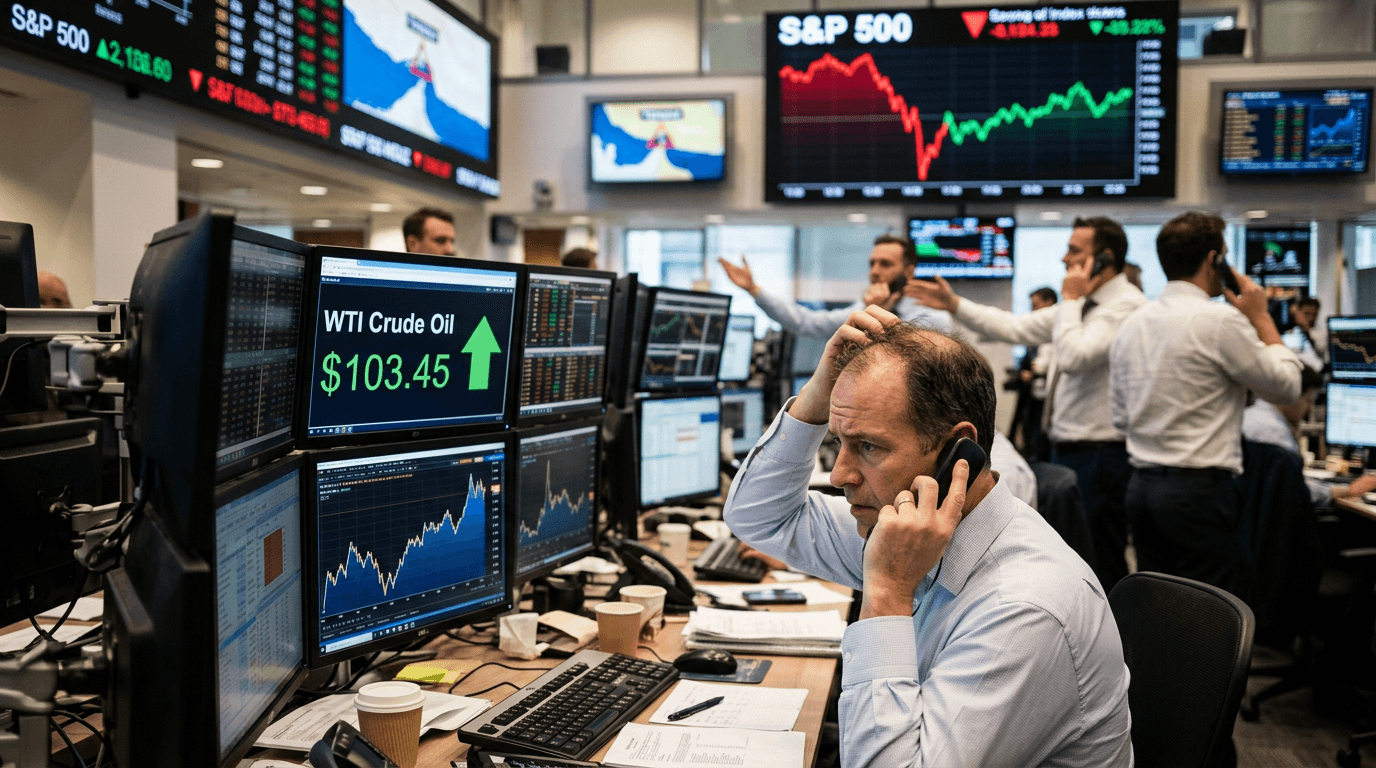
Recent developments in the US-Iran conflict have sent global oil markets into a state of unprecedented volatility. West Texas Intermediate (WTI) crude has surged 7% to $103.48 per barrel, while Brent crude has climbed to $101.75, marking a significant rise in energy costs. This dramatic increase is reverberating through financial markets and could potentially reignite inflationary pressures across the globe.
The key driver behind these price surges is the US naval blockade of the Strait of Hormuz—a vital passage that facilitates around 20% of the world's oil supply and liquefied natural gas. This blockade follows unsuccessful peace talks between US and Iranian officials, highlighting the precariousness of the current ceasefire. The escalation from the initial Iran-Israel conflict in February has traders bracing for possible further military actions.
The rapid response of the energy markets has been striking. Since the conflict began, oil prices have jumped over 40%, with many analysts predicting further increases if the situation worsens. Brent crude briefly touched $104 before stabilizing, while WTI futures saw gains of over 9% in a single day. This isn't just a temporary spike—it signals a fundamental shift in global energy security, affecting every aspect of the financial system.
Geopolitical Shock Meets Market Reality
The stock markets have not been immune to this energy shockwave. The S&P 500 experienced a steep drop at the opening of Monday's session but managed to recover by midday, reflecting the complex interplay between energy concerns and other market forces. This volatility is expected to continue as investors weigh the impact of rising oil prices against the perceived safety of energy stocks and defensive sectors.
The market's mixed reaction underscores the prevailing uncertainty. A two-week ceasefire, announced by President Trump on April 7, was contingent on Iran reopening the Strait of Hormuz. Vice President JD Vance's peace talks in Pakistan provided temporary relief, but the lack of a resolution sent oil prices soaring once more. This cycle of hope and disappointment is likely to persist, creating a challenging environment for traders and complicating portfolio management.
The Unusual Wti-brent Spread
A particularly telling indicator of market stress is the unusual premium of WTI over Brent crude. Normally, Brent commands a higher price due to global supply dynamics. The current reversal suggests a surge in foreign demand for US crude as an alternative to Arabian Gulf oil. This development reflects a strategic shift, with the US positioning itself as a key energy supplier. However, this strategy depends on the ability to increase production and ensure secure delivery.
Traders paying a premium for US crude indicate genuine global supply concerns. The US's role as an alternative supplier is crucial, but only sustainable if logistical and production challenges are addressed.
Implications For Inflation And Interest Rates
The economic ramifications of sustained high oil prices are significant. Goldman Sachs warns that if the conflict persists and the Strait of Hormuz remains blocked, US gasoline prices could rise to $3.50 per gallon, presenting a long-term inflation issue rather than a temporary spike. This scenario complicates the Federal Reserve's monetary policy, potentially derailing expectations for imminent rate cuts.
The timing of this energy crisis coincides with the start of earnings season, intensifying the challenges for companies. They must navigate rising energy costs, supply chain disruptions, and shifting consumer demand. The combination of geopolitical uncertainty and earnings volatility creates a complex landscape for investors assessing corporate America's resilience.
What Traders Need To Watch
Investors should closely monitor whether oil prices remain above $100 or if peace negotiations might push them back toward $80-85. A dip below $100 would hint at optimism for a resolution, whereas a rise above $110 would fuel fears of further escalation. The Strait of Hormuz remains a focal point—any additional disruptions could propel crude prices to $120 or beyond.
Earnings reports this week will shed light on how businesses are coping with energy cost pressures. Key areas to watch include management's energy hedging strategies, their ability to maintain pricing power, and the elasticity of demand among their customers.