
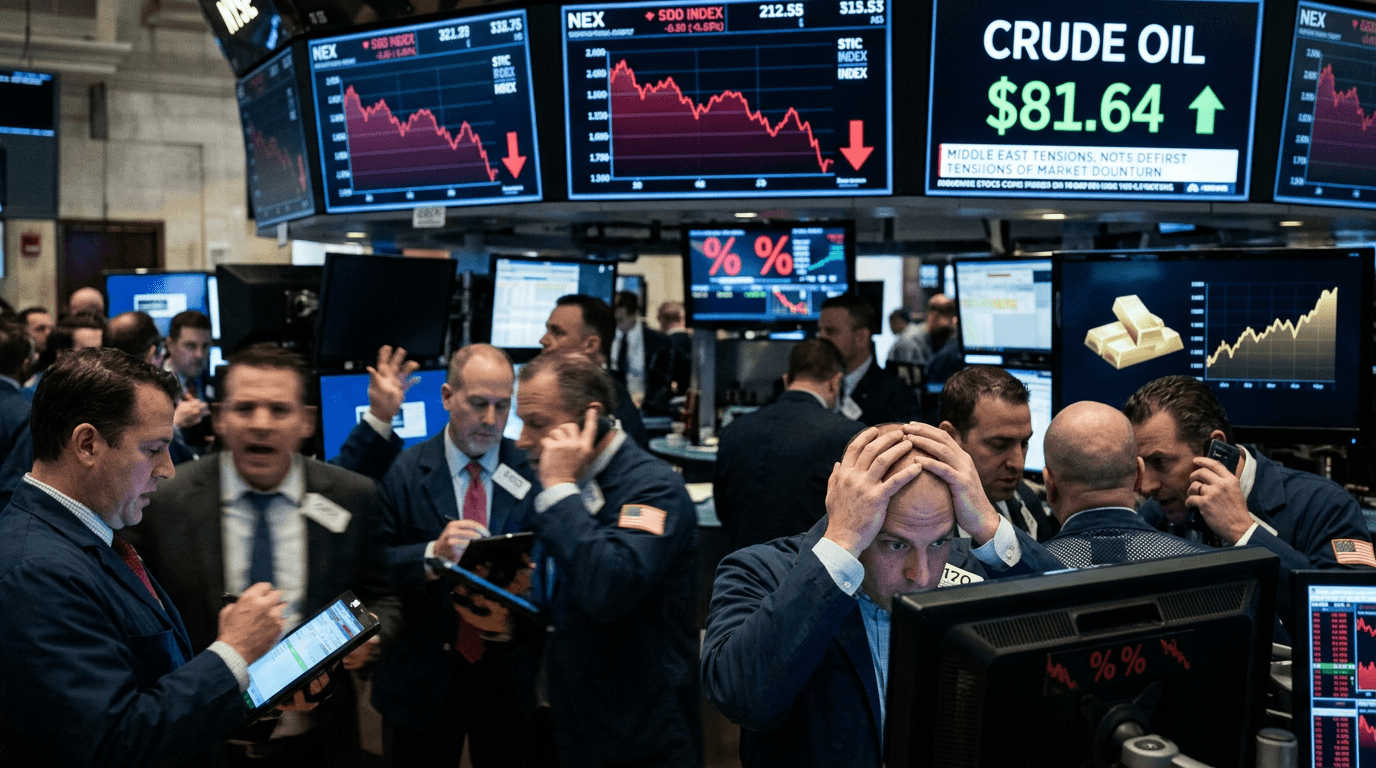
The U.S. stock market faced significant headwinds Thursday as escalating tensions in the Middle East sent oil prices surging nearly 9 percent, reawakening investor fears of stagflation and forcing a reassessment of profit margins across the economy. West Texas Intermediate crude climbed to $81.64 per barrel while Brent crude reached $85.85, marking levels not seen since summer 2024. Simultaneously, major U.S. stock indexes retreated roughly 1 percent as traders grappled with the harsh reality that geopolitical shocks continue to have real teeth in modern financial markets.
The Geopolitical Supply Shock Behind The Numbers
The immediate catalyst behind this volatility is straightforward but consequential: the escalating military conflict between the United States and Iran has created a massive global oil supply disruption. Following threats from President Trump against Iran's energy infrastructure, Iran retaliated by targeting key oil facilities and shipping routes. The situation deteriorated dramatically when Iran closed the Strait of Hormuz, a chokepoint through which roughly 20 percent of the world's daily oil supply normally flows.
Analysts estimate that combined U.S. and Iranian actions have removed approximately 10 to 11 million barrels per day from the global market. When you consider that the world typically trades about 100 million barrels daily, this represents a disruption of historic proportions. Asian refiners are paying unprecedented premiums for alternative supplies, with Norwegian Johan Sverdrup crude trading at an $11.80 premium over Brent as buyers desperately seek alternative sources. This isn't speculative panic; it's a genuine supply crisis with tangible consequences rippling through energy markets and into equity valuations.
The Stagflation Concern That's Gripping Markets
What makes this moment particularly dangerous for equities is the prospect of stagflation, the toxic combination of high inflation and economic stagnation. When energy prices spike this dramatically, they create immediate inflationary pressure that cascades through supply chains and reduces consumer purchasing power. At the same time, businesses face soaring operational costs while consumers pull back spending, creating headwinds for economic growth.
This dual squeeze is precisely what equity investors fear most because it leaves policymakers with few good options. The Federal Reserve faces pressure to keep rates elevated to combat inflation, yet higher rates slow economic growth and compress equity valuations. This tension creates a vicious cycle where multiple compression accelerates even as earnings expectations grow more uncertain.
Safe Havens Rally As Investors Flee Risk
The market's flight to safety has been unmistakable and telling. Gold has surged as investors seek refuge from stagflationary risks, while Treasury bonds have rallied as portfolios shift from equities to perceived safer fixed-income positions. This classic risk-off response reveals how quickly sentiment shifts when geopolitical shocks threaten the foundation of economic growth assumptions.
The implications extend beyond immediate price movements. Lower expectations for Federal Reserve rate cuts suggest financial markets now anticipate more sustained monetary tightness ahead. This creates significant headwinds for equities that rely on lower interest rates for valuation support. When central banks maintain elevated rates to battle inflation, the math becomes increasingly unfavorable for growth-oriented stocks and any assets priced for easier monetary conditions.
Positioning And Portfolio Considerations
In an environment where oil infrastructure disruptions and port closures are tangible rather than speculative, traders must reconsider their positioning. Position sizing becomes critical, as concentrated exposure to economically sensitive sectors presents material downside risk. Those carrying heavy allocations to discretionary consumer stocks, transportation, or industrials without offsetting diversification face significant near-term vulnerability.
Conversely, portfolios that include defensive assets, commodities exposure, and quality bonds are better positioned to weather continued volatility. The lesson here is fundamental: geopolitical risk premiums are no longer peripheral concerns but enduring components of market pricing. The assumption that Middle East tensions remain isolated has been definitively disproven.
What Comes Next
The 9 percent oil rally isn't necessarily the end of this adjustment. With supply remaining constrained and uncertainty persisting, expect continued volatility each time headlines break regarding escalation or negotiation efforts. Strategic reserve releases from government stockpiles might offer temporary relief, but they cannot resolve the underlying geopolitical risks that continue to tighten supplies.
Traders and investors must actively monitor developments, stress-test portfolios for further escalation scenarios, and maintain flexibility in positioning. This environment rewards those who understand that supply shocks have real staying power and those who maintain discipline around risk management when uncertainty reigns.
The interconnectedness of global financial markets means regional conflicts rapidly become worldwide crises with lasting consequences for equity valuations, inflation dynamics, and growth expectations.