
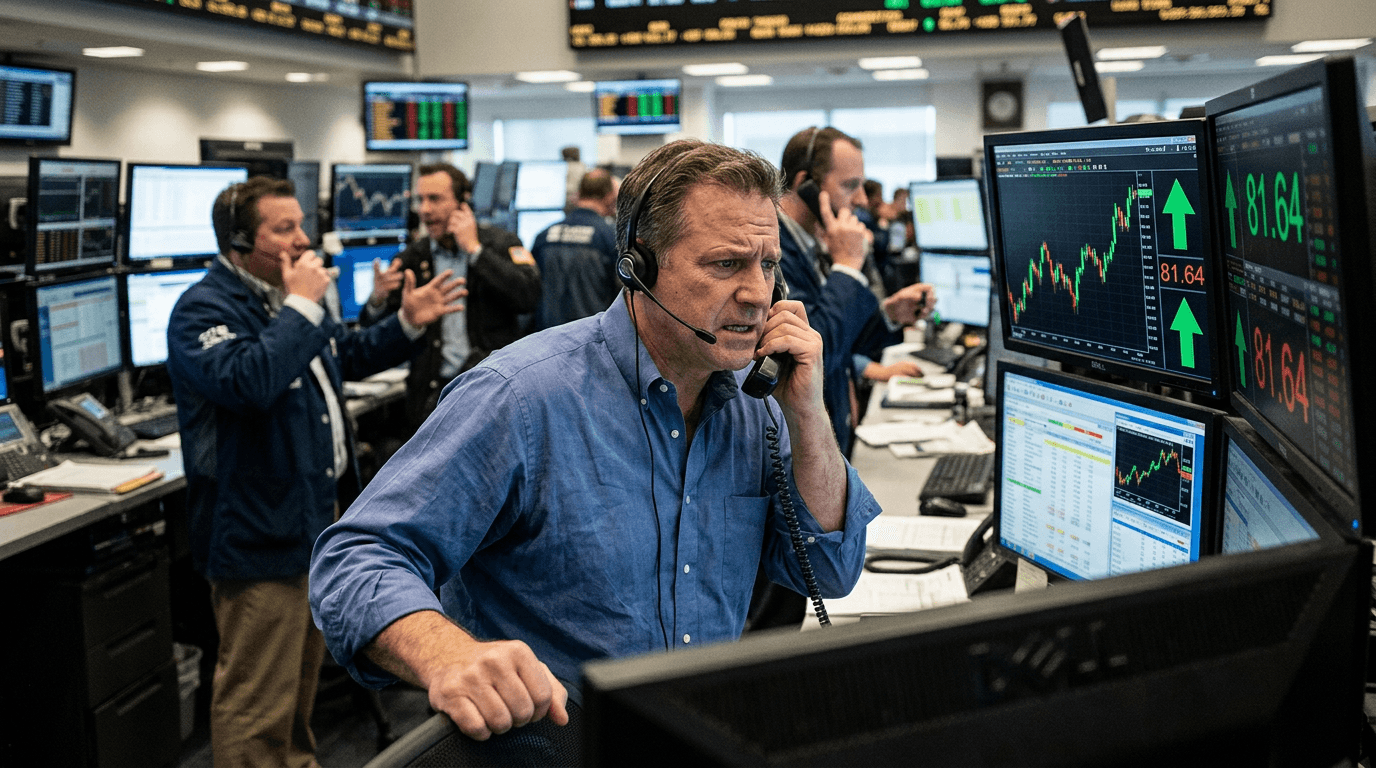
CRUDE OIL MARKET SURGE: A 9% JUMP TO $81.64
Crude oil prices have experienced a sharp 9% increase, with US oil hitting $81.64. This surge highlights the significant influence of escalating geopolitical tensions in the Middle East on the energy markets. For traders operating on SimFi platforms, this volatility underscores the importance of understanding how geopolitical events can drive immediate market movements and price fluctuations.
What's Driving The Oil Price Increase
The primary catalyst for the recent rise in oil prices is the intensifying geopolitical tension in the Middle East, particularly between the US and Iran. The Strait of Hormuz, a critical chokepoint for global oil exports, has become a focal point of these tensions. Military actions by Israel and the US against Iran have led to retaliatory threats, creating an environment of uncertainty that is driving energy prices higher.
The breakdown of US-Iran peace talks, coupled with new sanctions and blockades on Iranian shipping, has exacerbated concerns about potential long-term disruptions to energy exports from the Middle East. President Trump's aggressive rhetoric regarding military escalation has further fueled these concerns, overshadowing earlier hopes for diplomatic progress.
The Strait Of Hormuz: A Crucial Energy Chokepoint
Understanding the geography of the Strait of Hormuz is essential to grasp the impact of a 9% oil price surge. This narrow passageway previously facilitated 20% of the world's oil and LNG exports, making it one of the most critical chokepoints in the global energy market. Any significant disruption—be it military action, naval blockade, or accident—could lead to substantial supply shocks.
Iran's temporary closure of parts of the Strait for naval drills has highlighted the real threat of disruption to global energy flows. Analysts suggest that a major disruption could add 15% to 20% to crude oil prices, with some estimates projecting spikes to $100 per barrel or higher. In the most severe scenarios, where a complete closure removes one-fifth of global oil supply, prices could surge 80%, potentially reaching $108 per barrel.
Currently, an estimated $4 per barrel of "war premium" is factored into crude prices. However, this premium could increase significantly if military confrontations escalate and diplomatic avenues remain closed.
Market Implications For Traders
The 9% rise to $81.64 reflects the market's calculated response to these geopolitical risks and their potential impact on supply. Beyond supply concerns, President Trump's 25% secondary tariffs on nations trading with Iran add further complexity to the pricing landscape, influencing broader market sentiment.
Real-time oil market dynamics offer valuable insights for SimFi traders. Earlier this year, when Israel targeted Iranian oil facilities and Middle Eastern producers announced production cuts linked to Strait stability, West Texas Intermediate crude spiked to nearly $120 per barrel. However, prices later retreated as traders reassessed the sustainability of the risk premium, especially after President Trump indicated a desire to resolve the conflict swiftly.
This cycle of sharp price spikes followed by tactical pullbacks demonstrates how oil markets differentiate between headline risks and actual supply disruptions. It emphasizes the importance of risk management, as even in a bullish oil market, 10-15% pullbacks can occur rapidly.
Key Strategies For Oil Trading
As crude oil prices stabilize around $81 with potential upward movement towards $100+, several strategies should guide traders.
First, understand that geopolitical risks are priced in quickly. Oil markets react to headlines and geopolitical events in real time, creating both risks and opportunities for attentive traders.
Second, keep a close watch on developments in the Strait of Hormuz. Given that 20% of global oil exports pass through this waterway, even rumors of disruption can lead to significant price movements. Price swings of 20-30% are possible if actual supply interruptions occur.
Third, recognize the impact of policy changes. President Trump's tariffs on Iran and his public statements regarding conflict timelines shape expectations about the duration of any supply disruptions. These policy shifts can influence markets as much as changes in physical supply.
Fourth, acknowledge that real-world supply chains often have more resilience than panic-driven headlines suggest. Despite heightened tensions, tanker traffic through the Strait has continued, with nearly 12 million barrels from Iran moving since the conflict escalated, indicating flexibility in supply flows.
Monitoring The Future
The trajectory of oil prices will depend on several key factors. Pay attention to statements from President Trump and his administration regarding military intentions and conflict timelines, as these directly influence risk premium pricing. Track actual shipping data through the Strait to distinguish between real disruptions and theoretical risks. Stay alert for announcements about strategic petroleum reserve releases, which could quickly reverse an oil rally. Finally, monitor OPEC+ production decisions, as Middle Eastern producers have linked output to Strait stability.
The recent 9% increase to $81.64 may only be the beginning of a larger price discovery process as geopolitical uncertainty persists. For SimFi traders, this environment rewards those who understand market fundamentals, actively track news developments, and practice disciplined risk management.