
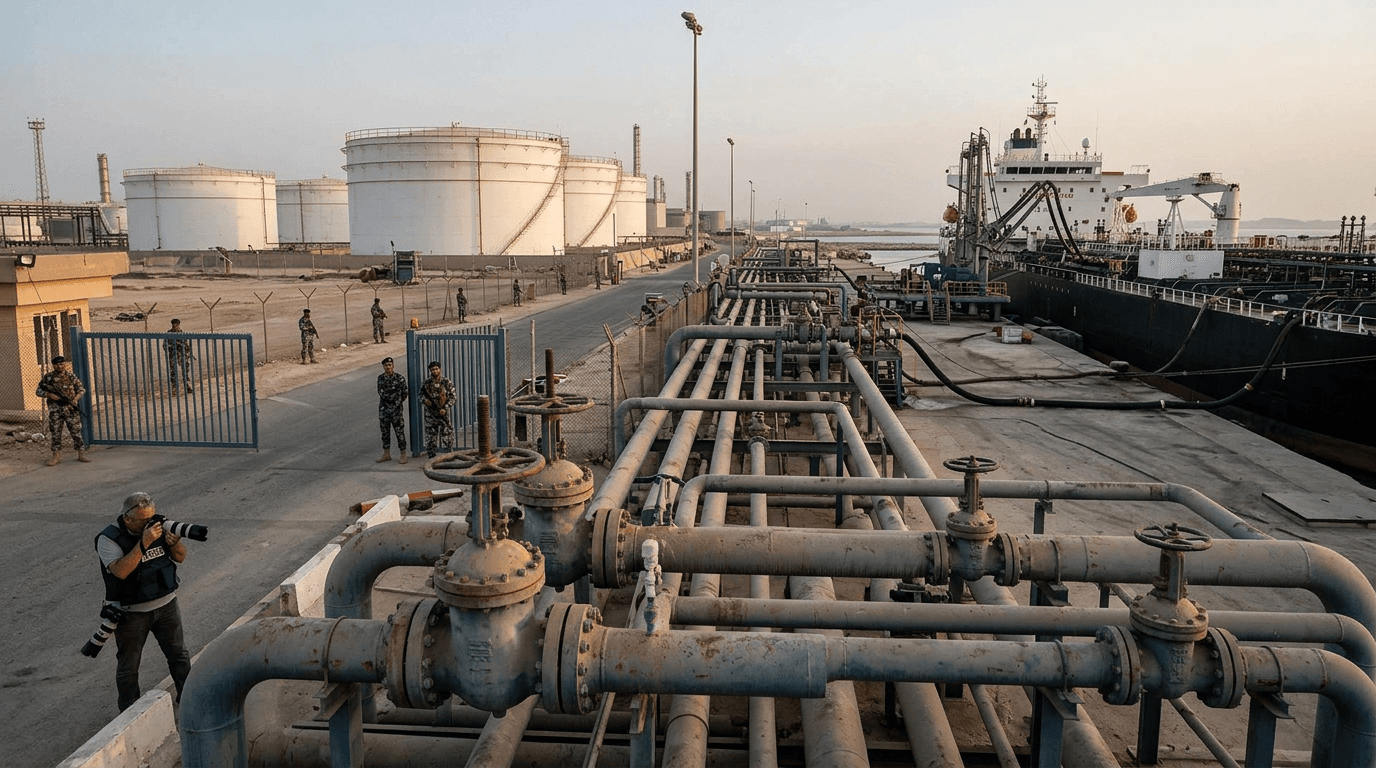
Geopolitical tensions in the Middle East have sent shockwaves through global energy markets, propelling crude oil prices to levels not seen in months and raising concerns that continued conflict could push prices toward the $100-per-barrel threshold. On Monday, March 2, 2026, U.S. benchmark crude surged 9% to $73 per barrel following escalating U.S. and Israeli military operations against Iran, while Brent crude climbed nearly 10% to approach $80 per barrel. For traders and investors watching the energy sector, the question is no longer whether prices will rise, but how high they can climb if geopolitical tensions persist.
Understanding The Current Price Spike
The immediate catalyst for oil's recent surge is clear: military operations have created acute uncertainty about Middle East energy supplies. Crude's 9% single-day jump to $73 demonstrates how quickly markets respond to geopolitical risk. Brent's near-10% climb to $80 signals that international traders are pricing in significant supply disruption concerns. These moves represent substantial volatility in energy markets that impacts everything from transportation costs to manufacturing expenses globally.
What makes this situation particularly significant is the speed at which prices have moved. This isn't a gradual climb based on shifting demand patterns—it's a sharp, fear-driven repricing of energy risk. Traders are betting that current hostilities could disrupt oil supplies from Iran and the broader Middle East region. Attacks on vessels in the Strait of Hormuz, the critical chokepoint connecting Persian Gulf oil producers to global markets, have further amplified these concerns about potential supply constraints.
The Critical Importance Of The Strait Of Hormuz
Understanding why oil markets are so sensitive to Middle East conflict requires recognizing the strategic importance of a narrow waterway: the Strait of Hormuz. Roughly one-fifth of global oil and liquefied natural gas flows pass through this chokepoint annually. As one analyst noted, this isn't an obscure canal—it's the aorta of the global energy system. Any prolonged disruption to shipping through the Strait could have cascading effects across the entire world economy.
Iran itself is a major oil exporter, shipping roughly 1.6 million barrels daily, primarily to China. If Iranian exports become constrained due to military actions or international sanctions, alternative suppliers would need to increase production to fill the gap. However, global spare production capacity is limited, meaning the market has little flexibility to absorb a sudden loss of Iranian barrels. This supply inelasticity is exactly what pushes prices higher during geopolitical crises.
China, as the primary destination for Iranian oil, faces particular pressure. Estimates suggest China maintains strategic petroleum reserves equivalent to roughly 100 days or just over three months of imports—substantial, but not unlimited. A prolonged conflict that sustained reduced Iranian exports could force China to bid aggressively for available supplies from other producers, further elevating global prices.
Cascading Impacts Across The Global Economy
The risk of sustained higher oil prices extends far beyond filling your gas tank. Energy serves as an input to virtually all production processes. Manufacturing, transportation, heating, and countless other economic activities depend on affordable energy. If oil remains elevated above $80 or climbs toward $100 per barrel over an extended period, those costs ripple throughout supply chains worldwide.
A prolonged conflict disrupting Middle East oil flows would have "huge implications for oil and LNG and every market everywhere if it occurs," according to energy analysts. Higher crude translates to increased gasoline prices at the pump, elevated heating oil costs, and rising prices for products that require energy-intensive manufacturing and transportation. For an already-fragile global economy dealing with inflation concerns, additional energy cost pressures could trigger broader inflationary pressures that central banks find difficult to manage.
The connection between crude prices and inflation matters enormously to policymakers. Higher energy costs could force the Federal Reserve and other central banks to maintain elevated interest rates longer than otherwise planned, creating headwinds for equity markets and economic growth.
Implications For Traders And Investors
For SimFi traders, the current oil market environment presents both opportunities and risks. The directional move is clear: geopolitical risk is supporting prices, and investors should monitor whether the conflict escalates or de-escalates. Traders positioning for extended conflict would logically favor energy sector holdings, while those expecting rapid resolution might anticipate profit-taking pressure if tensions ease.
Gold prices have already responded to uncertainty, rising 3.4% to approximately $5,426 per ounce as investors seek safe-haven assets. This classic risk-off behavior suggests market participants genuinely believe downside risks have increased. The U.S. dollar strengthening against the yen and euro reinforces that flight-to-safety dynamic.
For SimFi participants, the current environment underscores why geopolitical awareness matters for trading success. Energy markets don't move in isolation—they signal broader risks that sophisticated traders must understand and monitor.
Staying Positioned For Volatility
The path to $100-per-barrel oil isn't inevitable, but it's increasingly plausible if Middle East hostilities persist. Traders should maintain awareness of developments regarding the conflict, shipping disruptions through the Strait of Hormuz, and any sanctions or export constraints affecting Iranian oil. These developments will determine whether crude consolidates near current levels, climbs higher, or retreats if tensions ease.