
The Geopolitical Catalyst
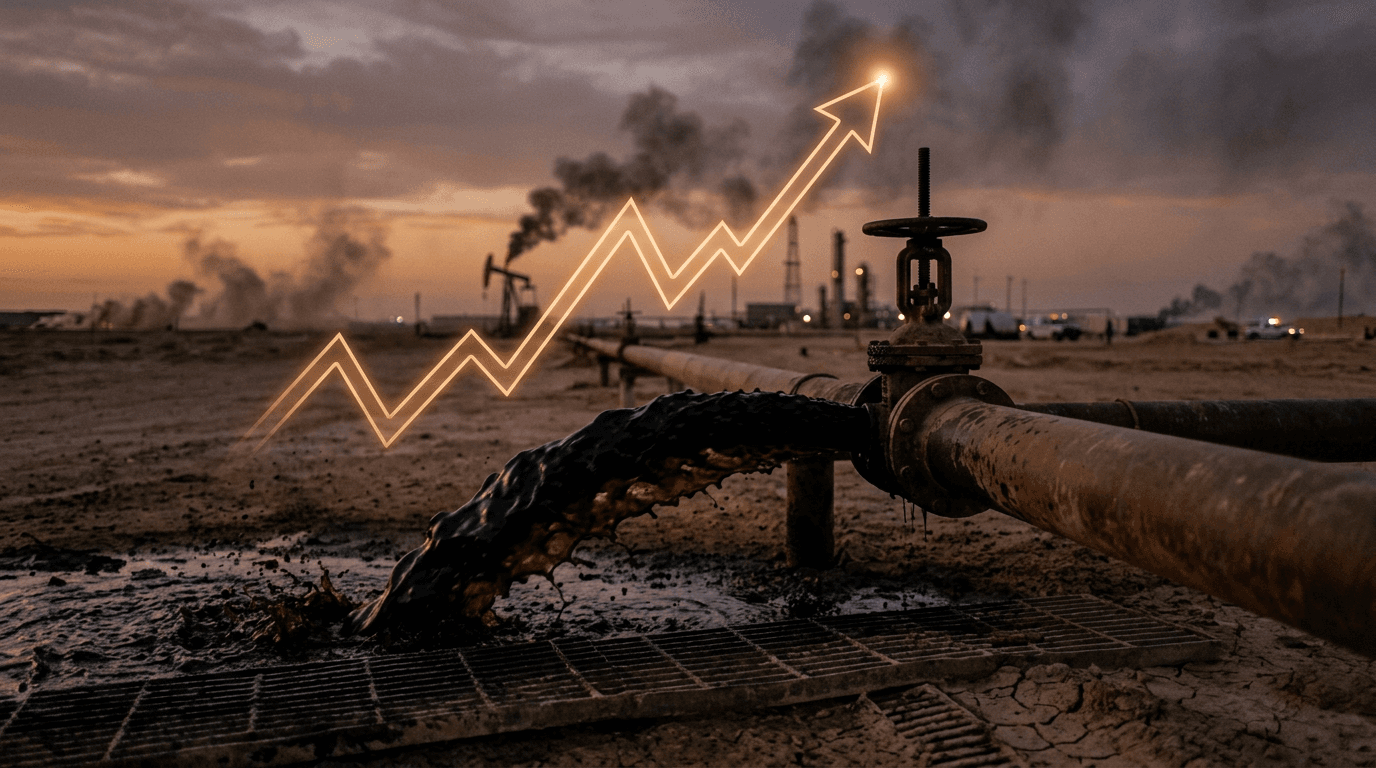
Global oil markets have seen an unprecedented surge, pushing prices to levels not witnessed since mid-2024. The catalyst for this spike is the escalating conflict in the Middle East, particularly the intensifying tensions between the U.S., Israel, and Iran. These tensions have placed vital energy infrastructure and shipping lanes in jeopardy, most notably through Iran's strategic strikes on energy installations and tankers in the Strait of Hormuz and the broader Persian Gulf region. Such actions highlight a readiness to move beyond traditional military engagements and directly threaten the economic arteries of global trade. President Trump's statements on extended U.S. and Israeli military operations only add to the uncertainty, embedding a risk premium into every barrel of oil. Traders are now factoring in potential escalations rather than hoping for immediate diplomatic resolutions.
Supply Disruption Timeline
What began as speculative concerns over supply disruptions has now manifested into tangible realities impacting the market. Iraq, a major OPEC player, has curtailed production by approximately 1.5 million barrels per day due to export route challenges. The crisis has the potential to further strain production if conditions deteriorate. Compounding this issue is the logistical chaos surrounding the Strait of Hormuz. Insurance cancellations are prompting tankers to avoid this crucial passage, thereby inflating shipping costs and prolonging delivery times. The combination of lowered production and extended shipment routes significantly contracts the effective supply available to global markets, with commercial traffic through the Strait of Hormuz notably reduced.
Market Implications for Traders
The current crude market volatility rivals that of April 2020, presenting both opportunities and risks. WTI crude has surged by 21% in just four sessions, with daily fluctuations of 6-8% becoming the norm. This volatility extends across the energy complex: diesel futures have risen by 12%, and gasoline futures have climbed to $2.47 per gallon. Refining margins—or crack spreads—are at their highest since 2023, indicating that downstream energy products are achieving premium valuations. The Brent-WTI price differential has widened to $8 per barrel, a gap not seen since November 2022, underscoring structural supply issues that bolster U.S. crude exports. In this environment, both simulated and real traders need to exercise meticulous position management, adhere to strict stop-loss strategies, and recognize that historical price correlations may not hold during geopolitical upheavals.
Broader Economic Ripple Effects
Beyond the direct impact on crude oil, the current market dynamics are exerting broader economic pressures. Sharp declines in stock markets reflect investor concerns that prolonged high oil prices could stifle global economic growth, deplete consumer spending power, and potentially lead to higher interest rates. The pervasive nature of energy cost concerns is evident as financial markets globally track oil price movements. Natural gas prices are also surging, with significant increases in benchmark Dutch contracts, British gas prices, and LNG prices in Europe and Asia. The ripple effect of rising energy costs across multiple markets heightens inflationary pressures and complicates central bank policy-making, especially as they strive to control inflation without undermining economic growth.
Action Items for Trading
Traders should closely monitor shipping data and insurance costs in the Strait of Hormuz as key indicators for oil price trends. Iraqi production updates are crucial given the country's significant influence on supply dynamics. Announcements related to U.S. military operations are also pivotal, as communications from the Trump administration have directly impacted daily price movements. Considering the inverted yield curve dynamics, where rising oil prices typically challenge growth expectations, bond demand may be supported even amid rising inflation concerns. Diversifying exposure across the energy complex—such as focusing on crack spreads and product differentials—may offer more favorable risk-reward profiles compared to outright crude investments during this volatile period.
In summary, the current oil market scenario represents a convergence of geopolitical risk, supply constraints, and macroeconomic challenges. Traders who navigate this volatility effectively will be those who maintain disciplined risk management while remaining vigilant to both energy-specific metrics and broader market correlations.