
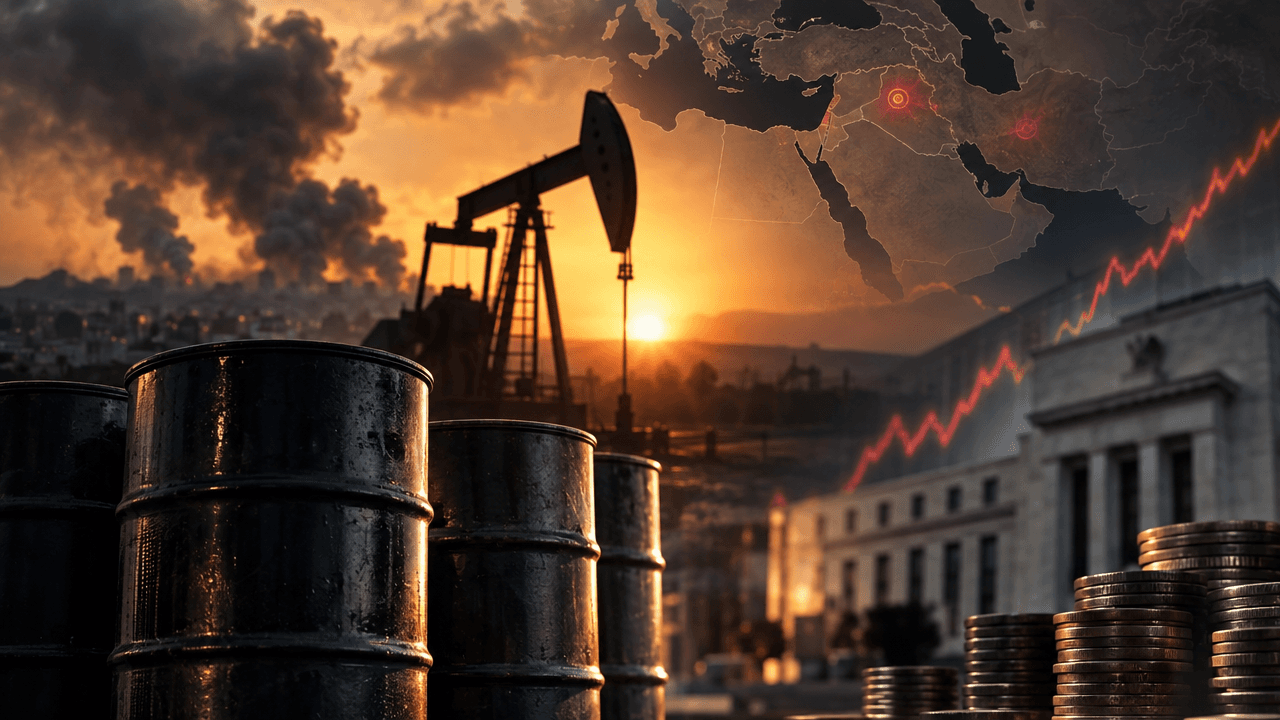
Oil markets are rallying as renewed tensions in West Asia raise the risk of supply disruptions and revive concerns about inflation. Brent crude futures have climbed about 0.4% to $114.35 per barrel, while West Texas Intermediate futures have advanced roughly 0.5% to $100.42. The move reflects more than a routine change in commodity pricing: investors are once again assigning a geopolitical risk premium to energy, while central banks face a more difficult policy environment. [11]
Why Oil Prices Are Rising
The immediate driver is concern that escalating regional tensions could interfere with oil production, transportation, or export infrastructure. Even when physical supply has not yet been significantly reduced, the possibility of disruption can be enough to push futures prices higher.
West Asia remains central to global energy flows, particularly because major producers and critical shipping routes are concentrated in the region. The Strait of Hormuz is especially important. Any threat to tanker traffic through the waterway can increase insurance and transportation costs, delay deliveries, and encourage buyers to compete for available barrels.
Recent data shows how quickly markets can respond to these risks. The Energy Information Administration reported that Brent spot prices averaged $114 per barrel in September, $23 higher than in August, following attacks on infrastructure and tankers in the region. It also warned that constrained export routes and elevated shipping risks could keep prices volatile until physical oil flows normalize. [7]
The result is a market that reacts not only to current production figures but also to headlines, military developments, shipping activity, and diplomatic signals. Traders must therefore distinguish between a temporary risk premium and a lasting supply shortage.
The Inflation Channel
Higher oil prices affect the economy through several stages. The most visible impact is at the gasoline pump, where crude oil is a major input. But energy costs also influence freight, air travel, manufacturing, agriculture, and the production of many everyday goods.
A sustained rise in crude prices can therefore broaden inflation beyond fuel. Transportation companies may pass higher diesel costs to customers. Manufacturers may face rising expenses for energy-intensive processes. Retailers may pay more to move inventory. These effects can appear gradually, which means the full economic impact may arrive after the initial oil rally.
The distinction between a short-lived spike and a persistent increase is critical. A temporary jump may lift headline inflation for a few months before fading from annual comparisons. A prolonged period above $100 per barrel, however, can influence wage demands, business pricing decisions, and consumer expectations.
The European Central Bank has noted that geopolitical shocks involving global energy supply disruptions can drive oil prices higher, fuel inflation, and amplify the contractionary effect on economic growth. In other words, an energy shock can create a difficult combination: weaker activity alongside stronger price pressures. [2]
Why Central Banks Face A Dilemma
Central banks typically respond to demand-driven inflation by raising interest rates or keeping them elevated. Oil-driven inflation is more complicated because monetary policy cannot directly produce additional crude oil or reopen a disrupted shipping route.
If policymakers look through a temporary energy spike, they risk allowing higher inflation expectations to become embedded. If they respond too aggressively, they may weaken economic growth in an economy already being squeezed by expensive energy.
This tension can make interest-rate decisions more cautious and market-sensitive. Investors may begin pricing in a “higher for longer” policy outlook, particularly if oil prices rise alongside other inflation indicators. Rate-sensitive assets such as technology stocks, housing-related companies, and highly leveraged businesses can come under pressure as bond yields and borrowing costs adjust.
At the same time, a central bank that focuses heavily on energy-related inflation may face a growth problem. Consumers with larger fuel and heating bills have less money available for discretionary spending, while companies may delay investment because operating costs are becoming less predictable.
What Traders Should Watch
The first priority is physical supply. Traders should monitor production outages, refinery operations, tanker movements, export terminals, and developments involving major transit routes. Futures prices can rise sharply on anticipated shortages, but they can also retreat quickly if supply continues moving normally.
The second priority is inventory data. Falling commercial inventories can reinforce a bullish interpretation of geopolitical news, while unexpected stock builds may limit the rally. Inventory levels help determine whether headline risk is being confirmed by tightening physical fundamentals.
The third priority is the forward curve. If near-term contracts trade at a premium to later deliveries, the market may be signaling immediate scarcity. If later contracts remain relatively firm, traders may believe the disruption could last longer than initially expected.
Finally, monitor inflation expectations, bond yields, currency movements, and central-bank communication. Oil does not trade in isolation. A stronger dollar can weigh on dollar-denominated commodities, while rising yields can alter investor appetite for risk across markets.
Practical Takeaways
For SimFi traders, the current environment is a useful lesson in scenario planning. Avoid treating every geopolitical headline as a guaranteed trend. Instead, define what would confirm the bullish case, such as sustained production losses, declining inventories, or continued disruption to shipping.
Risk management is equally important. Oil can move rapidly in both directions when headlines change. Position sizing, predefined stop levels, and awareness of contract volatility are more reliable tools than attempting to predict every diplomatic or military development.
Traders should also consider cross-market relationships. A sustained oil rally may support energy producers while pressuring transportation companies and consumer sectors. It may lift inflation expectations, strengthen rate-sensitive currencies, or weigh on equities if investors fear slower growth.
Conclusion
The latest oil rally reflects a collision between geopolitical risk and macroeconomic sensitivity. Brent near $114 and WTI above $100 show that markets are placing meaningful value on the possibility of prolonged supply disruption, while higher energy costs are making inflation and interest-rate decisions more difficult.
The next phase will depend on whether tensions remain primarily a risk to supply or develop into a measurable reduction in global oil flows. Until that becomes clearer, volatility is likely to remain elevated. The most disciplined approach is to follow the physical data, track the policy response, and manage exposure around scenarios rather than headlines alone.