
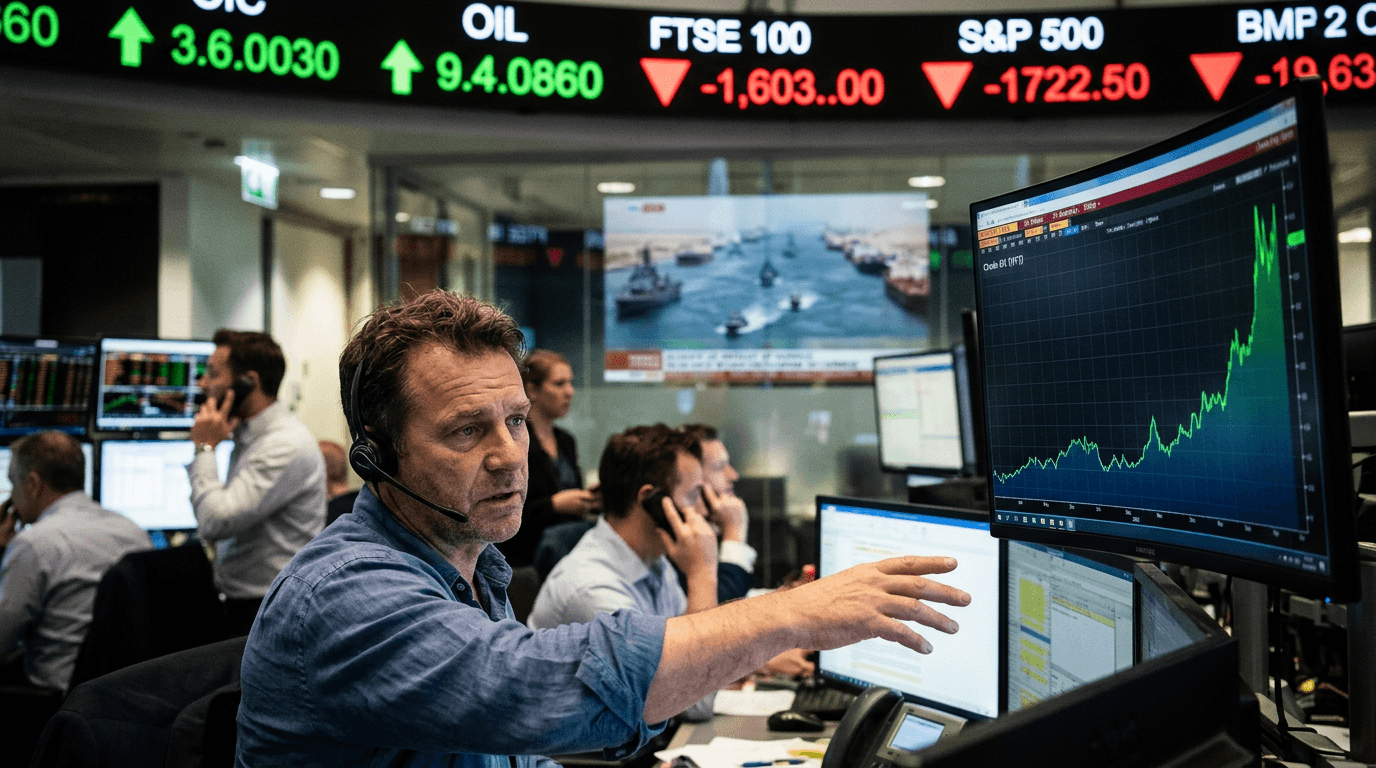
The global oil market is undergoing a dramatic transformation that traders and investors must closely watch. West Texas Intermediate crude has jumped nearly 9% to reach $81.64 per barrel, while Brent crude has risen to $85.85 per barrel—levels not seen since the summer of 2024. This surge isn't driven by speculative trading or algorithmic fluctuations but is instead a direct result of a substantial supply shock. Escalating military tensions between the United States and Iran are at the heart of this upheaval, reshaping energy markets and causing ripples throughout the financial system.
The Geopolitical Catalyst
The surge in oil prices can be traced directly to escalating military tensions in the Middle East. Iranian forces have been targeting vital oil infrastructure and vessels in key shipping lanes, while the U.S. has conducted airstrikes against Iran, now in their second week. This sustained uncertainty is keeping energy markets on edge. Unlike previous oil price spikes driven by speculation, this situation involves real, physical damage to critical infrastructure and key chokepoints.
The most significant development is Iran's effective shutdown of the Strait of Hormuz, a chokepoint that manages about 20% of the world's daily oil supply. This closure is more than just a potential risk; it's a tangible threat. Moreover, Iranian military actions have compromised the country's oil refineries, with facility operators noting their inability to meet existing supply contracts. This exacerbates what is rapidly becoming an intense energy crisis.
The Supply Shock And Market Strain
The disruption caused by these events is immense. Analysts estimate that military actions by the U.S. and Iran have removed approximately 10 to 11 million barrels per day from global markets. Given the global market typically trades around 100 million barrels daily, this represents a disruption of about 10% of the global oil supply—a shock of significant proportions that cannot be easily mitigated by spare capacity or alternative sources.
Physical market stress highlights the severity of the situation. Asian refiners are paying unprecedented premiums for alternative supplies to ensure energy access. Norwegian Johan Sverdrup crude, a key light sweet crude source for Asian markets, is trading at a record premium of $11.80 per barrel over Brent. This premium clearly indicates the desperation of buyers to secure available supply, reflecting the genuine scarcity dynamics at play in global energy markets.
Inflation And Broader Economic Implications
Increased energy costs are one of the swiftest ways inflation can spread into broader consumer prices, and this process is already evident across the U.S. economy. Average gasoline prices have spiked to $3.25 per gallon, marking a 9% increase from $2.98 just a week earlier. More worryingly, prices rose to $3.58 per gallon by mid-March—a 60-cent increase in just one month—with some areas witnessing prices exceeding $4 per gallon, levels not seen since August 2022.
This rapid rise in energy prices threatens to reignite inflation concerns that had been gradually subsiding, potentially compelling central banks to maintain restrictive monetary policies for longer than expected. The stagflation narrative—combining economic stagnation with persistent inflation—is becoming increasingly difficult for policymakers and market participants to ignore.
Government Interventions And Market Response
Governments are actively working to stabilize energy markets through strategic interventions. The International Energy Agency announced its member countries would release a record 400 million barrels of oil from strategic reserves, with the United States contributing 172 million barrels from its Strategic Petroleum Reserve over four months. This coordinated release is an extraordinary policy response aimed at offsetting supply disruptions and moderating price increases.
However, these interventions have inherent timing challenges. Strategic petroleum reserve releases unfold over months, while geopolitical tensions can change rapidly. The effectiveness of these measures ultimately hinges on the duration of the military conflict. If oil prices approach $100 per barrel and sustain that level, analysts warn the global economy could struggle to cope with the impact.
Critical Takeaways For Traders And Investors
Several crucial insights emerge from this volatile market environment. First, genuine supply disruptions—not mere speculation—are driving current oil dynamics, lending credibility to the sustained increase in energy costs. Second, the inflation implications challenge recent narratives about economic softness and supportive monetary policy. Third, equity market weaknesses reflect legitimate stagflation concerns rather than temporary volatility. Lastly, government interventions through strategic reserve releases offer meaningful support but cannot resolve the underlying geopolitical risks that remain the primary price driver.
Traders must closely monitor three key indicators: developments in US-Iran military tensions, updates on the status of the Strait of Hormuz, and global gasoline price movements. The trajectory of the oil market will have a significant impact on broader asset class performance in the coming weeks and months, making this geopolitical crisis impossible to ignore for anyone involved in financial markets.