
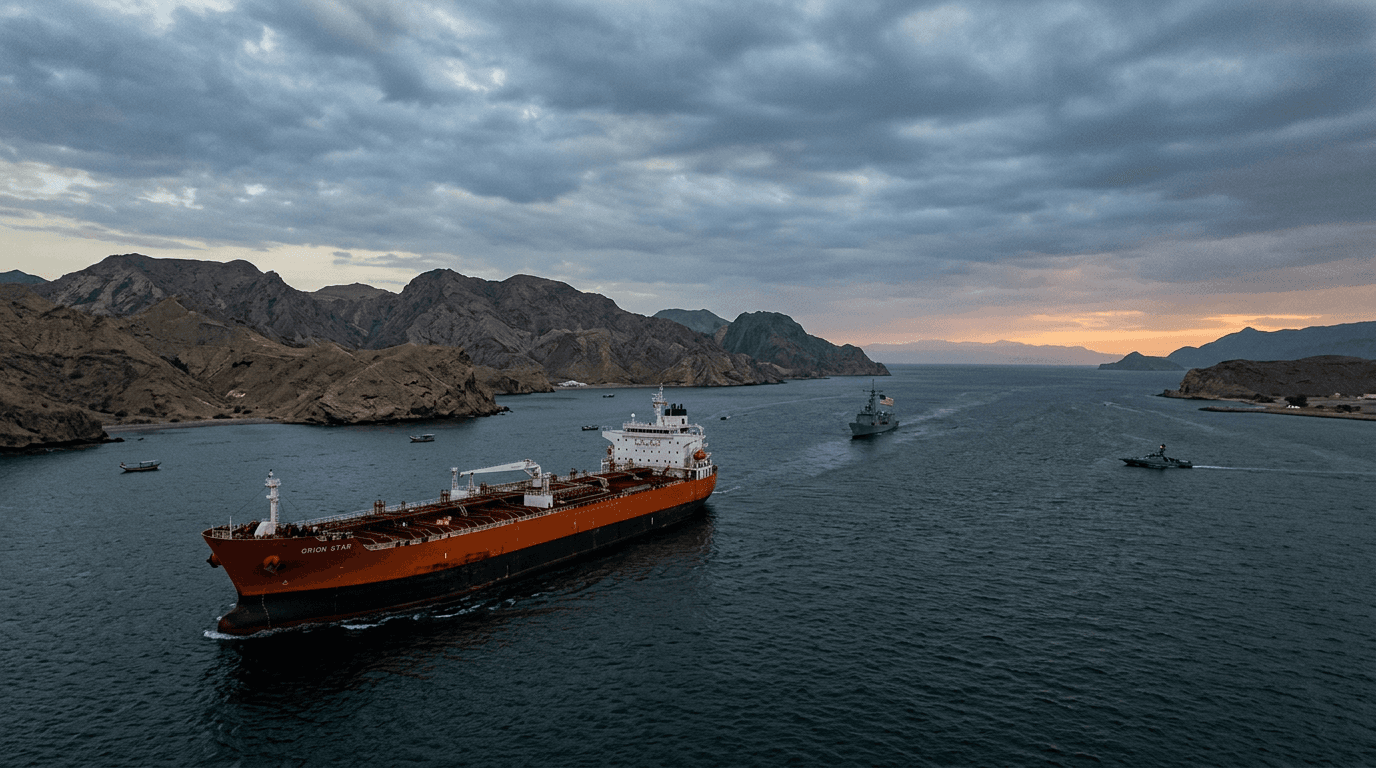
Crude oil prices are caught in a whirlwind of uncertainty as conflicting signals from US-Iran ceasefire discussions keep markets on constant alert. Trading above $90 per barrel, oil's volatility remains high, with geopolitical developments capable of causing dramatic swings of 4-5% in a single session. Central to this volatility is the Strait of Hormuz—a vital artery for global crude oil and liquefied natural gas shipments. Any disruption in this strategic chokepoint has profound ripple effects across global commodity markets.
The Paradox Of Public Statements And Private Negotiations
The heart of the current market turbulence lies in the contradiction between public declarations and behind-the-scenes discussions concerning US-Iran talks. President Donald Trump has announced apparent advancements in negotiations, hinting that Iran has extended a "very significant prize" related to oil and gas to the US. Such declarations initially spurred a surge in equities and a notable drop in oil prices, with Brent crude tumbling over 4% below $100 per barrel following reports of a 15-point US ceasefire proposal. Conversely, the Iranian government has publicly refuted the existence of any such talks, with Foreign Ministry spokesperson Esmail Baquaei asserting that discussions with Washington have not transpired since the conflict commenced in late February. This disparity creates a trust deficit that traders despise, compelling them to perpetually reassess risk premiums and recalibrate their positions accordingly.
The Strategic Importance Of The Strait Of Hormuz
To grasp the current oil market dynamics, one must understand the critical significance of the Strait of Hormuz in global energy supplies. This narrow passage handles a colossal volume of daily crude oil and liquefied natural gas shipments, rendering it one of the globe's most crucial energy chokepoints. During the recent escalation, Iran temporarily limited vessel traffic through the strait, exerting immediate pressure on oil supplies and driving prices upward. Subsequent reports suggest Iran has permitted some commercial vessels not affiliated with Israel or the US to transit, indicating a partial reopening. This selective traffic allowance perpetuates a climate of uncertainty. A complete blockade would be catastrophic for global oil markets, while any easing provides temporary respite. Traders are effectively incorporating a risk premium for potential future disruptions, explaining why analysts anticipate oil prices are unlikely to fall significantly below $90 per barrel, irrespective of negotiation outcomes.
Defining The Terms Of The Ceasefire Proposal
The 15-point plan reportedly submitted by the Trump administration outlines Washington's vision for resolving the conflict. The proposal demands Iran dismantle its nuclear capabilities, pledge never to pursue nuclear weapons, and maintain the Strait of Hormuz as an open maritime zone. In exchange, Iran would supposedly receive the lifting of all sanctions, removal of threats for new sanctions, and US support in developing a civilian nuclear program for electricity production. However, Iran's armed forces spokesman Ebrahim Zolfaghari swiftly dismissed the proposal, asserting that the Iranian regime would never accept such terms. This rejection suggests that if negotiations are occurring, they remain in nascent stages. From an oil market standpoint, the pivotal question is whether any agreement could genuinely stabilize shipping through the strait or if geopolitical tensions will persist over an extended period.
Implications For Traders
Current price movements reflect authentic uncertainty regarding medium-term supply stability. Oil prices have fluctuated between approximately $88 and $106 per barrel in recent weeks, presenting opportunities for tactical traders but posing challenges for those seeking directional conviction. The volatility has also influenced interest rate expectations and inflation concerns across global markets. Analysts note that while short-term impacts of elevated oil prices on inflation may be contained, the persistent nature of supply disruptions could lead to sustained price floors higher than pre-crisis levels. For traders on SimFi platforms or traditional exchanges, the message is clear: geopolitical risk premiums in energy markets are poised to persist until tangible evidence of conflict resolution or normalization of strait traffic emerges.
Key Developments To Watch
Several developments merit close scrutiny. First, seek confirmations of actual negotiations beyond Trump's optimistic assertions—look for concrete indicators such as talks in neutral countries or the involvement of international mediators. Second, monitor Strait of Hormuz traffic data through ship-tracking services to determine whether partial openings evolve into full openings. Third, track US and Iranian military activity for signs of de-escalation or escalation. Fourth, observe oil storage levels and downstream energy prices like gasoline and heating oil for indications of supply concerns impacting consumers. Lastly, pay close attention to communications from energy traders and logistics companies operating in the region—they often provide insights into real-world supply expectations before official channels do.
The bottom line: Oil markets are pricing in genuine uncertainty, and this uncertainty is unlikely to dissipate until geopolitical signals become clearer and more consistent.