
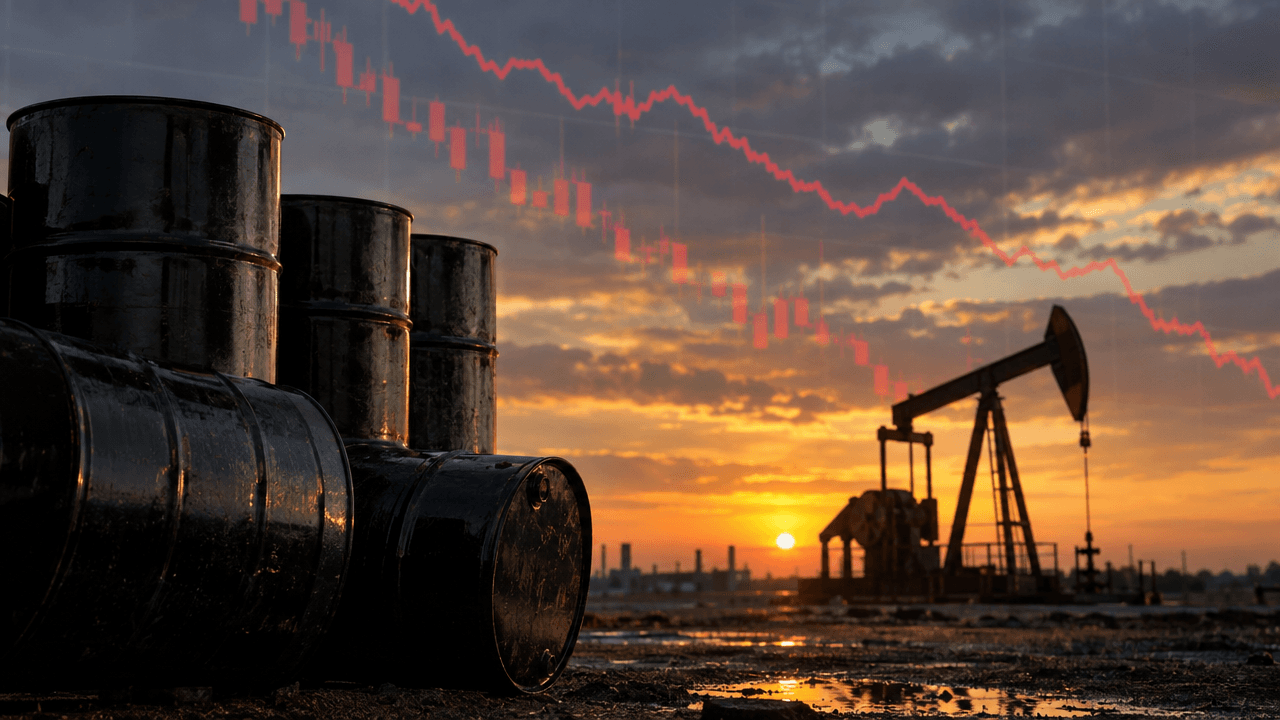
Oil is heading for a second consecutive weekly decline as traders increasingly view the risk of a major supply disruption in the Middle East as contained, at least for now. Brent crude and West Texas Intermediate were on track to lose roughly 2.5% to 2.9% for the week, extending a sharp retreat from the previous period. The move reflects a market balancing geopolitical uncertainty against growing evidence of adequate supply and softer demand expectations. [9][11]
The decline is significant because crude prices had previously surged on fears that conflict involving Iran and other regional actors could interrupt exports through the Strait of Hormuz. That waterway is one of the world’s most important energy corridors, and any prolonged disruption could rapidly tighten global oil markets. For now, however, shipping flows have remained sufficiently resilient to prevent the worst-case scenario from becoming the market’s base case.
Supply Concerns Override Geopolitical Fears
Oil markets often price the possibility of disruption before an actual shortage appears. In recent weeks, crude contracts carried a geopolitical premium as traders assessed military activity, shipping threats and the possibility of a wider conflict. But that premium has eased as Washington’s focus has shifted toward blockade measures and economic pressure rather than an immediate escalation into broader fighting. [2][3]
This does not mean geopolitical risks have disappeared. Reports of attacks involving tankers and threats near the Strait of Hormuz continue to create the possibility of sudden price spikes. The market’s current message is more specific: risks are elevated, but the probability of a sustained interruption to physical supply has not yet become high enough to outweigh surplus concerns.
That distinction is crucial for traders. Crude can remain under pressure during a dangerous geopolitical environment if production and transportation continue. Conversely, even a relatively small incident can trigger a sharp rally if it threatens a major export route, refinery network or pipeline system.
The International Energy Agency has also pointed to a growing global supply surplus, reinforcing the bearish side of the market. Recovering Gulf exports and subdued demand have encouraged traders to focus on inventory accumulation rather than immediate scarcity. [1][2]
Gasoline Signals Weaker Near-term Demand
Gasoline futures have declined sharply, adding another layer to the bearish outlook. Unlike crude, gasoline prices are closely tied to immediate consumer demand, refinery activity and seasonal driving patterns. A decline in gasoline futures can indicate that the market expects less pressure from motorists and fuel buyers in the near term.
For consumers, lower gasoline prices may eventually provide relief at the pump, although wholesale futures do not translate into retail prices immediately. Taxes, refining margins, distribution costs and local market conditions all influence what drivers pay. Even so, sustained weakness in gasoline futures can reduce one of the most visible channels through which energy markets affect household budgets.
For refiners, the trend is more complicated. Cheaper crude can reduce input costs, but weaker gasoline prices may compress refining margins. Traders should therefore watch the relationship between crude oil and refined products rather than viewing falling gasoline prices as a uniformly positive signal for the energy sector.
Inflation And Interest-rate Implications
Softer oil prices could reduce near-term inflation pressure. Energy costs influence headline consumer-price indexes directly through gasoline, heating fuel and other products. They also affect transportation, manufacturing and logistics expenses, which can filter into the prices of goods and services over time.
A sustained decline in crude prices may therefore give central banks more flexibility if inflation is already moderating. It could also ease pressure on consumers, potentially supporting spending in other areas of the economy. However, one week of falling oil prices is not enough to change the broader monetary-policy outlook. Central banks typically assess trends across several months, along with wages, housing costs, services inflation and economic growth.
Markets should also consider the possibility that lower oil prices reflect weakening demand. If crude is falling because businesses and consumers are using less energy, the disinflationary benefit may come alongside slower economic activity. The same price move can therefore be positive for inflation but negative as a signal about global growth.
What Traders Should Watch Next
The next phase of the oil market will depend on whether supply fundamentals or geopolitical headlines take control. Traders should monitor developments around the Strait of Hormuz, tanker traffic, official production guidance and signs that Gulf exports are returning to normal levels.
Inventory data will also be important. Rising commercial stockpiles would strengthen the argument that the market is oversupplied, while unexpected draws could challenge the bearish narrative. At the same time, changes in the US dollar and interest-rate expectations may influence crude demand by affecting purchasing power and the broader outlook for economic growth.
For SimFi traders, the current environment is a useful lesson in separating headline risk from tradable market impact. A dramatic geopolitical story does not automatically mean oil must rise. The better approach is to ask whether the event changes actual supply, transportation capacity or expected demand. Position sizing, stop-loss discipline and awareness of scheduled inventory releases remain essential in a market capable of reversing quickly.
Conclusion
Oil’s second weekly decline shows that markets can look past serious geopolitical tension when physical supply remains available and surplus expectations strengthen. Brent and WTI remain vulnerable to renewed disruption headlines, but falling gasoline futures and growing supply concerns are currently limiting the upside.
The central takeaway is balance. Geopolitical risks have not vanished; they have simply been contained enough for fundamentals to regain influence. Traders should prepare for continued volatility while focusing on the data that can turn risk into reality: export flows, inventories, refinery demand and evidence of a genuine supply interruption.