
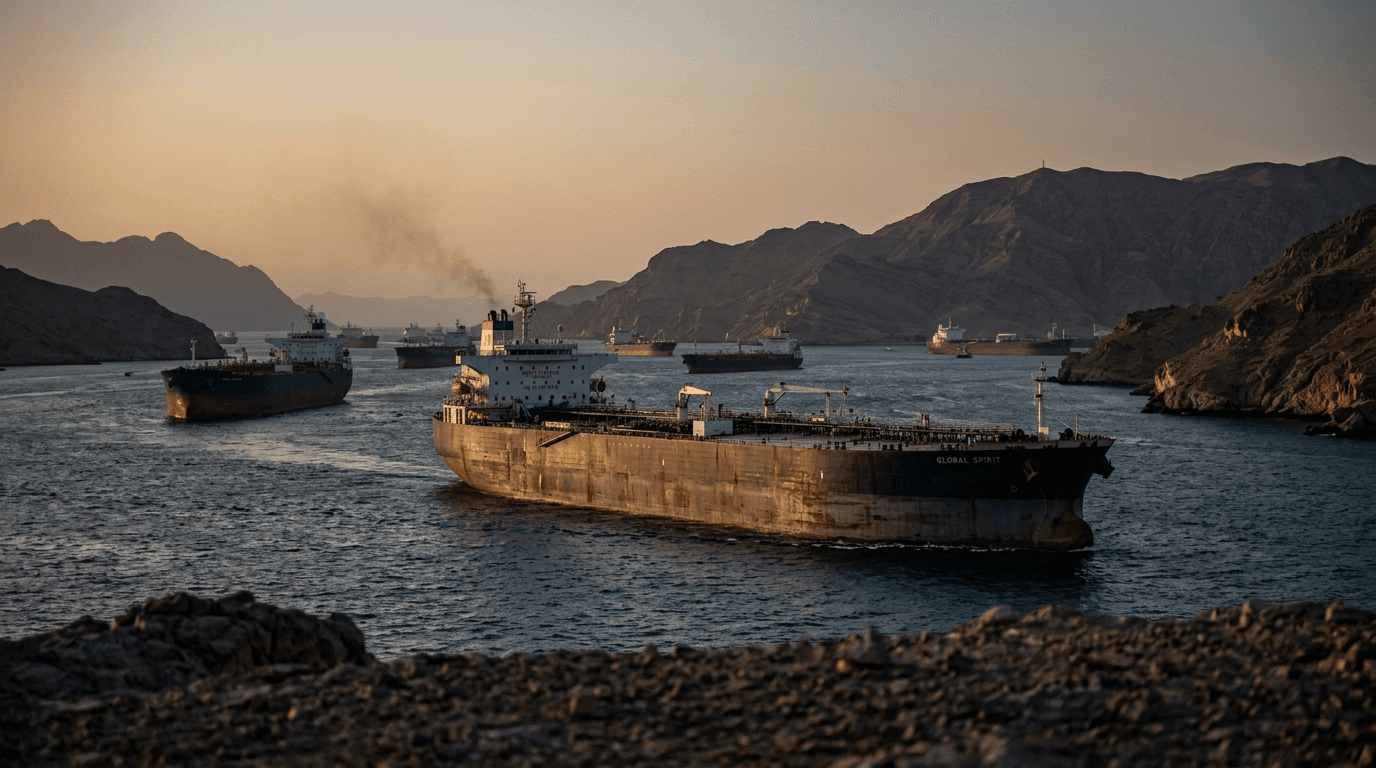
In early March 2026, OPEC+ made a strategic move that caught many market observers by surprise: eight key members announced they would increase oil production by 206,000 barrels per day starting in April. This decision came in the immediate aftermath of U.S. and Israeli military strikes on Iran and subsequent Iranian retaliation across the Middle East, creating significant uncertainty in global energy markets. The production boost signals that the world's largest oil producers are determined to prevent supply disruptions from spiraling into a full-blown energy crisis, yet analysts remain divided on whether this measure will actually stabilize crude prices or merely slow an inevitable surge.
The Geopolitical Shock And Market Response
The conflict between Israel, the United States, and Iran created an immediate supply shock that rippled through global oil markets. Concerns about disruptions to the Strait of Hormuz—the critical waterway through which roughly 20 percent of the world's daily oil supply passes—sent crude prices soaring as traders feared a potential blockade or attacks on shipping infrastructure. Adding to the pressure, Iran's Revolutionary Guards announced the strait was closed, and reports emerged of tankers being struck while attempting passage. For SimFi traders, this represented classic geopolitical tail risk: a sudden, high-impact event that traditional analysis alone cannot predict.
The timing of OPEC+ action was remarkable because the meeting to discuss production increases had been scheduled before the conflict escalated. However, the magnitude of the increase exceeded analyst expectations. Before the weekend announcement, market observers had predicted a modest boost of 137,000 barrels per day. OPEC+ members Saudi Arabia, Russia, Iraq, the United Arab Emirates, Kuwait, Kazakhstan, Algeria, and Oman instead committed to an additional 206,000 barrels daily—a 50 percent larger increase than anticipated. This was a clear signal that OPEC+ recognized the threat to global oil supplies and wanted to project confidence.
Why The Increase May Not Be Enough
Despite the larger-than-expected production boost, leading energy analysts expressed skepticism about its effectiveness. Jorge Leon from Rystad Energy pointed out a critical flaw in the market narrative: if oil cannot physically move through the Strait of Hormuz, additional barrels produced inland become economically irrelevant. "Logistics and transit risk matter more than production targets right now," Leon noted, emphasizing that markets would respond to actual shipping flows rather than production targets on paper.
This insight is crucial for traders monitoring commodity markets. The OPEC+ increase assumes that export routes remain open and functioning. If Iranian retaliation or escalating conflict damages infrastructure or disrupts shipping patterns, the extra 206,000 barrels per day offers little immediate relief. Some analysts even projected a nightmare scenario: a sustained closure of the Strait of Hormuz lasting more than a few days could send oil prices from approximately $72 per barrel to a range of $120 to $150 per barrel. Such a move would have cascading effects on gasoline prices, inflation expectations, and broader market volatility.
The Iran Export Question
One often-overlooked element in this crisis is Iran's own oil production capacity. Iran exports approximately 1.6 million barrels per day, primarily to China. If Iran's exports are disrupted—either through infrastructure damage, sanctions escalation, or direct military targeting—the global market must find alternative supply. While OPEC+ production increases help offset some losses, they cannot instantly replace Iranian barrels if critical export infrastructure is damaged. China, with its substantial strategic oil reserves and ability to increase imports from Russia, has more flexibility than many other nations dependent on stable Middle Eastern supply.
What Traders Should Monitor
For SimFi traders and investors, several key variables deserve close attention. First, track actual shipping activity through the Strait of Hormuz; any sustained reduction in tanker transits would signal that logistics constraints are binding. Second, monitor Iranian retaliatory capabilities and the U.S. response, as further escalation could damage oil production facilities in other Gulf states, particularly Saudi Arabia. Third, watch for insurance and shipping cost changes; elevated premiums and canceled contracts reflect growing risk perception. Finally, observe OPEC+ members' actual production numbers in coming months to verify they meet stated targets.
The broader lesson here is that commodity markets remain vulnerable to geopolitical shocks despite efforts by major producers to stabilize supply. OPEC+ response was measured and professional, yet market prices are determined by real constraints—physical infrastructure, shipping capacity, and political stability—not merely by production intentions. The April implementation timeline also matters; if conflict continues to escalate between now and then, circumstances could change dramatically.
Conclusion: Preparing For Volatility
OPEC+ signaled resolve by increasing production more than expected, demonstrating that major oil producers recognize the stakes and want to prevent an energy crisis. However, the actual effectiveness of this decision depends entirely on whether Middle Eastern shipping routes remain functional and whether Iranian production capacity remains intact. For traders in SimFi markets, this situation exemplifies why diversification and careful risk management matter. Commodity price movements driven by geopolitical events can be swift and severe, rewarding those who stay informed while punishing those caught unprepared.
---