
Pound Sterling's Plunge: Trump's Address and Its Ripple Effects on Currency Markets
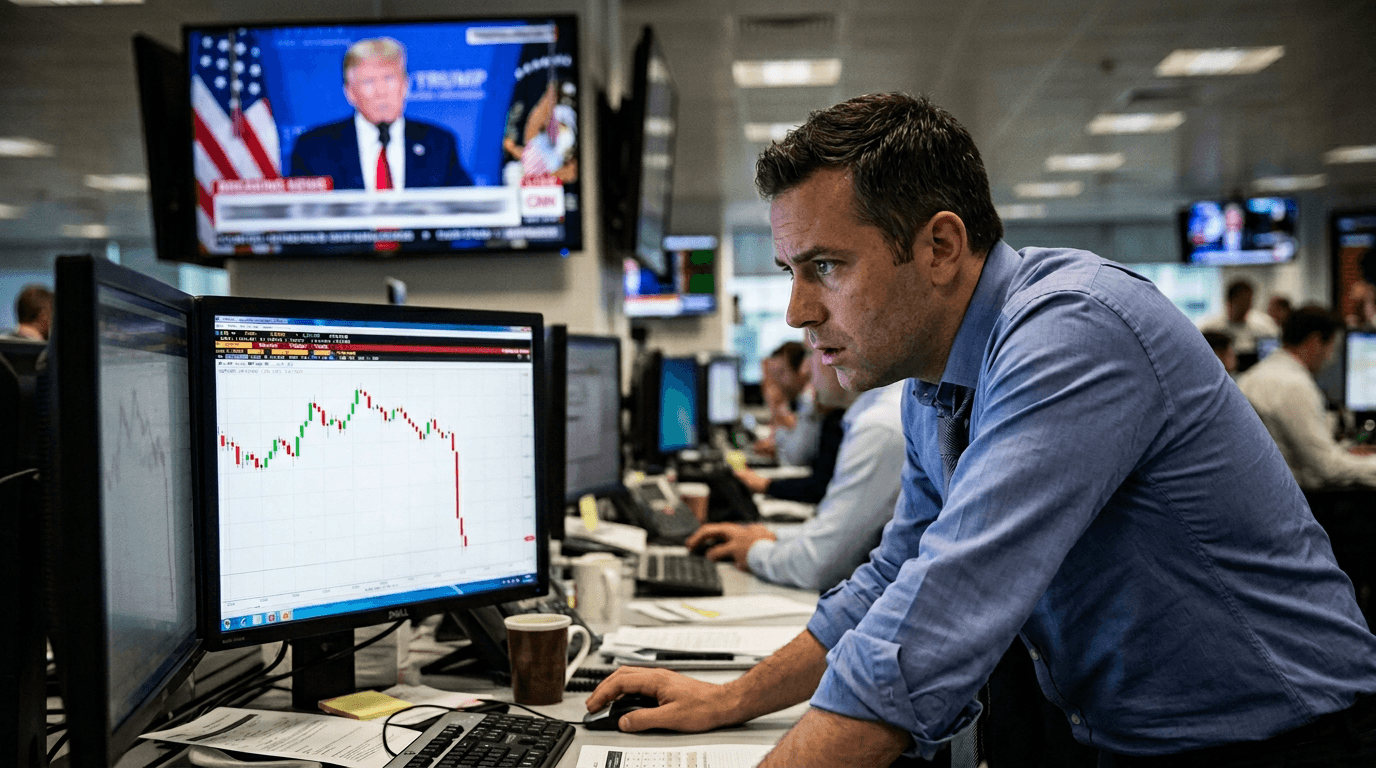
On March 15, 2025, the foreign exchange market's acute sensitivity to geopolitical rhetoric was once again underscored. The British Pound Sterling witnessed a steep fall against the US Dollar following former President Donald Trump's nationally televised address. Within mere hours, the GBP/USD exchange rate nosedived 1.8%, descending from 1.2850 to a session low of 1.2620, its lowest in three weeks. This swift decline highlighted the profound impact political developments continue to wield over currency valuations.
Market's Immediate Reaction
The rapid descent of the pound was a significant event but not an isolated one. During the same window, the US Dollar Index surged by 1.5%, showcasing a broad-based rally as the dollar gained traction against the Euro, Japanese Yen, and other major currencies. The spike in trading activity was remarkable, with forex market liquidity remaining robust. Trading volumes soared approximately 40% above the monthly average across key financial hubs like London, New York, and Tokyo.
Technically, the scenario deteriorated rapidly. The 50-day moving average failed to provide any real support for sterling, and the Relative Strength Index plunged into oversold territory, signaling intense selling pressure. Market sentiment surveys dramatically shifted from cautious optimism to outright bearishness on sterling, illustrating how swiftly investor confidence can evaporate in response to unforeseen policy cues.
Trump's Speech: Key Highlights and Implications
In his address, Trump centered on economic and trade policy, but the implications stretched beyond Wall Street. His commitments included renewed tariff discussions with major trading partners, aggressive energy independence strategies prioritizing domestic production, stricter immigration controls to safeguard domestic labor markets, and tax policy revisions aimed at repatriating corporate capital.
Beyond economic discourse, Trump tackled the military situation in the Middle East, indicating that operations would persist for two to three more weeks, with a warning to target Iran's energy infrastructure absent a deal. This aspect of the speech was particularly detrimental to sterling, dashing prior hopes for swift de-escalation that had buoyed market sentiment. The market's anticipation of peace was abruptly adjusted to expectations of prolonged conflict.
Crude Oil Surge and Inflation Concerns
The geopolitical escalation incited an immediate surge in crude oil prices, rekindling global inflation fears and bolstering expectations for a US Federal Reserve rate hike. For currency traders, this posed a dual challenge for the pound. Elevated oil prices threatened additional inflationary pressures in the UK, especially vulnerable to energy price shocks tied to Middle Eastern tensions. Concurrently, the Bank of England had signaled hawkish intentions about a potential interest rate hike as early as April amid inflation concerns, creating a paradox where sterling theoretically should strengthen on higher rates but instead weakened due to geopolitical risk aversion.
The crude oil rally simultaneously fortified the US dollar's strength, as higher oil prices and inflation expectations typically support the currency of the world's largest oil consumer and the issuer of the global reserve currency. This confluence of factors exerted significant downward pressure on the GBP/USD pair.
Implications for Traders and Investors
The pound's depreciation has tangible repercussions for various market participants. For UK consumers, a weaker pound generally escalates the cost of imported goods, potentially fueling inflation and making foreign holidays and imported products pricier, albeit benefiting UK exporters through cheaper goods for foreign buyers. For traders, the move underscored the perpetual importance of monitoring political developments and central bank commentary alongside traditional economic data.
The historical context is crucial. This decline's scale, a 1.8% drop within four hours, positions it between the 2.1% fall post-November 2024 US election result and the 1.2% drop following a UK inflation report in January 2025. This pattern reaffirms a known truth among forex veterans: political announcements can influence markets as decisively as central bank decisions or economic data surprises.
Looking Ahead
Market participants must remain vigilant as future currency movements hinge on several factors, including the Trump administration's actual policy implementations, responses from the Bank of England and Federal Reserve, and incoming global economic data. The current climate demands meticulous analysis and robust risk management strategies. The heightened volatility observed during Trump's address may persist in the near term, especially if further policy announcements or geopolitical developments arise before the Middle East situation stabilizes.
For those exposed to currency fluctuations or involved in international money transfers, benchmarking rates against industry specialists and considering hedging strategies is vital for navigating these conditions. The simulated finance environment offers an ideal training ground for comprehending these dynamics without real capital risk.
---
NEWSIMPACTSCORE: 7