
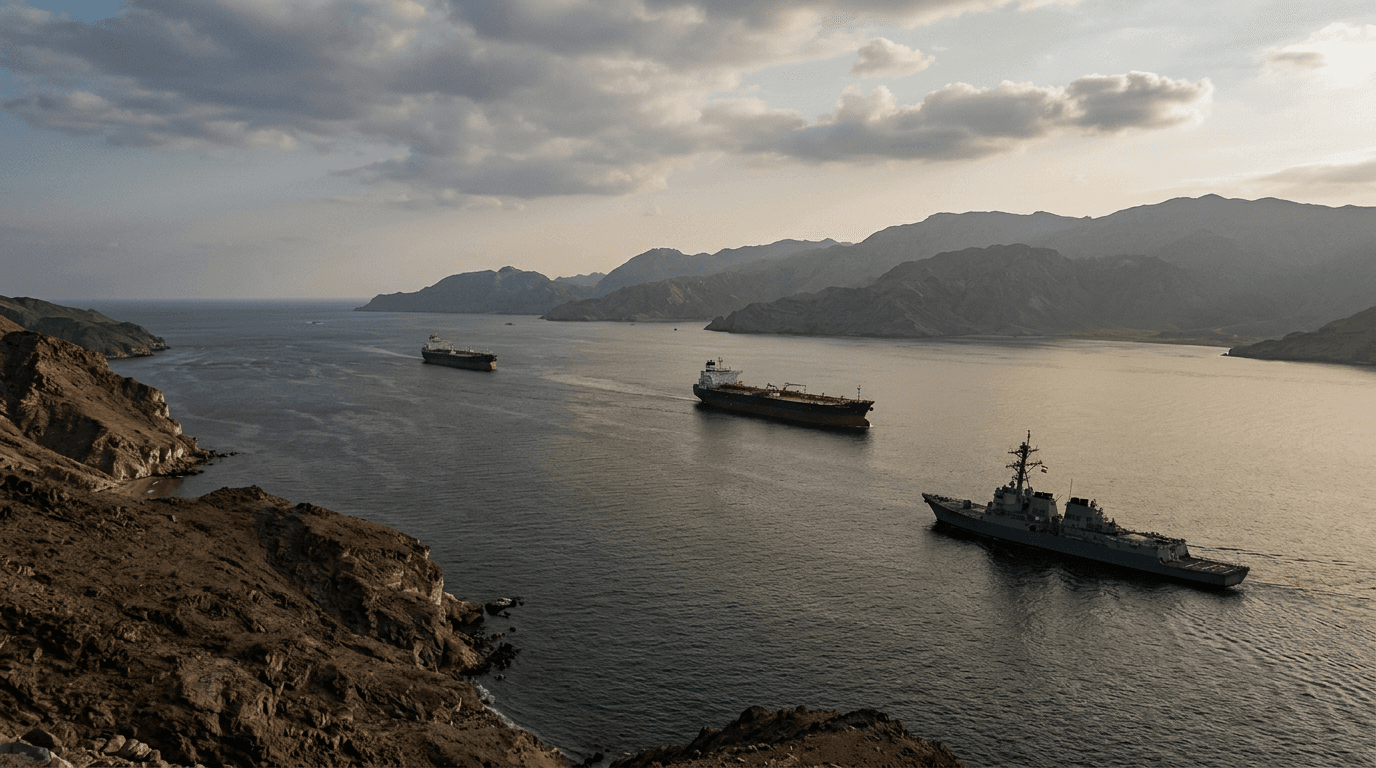
The Strait of Hormuz, one of the world's most critical energy chokepoints, has descended into chaos as Iranian tensions escalate and shipping traffic plummets. Starting March 1, 2026, oil tanker traffic through this vital waterway virtually halted, with approximately 240 vessels now clustered in nearby ports, unable or unwilling to transit through the conflict zone. What began as a 40-50% drop in daily traffic has deteriorated dramatically, with the most recent data showing traffic down over 90% compared to normal levels of 130-140 vessels per day. The implications are staggering for global energy markets, traders, and emerging economies dependent on reliable energy imports.
Understanding The Crisis
The Strait of Hormuz represents the world's most important oil supply route, with roughly one-fifth of global crude oil flowing through its narrow channels daily. This strategic waterway lies between southern Iran and the UAE and Oman coasts, with two main shipping lanes separated by a central buffer zone, each approximately 2 miles wide. The strait's geographic vulnerability has long made it susceptible to disruption, but the current situation represents an unprecedented challenge to global energy security.
On March 1, the Joint Maritime Information Center noted that while some commercial traffic continued, it was dramatically reduced. Tanker tracking data showed that no crude or product tankers were transiting the main Hormuz traffic separation scheme channels that normally funnel east-west traffic through the narrowest section of the strait. Iranian officials claimed they had closed the waterway, though independent maritime authorities noted this did not constitute an official closure announcement. Regardless of the semantics, the practical reality is clear: ships are not transiting through Hormuz, and major shipping companies have advised against doing so.
Market Response And Political Actions
The Trump administration attempted to calm global markets by announcing a war-risk insurance programme for vessels and promising naval protection for ships passing through the strait. The goal was to reassure shipping companies and oil traders that the critical energy corridor remained open for business. However, the response from the shipping industry reveals a significant gap between political messaging and operational reality.
Ship owners remain reluctant to send vessels through what they perceive as an active conflict zone, despite government financial guarantees and military assurances. Insurance rates for shippers have skyrocketed, with expectations that rates would increase manyfold. One maritime security chief noted that vessels with business connections to the US or Israel would likely be unable to secure insurance at all, effectively blocking them from the route regardless of government support programmes.
Immediate Economic Consequences
The supply disruption is already triggering economic shocks across energy-dependent regions. In Pakistan, the government has sharply raised fuel prices as import costs climbed, creating long queues at petrol stations in major cities. Bangladesh is experiencing similar pressures, with panic buying forcing authorities to introduce limits on fuel purchases to prevent shortages. Both nations rely heavily on imported energy shipments that typically transit through Hormuz.
Crude tankers have instead clustered near Fujairah in the UAE, just outside the Strait of Hormuz, as ship operators seek alternative discharge ports. Market participants report that laden vessels are idling away from the volatile strait, with owners and traders making alternative arrangements. Some observers suggest that vessels may wait a few days to assess the situation, though crew members may refuse to transit the dangerous passage regardless of waiting periods.
Navigating Market Volatility
The market consequences extend beyond immediate supply concerns. Oil prices have begun reflecting the extended disruption potential, with traders pricing in worst-case scenarios and the possibility of further escalation. The Dated Brent assessment just before the major disruption was recorded at $70.94 per barrel on February 27, but those prices likely underestimated the severity of what would follow.
For traders and market participants, the disruption creates both risks and opportunities. The supply shock threatens to push energy prices higher, particularly if the situation persists beyond the immediate few days. However, the current market dislocations also create inefficiencies that astute traders can exploit through alternative route hedging and energy product trading strategies.
What Happens Next
The situation remains fluid and highly dependent on geopolitical developments. Shipping experts predict that vessels will either wait for clarity on the situation or increasingly reroute through longer, more expensive alternative paths. The shadow fleet, which has grown significantly in recent years, may play an outsized role in maintaining minimum energy flows if traditional shipping routes remain compromised.
For traders, investors, and energy-dependent economies, the Strait of Hormuz disruption represents one of 2026's most significant market-moving events. The willingness of policymakers to announce support measures means little if private market participants refuse to operate in the perceived danger zone. As this crisis continues, watch for sustained elevated energy prices, accelerating alternative supply chain development, and growing pressure on energy-importing nations to find new supply sources or reduce consumption.
---