
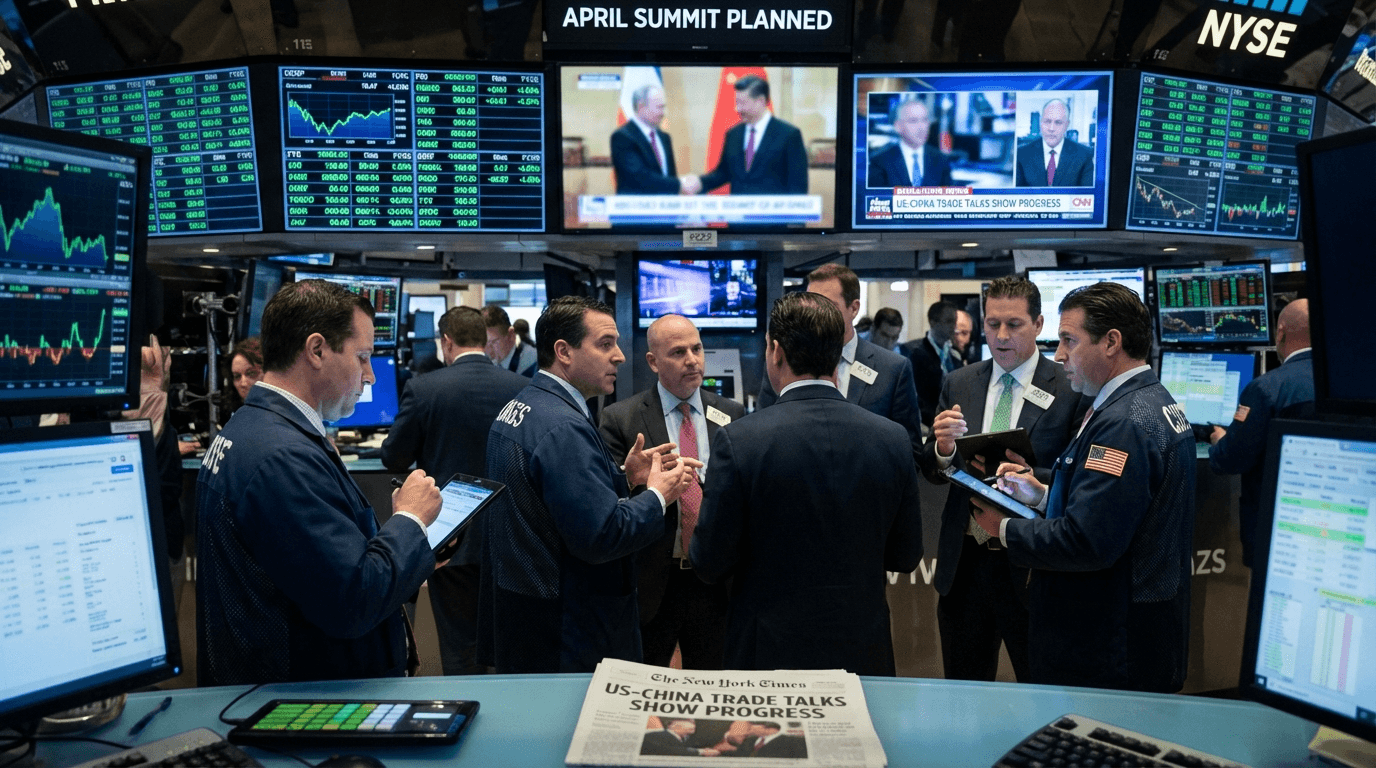
Trump and Xi's Diplomatic Exchange: A New Chapter in US-China Relations
On February 4, 2026, President Trump and Chinese President Xi Jinping engaged in their first direct conversation of the year, setting the stage for a pivotal phase in US-China relations. Described by Trump as "excellent," this "long and thorough" call touched on critical topics such as trade, military collaboration, Taiwan, and geopolitical tensions involving Russia, Ukraine, and Iran. With Trump's upcoming visit to China in April, this diplomatic dialogue holds significant implications for bilateral relations and global markets, making it crucial for traders and investors to grasp the details and anticipate what follows.
Building Diplomatic Momentum
This February 4 dialogue transcended routine diplomatic exchanges. Trump shared on Truth Social that the call spanned numerous vital issues, with both leaders emphasizing the depth of their discussion. Trump highlighted that the conversation covered trade, military matters, and his anticipated April trip to China, which he expressed keen interest in. Such engagement indicates both nations' commitment to maintaining communication despite existing tensions.
From Beijing, Xi stressed the relationship's importance, urging both sides to act on existing consensus, enhance dialogue, and manage differences effectively. Xi emphasized building trust through concrete actions, advocating for 2026 as a year of mutual respect, peaceful coexistence, and win-win cooperation between the two major powers. This diplomatic language suggests an intention to avoid escalation while pursuing respective interests.
Taiwan: The Central Sticking Point
Taiwan emerged as a contentious issue, with Xi labeling it as the most crucial matter in China-US relations. Reiterating Beijing's stance, Xi declared Taiwan as part of China's territory, warning against US military support to the island.
Trump's response was measured. He acknowledged China's concerns about Taiwan and expressed willingness to maintain communication on this sensitive topic. His pledge to keep China-US relations stable during his term indicates an attempt to balance China's concerns with continued American strategic commitments, though the specifics remain unclear.
The timing is notable, as Taiwan's Vice Defense Minister revealed plans for four additional arms packages for Taiwan, potentially the largest in history. How Trump navigates this will test the diplomatic goodwill established in this call.
Trade and Economic Cooperation
Trade discussions were substantial, with Trump highlighting progress on agricultural purchases and energy deals. Most notably, China committed to increasing soybean purchases, aiming for 20 million tons this season and 25 million tons next season. This represents a tangible economic achievement addressing one of Trump's key objectives.
The dialogue also touched on airplane engine deliveries and China's US oil and gas purchases, reflecting Trump's focus on reducing America's trade deficit and expanding exports. These commitments suggest mutual recognition of economic engagement benefits, presenting potential opportunities in agricultural commodities, energy sectors, and industrial equipment manufacturing for traders and investors.
Geopolitical Dimensions: Ukraine, Iran, and Regional Stability
Beyond bilateral concerns, Trump and Xi addressed major geopolitical issues, including the Russia-Ukraine war and Iran, recognizing the interconnected nature of global security challenges. While Trump has referenced a "G2 concept" involving China on larger issues like Russia-Ukraine and Iran, Beijing faces complications regarding its strategic interests and energy security.
China's interest in stable energy supplies incentivizes avoiding scenarios that could disrupt oil markets or create broader Middle Eastern instability. This shared interest in stability, despite differing strategic preferences, provides potential common ground for dialogue.
What Traders Should Watch
For market participants, this call carries several implications. The de-escalatory tone reduces near-term trade war escalation risk, supporting risk assets. Trump's emphasis on agricultural and energy purchases could boost specific commodity sectors. However, the Taiwan situation remains a key risk factor that could shift market sentiment if deterioration occurs.
The April summit in China is the next critical event. How Trump handles the Taiwan arms sales question and whether additional trade commitments are achieved will largely determine if this diplomatic momentum translates into sustained market stability or if tensions resurface.