
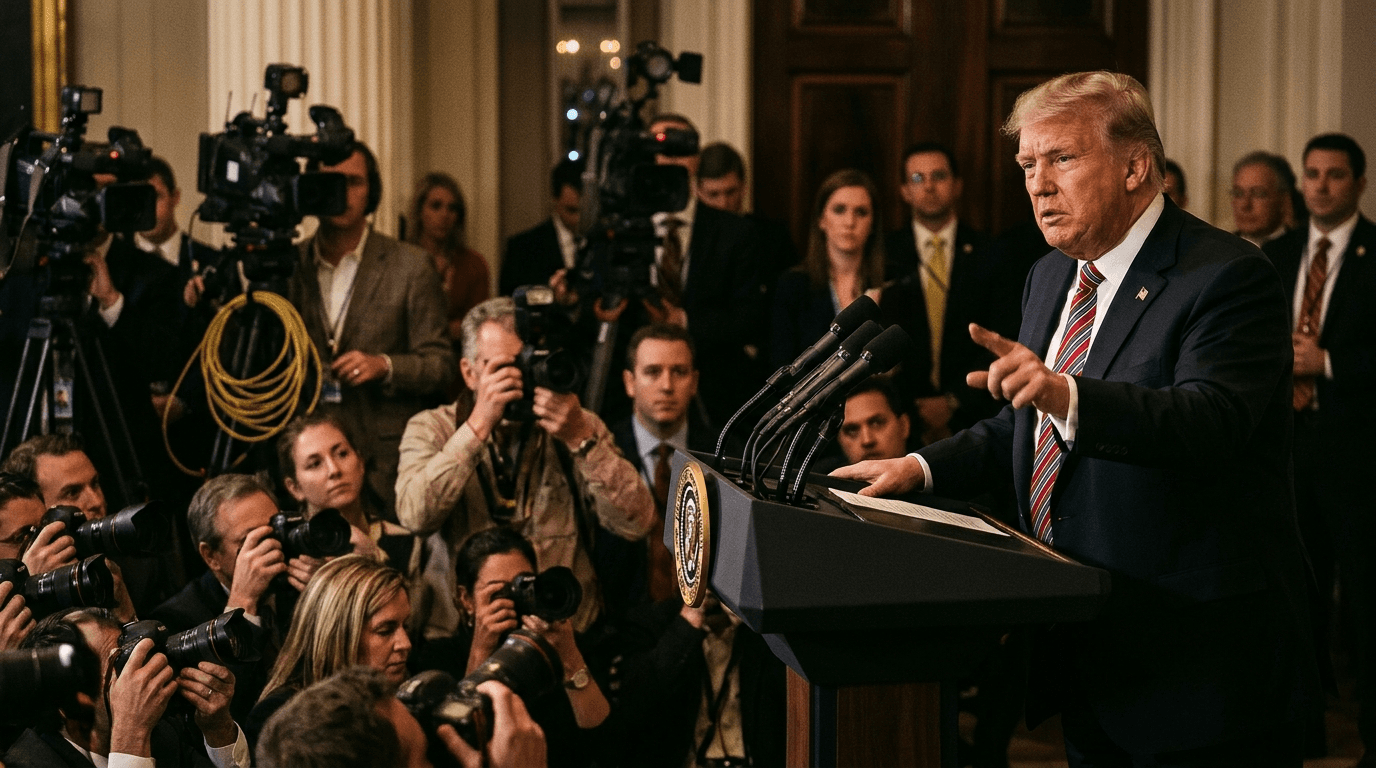
Strait of Hormuz: A Chokepoint in Crisis
The Strait of Hormuz, a pivotal artery in the world's energy landscape, is witnessing an unparalleled disruption as Middle Eastern tensions soar. Once a conduit for approximately 20 million barrels of oil daily, it's now reduced to a mere "trickle," marking the most significant oil supply disruption on record. With about 20% of the global oil supply traditionally flowing through this narrow passage, the ripple effects on energy markets, supply chains, and the global economy are profound.
The Magnitude of the Disruption
The current upheaval in the Strait of Hormuz, nestled between Oman and Iran, cannot be understated. This critical channel is the main exit for Persian Gulf oil exports, underpinning global energy security. In 2024, a staggering 69% of crude oil from Hormuz was destined for China, India, Japan, and South Korea, placing these Asian economies in a precarious position amidst prolonged disruptions.
The situation is dire due to the absence of viable alternatives. While Saudi Arabia and the UAE possess some pipeline capacity to bypass the strait, these can only manage about 2.6 million barrels per day—a mere fraction of the typical 20 million barrels demanded from the Persian Gulf. This infrastructural bottleneck means any prolonged closure would trigger immediate and severe shortages.
Energy Markets in Turmoil
Recognizing the gravity of the situation, the Trump administration has shifted focus to damage control rather than quick resolution. Proposed measures include naval escorts and political risk insurance for tankers navigating the Strait of Hormuz, aiming to maintain shipments despite increasing risks. Additionally, sanctions on India for acquiring Russian oil have been eased to offer alternative supply options.
These efforts underscore a harsh reality: oil prices have become erratic, and energy markets remain skeptical about supply stability. Each day of disruption deepens uncertainty, as traders question if alternative supplies can bridge the gap. Despite stabilization efforts, the core issue persists—replacing 20 million barrels daily isn't a challenge escorts and insurance alone can solve.
Supply Chain Catastrophe Beyond Oil
While surging oil prices dominate headlines, the broader economic peril lies in secondary supply chain disruptions that could inflict lasting damage. A Morgan Stanley analysis highlights that the Middle East disruption jeopardizes more than crude oil exports. The region is vital for petrochemicals, fertilizers, and metals like aluminum—key components in global manufacturing.
As energy disruptions intensify, shortages and logistical delays for these commodities have emerged, escalating costs across agriculture, construction, and consumer goods. Aluminum and plastics are particularly vulnerable, while nitrogen-based fertilizers, reliant on natural gas, threaten global agricultural yields. Developing economies such as India, Brazil, and Turkey face heightened risks due to their reliance on Middle Eastern imports, with advanced economies like Japan and parts of Europe also confronting similar challenges.
Supply chain recovery is expected to lag far behind the resumption of oil shipments. Industrial production disruptions could endure for months, even if geopolitical tensions ease, leading to compounded economic risks including inflation, trade disruptions, and stunted global growth.
Market Implications for Traders
Traders monitoring SimFi markets and global energy dynamics face both immediate and structural hurdles. Oil price volatility is set to persist as markets evaluate various Strait of Hormuz access scenarios. More critically, the spillover into metal prices, agricultural inputs, and manufacturing costs presents secondary trading opportunities and risks across diverse asset classes.
The Trump administration's openness to negotiation, security measures, and sanctions adjustments suggests diplomatic solutions remain possible. However, each passing day of disruption deepens economic wounds and heightens the risk of prolonged inflation and supply chain restructuring. Historically, markets have adapted to supply shocks through substitution and conservation, but the magnitude of current disruptions challenges these mechanisms.
The Strait of Hormuz crisis underscores the centrality of energy security in geopolitical power and the significance of infrastructure chokepoints. As the situation evolves, traders must track not only oil prices but also the broader supply chain impacts reverberating through global manufacturing and agriculture. The coming weeks will be crucial in determining whether this crisis remains contained or escalates into a prolonged economic disruption with ramifications extending well into 2026 and beyond.
Title: Trump Escalates Iran Tensions: Strait of Hormuz Crisis Threatens Global Oil Supply Excerpt: Oil flows through the critical Strait of Hormuz have collapsed to historic lows amid escalating geopolitical tensions, triggering turmoil in energy markets and threatening global industrial supply chains. News Impact Score: 9