
Geopolitical Tensions Escalate as Trump Issues Warning to Iran's Supreme Leader Ahead of Crucial Oman Talks
In a climate already charged with geopolitical tensions, President Trump has heightened the stakes by issuing a direct warning to Iran's Supreme Leader, Ali Khamenei, just hours before pivotal negotiations in Oman. Set to kick off Friday morning in Muscat, Trump's assertion that Khamenei "should be very worried" injects a layer of unpredictability into the diplomatic proceedings, reverberating through global financial markets. These high-stakes talks could mark a turning point in US-Iran relations, with far-reaching consequences for oil prices, currency fluctuations, and regional stability.
Trump's Aggressive Rhetoric and Hardline Approach
In recent statements to NBC News, President Trump has taken a more explicit and confrontational stance concerning the upcoming negotiations. When asked about whether Iran's Supreme Leader should have concerns regarding the talks, Trump's response was unequivocal: "I would say he should be very worried, yeah. He should be." This warning underscores the administration's readiness to consider military action should diplomacy fail, setting a tense backdrop for the discussions.
Further intensifying the situation, Trump revealed that US intelligence had identified plans for Iran to establish a new nuclear facility at an undisclosed location. "Iran was thinking about starting a new site in a different part of the country," Trump stated. "We found out about it. I said, you do that, we're gonna do really bad things to you." Whether viewed as an intelligence breakthrough or a strategic message, this announcement signals the administration's determination to apply maximum pressure on Tehran while keeping military options on the table.
US Negotiation Objectives
The Trump administration's approach to these talks is both comprehensive and ambitious. Secretary of State Marco Rubio clarified that any substantive agreement must encompass four core areas: Iran's nuclear program, its ballistic missile capabilities, its support for terrorist organizations across the region, and its treatment of dissent following crackdowns on anti-government protests.
On the nuclear issue, Trump has shifted his rhetoric from demanding "total dismantlement" to focusing on "NO NUCLEAR WEAPONS." This distinction is crucial. If Trump's aim is merely to prevent Iranian nuclear armament, Tehran might retain its enrichment capabilities and resume activities post-Trump's presidency. However, demanding a complete cessation of Iran's nuclear program poses a formidable challenge for negotiators. The US stance also requires Iran to export all enriched uranium stockpiles out of the country— a major concession Tehran has resisted.
Beyond nuclear concerns, the administration seeks to impose significant restrictions on Iran's robust ballistic missile program. Additionally, the Trump team demands commitments to curtail Iran's financial backing of regional militias and terrorist groups, which they view as destabilizing forces in the region.
Iran's Stance and Key Disagreements
Tehran's negotiating approach starkly contrasts with Washington's comprehensive agenda. Iranian Foreign Minister Abbas Araqchi has stated that Iran is "fully ready" for talks but insists on a narrow focus solely on Iran's nuclear program. This fundamental disagreement nearly scuttled the negotiations on February 4, when Iran initially tried to relocate talks from Turkey to Oman while excluding regional participants and limiting discussions to the nuclear issue alone.
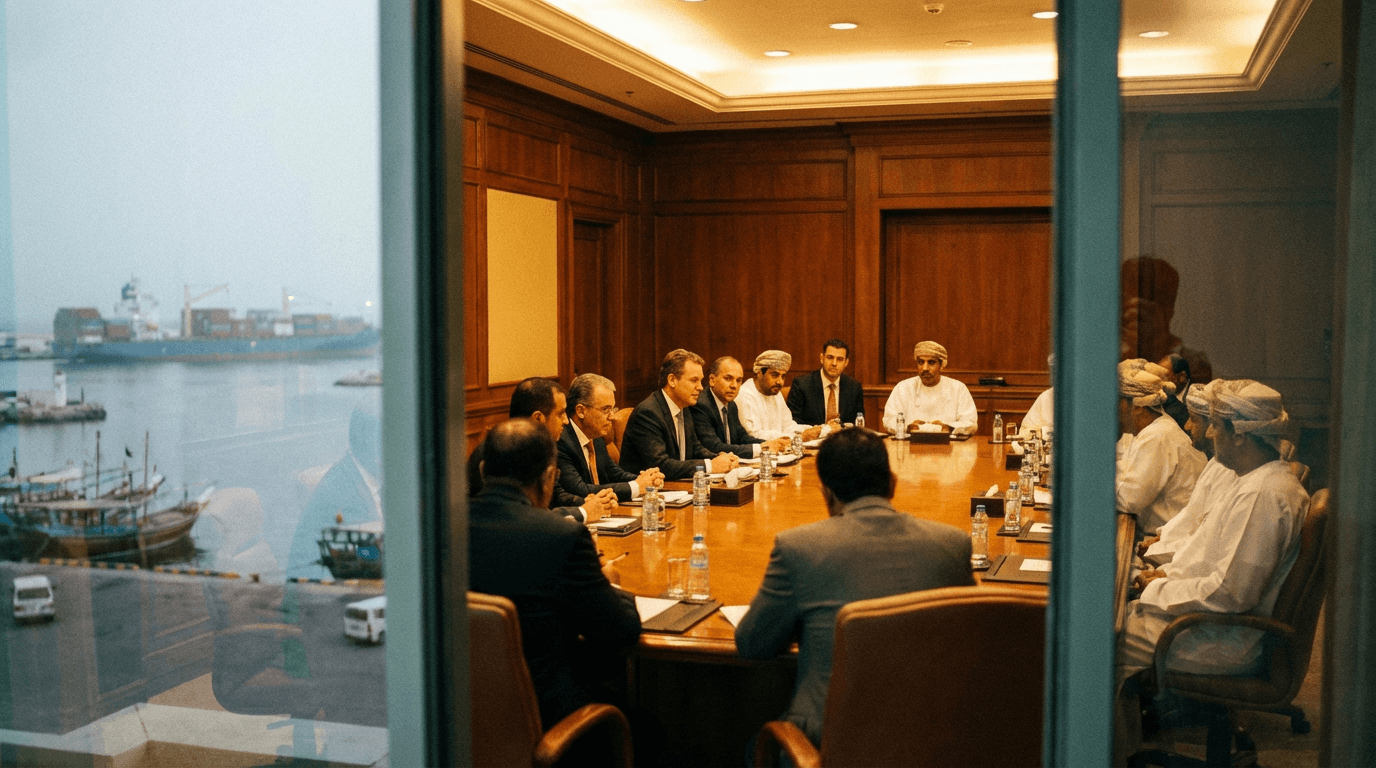
This move raised alarms in Washington, prompting US officials to tell Tehran, "all or nothing," with Iran reportedly responding, "okay, then nothing." However, intense behind-the-scenes diplomatic efforts, particularly from Arab leaders lobbying the White House, managed to keep the talks alive. Ultimately, the negotiations were relocated to Muscat, Oman's capital, set to begin Friday at 10 a.m. local time.
A critical point of contention is Iran's ballistic missile program, which Tehran has labeled a non-negotiable red line. From Iran's perspective, relinquishing these weapons would leave the nation vulnerable to future military strikes. This stance reflects a fundamental strategic calculation: if forced to choose between abandoning its missiles or facing potential military conflict, Iran's leadership may opt to preserve its deterrent capabilities.
Market Implications and Geopolitical Ripple Effects
Trump's combative rhetoric and the tight timeline for these negotiations have already triggered volatility in oil futures and foreign exchange markets. Traders are weighing several scenarios: successful talks could ease tensions and potentially lower oil prices, while failed negotiations might escalate military threats, or a complete breakdown could lead to direct military confrontation.
Historical context is significant here. In 2020, US airstrikes targeted Iranian nuclear facilities, maintaining elevated tensions throughout the intervening period. Any escalation could cause crude oil prices to soar, impacting energy costs globally and influencing inflation expectations in developed economies.
Key Considerations for Traders and Investors
The Friday negotiations in Oman represent a pivotal moment with considerable financial ramifications. Observers should look for signs of flexibility on core issues from either side. Iran's willingness to discuss missile capabilities or regional activities beyond its nuclear program would indicate progress toward a comprehensive agreement. Conversely, inflexible stances could provoke market volatility as traders anticipate increased conflict risk. The next 48 hours will be crucial in determining whether diplomatic efforts can achieve meaningful progress or if tensions between Washington and Tehran will escalate further.