
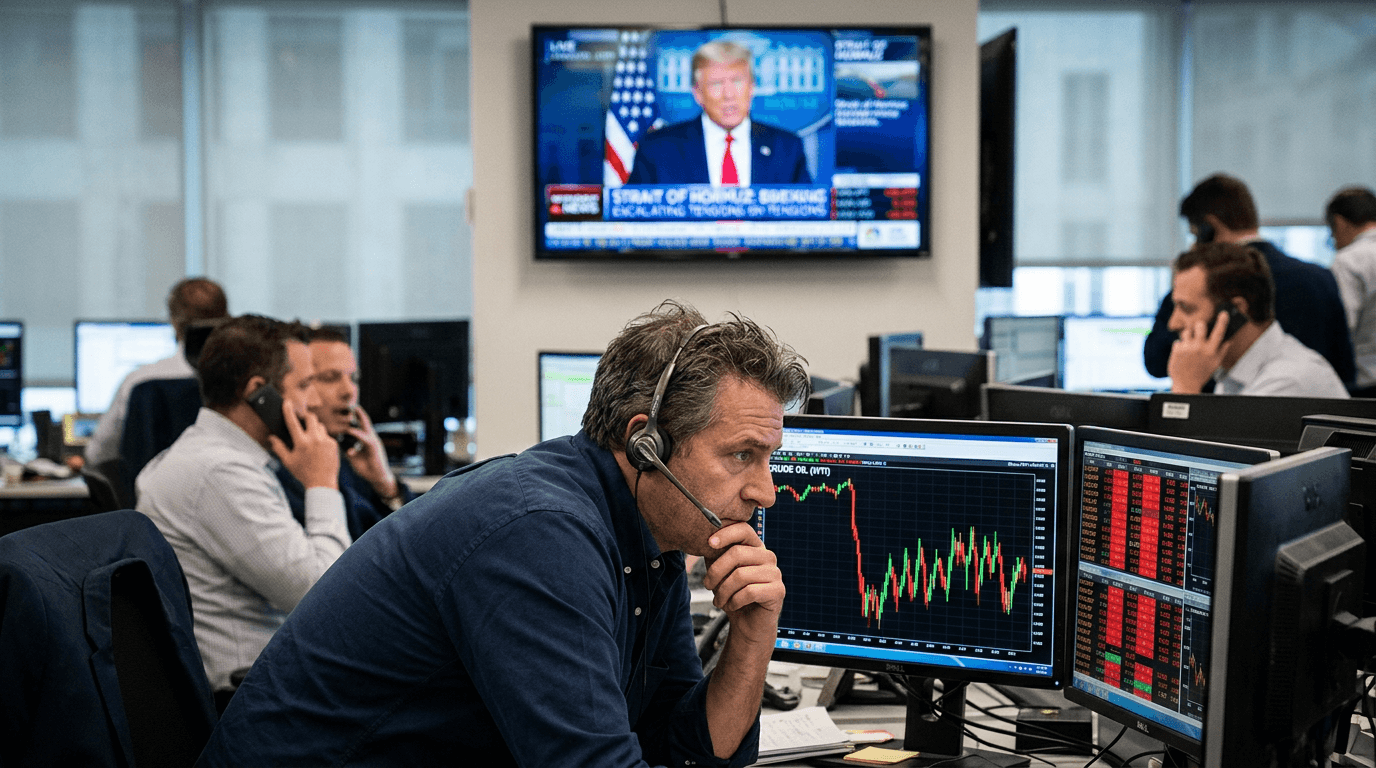
Trump's Ultimatum on the Strait of Hormuz: Navigating Market Volatility
President Trump's recent ultimatum to Iran regarding the Strait of Hormuz has heightened tensions in the Middle East, impacting global energy markets, currency valuations, and trading volatility. Initially, Trump threatened to destroy Iranian power plants within 48 hours if the strait remained closed. However, following Iran's request for negotiations, he has extended the deadline to 10 days. For traders and investors, especially those on SimFi platforms, understanding the implications of this crisis is crucial for navigating the uncertainty ahead.
Escalating Tensions and Strategic Moves
On March 22, 2026, President Trump issued a stern warning to Iran, threatening to "hit and obliterate" its power plants if the Strait of Hormuz was not reopened within 48 hours. This marked a significant escalation from previous threats, emphasizing the seriousness of the situation. Iran, in response, threatened counter-strikes against desalination plants in the Persian Gulf. This tit-for-tat escalation highlights the dangerous cycle of actions and consequences. Iran's request for a 7-day extension was met with a 10-day extension from Trump, citing Iran's allowance of 10 oil-laden ships through the strait. Despite this diplomatic gesture, tensions remain high.
Impact on Energy Markets
The blockade of the Strait of Hormuz disrupts global energy supply chains. This closure threatens oil and LNG flows at a time when global energy demand is strong. The limited passage of ships through the strait, although positive, represents only a fraction of normal traffic. Consequently, energy markets have reacted with crude oil futures factoring in significant risk premiums. Geopolitical events like this can rapidly alter energy market fundamentals. The destruction of Iranian power plants would severely impact Iran's energy infrastructure, affecting global markets. Conversely, Iran's potential strikes on Gulf desalination plants could disrupt critical water supplies, leading to cascading economic consequences.
Market Implications for Traders
The crisis presents a classic risk-off scenario, driving investors toward safe-haven assets and away from riskier ones. The US dollar has strengthened in response to increased volatility, and Treasury yields have compressed due to heightened demand for quality bonds. Meanwhile, equity markets face challenges from both the energy shock and the uncertainty of conflict escalation. These dynamics create trading opportunities and hedging challenges for portfolio managers. Volatility indices across commodities, currencies, and equities have surged, with oil volatility reflecting the genuine uncertainty of potential military action. Currency volatility, especially for emerging markets affected by energy price swings, has also risen. For SimFi traders, disciplined position sizing and robust risk management are essential.
Strategic Considerations and Negotiation Dynamics
The 10-day extension allows diplomatic efforts to continue, though core disagreements persist. Iran's demands include ending aggression, halting assassinations, and seeking reparations—highlighting deeper issues beyond the immediate strait closure. Trump's willingness to extend the deadline, while atypical, suggests a recognition of the cost of military escalation. Striking Iranian power plants could trigger a broader regional conflict involving Hezbollah, Houthi forces, and other Iranian-aligned militias. Traders should closely monitor diplomatic signals over the next 10 days. Any indication of progress on Iran's demands could lead to reversals in risk-off positioning, while signs of military escalation could increase volatility further. The crisis's outcome will significantly influence commodity prices, currency pairs, and equity markets throughout 2026.
Key Takeaways for Traders
Given the binary risks, traders should position themselves cautiously. Energy exposure may become valuable if military action occurs, but energy trades can quickly become crowded. Maintaining hedges against unexpected escalation is prudent. Keep an eye on official communications and third-party diplomatic signals for any breakthroughs or breakdowns in negotiations.
News Impact Score: 8