
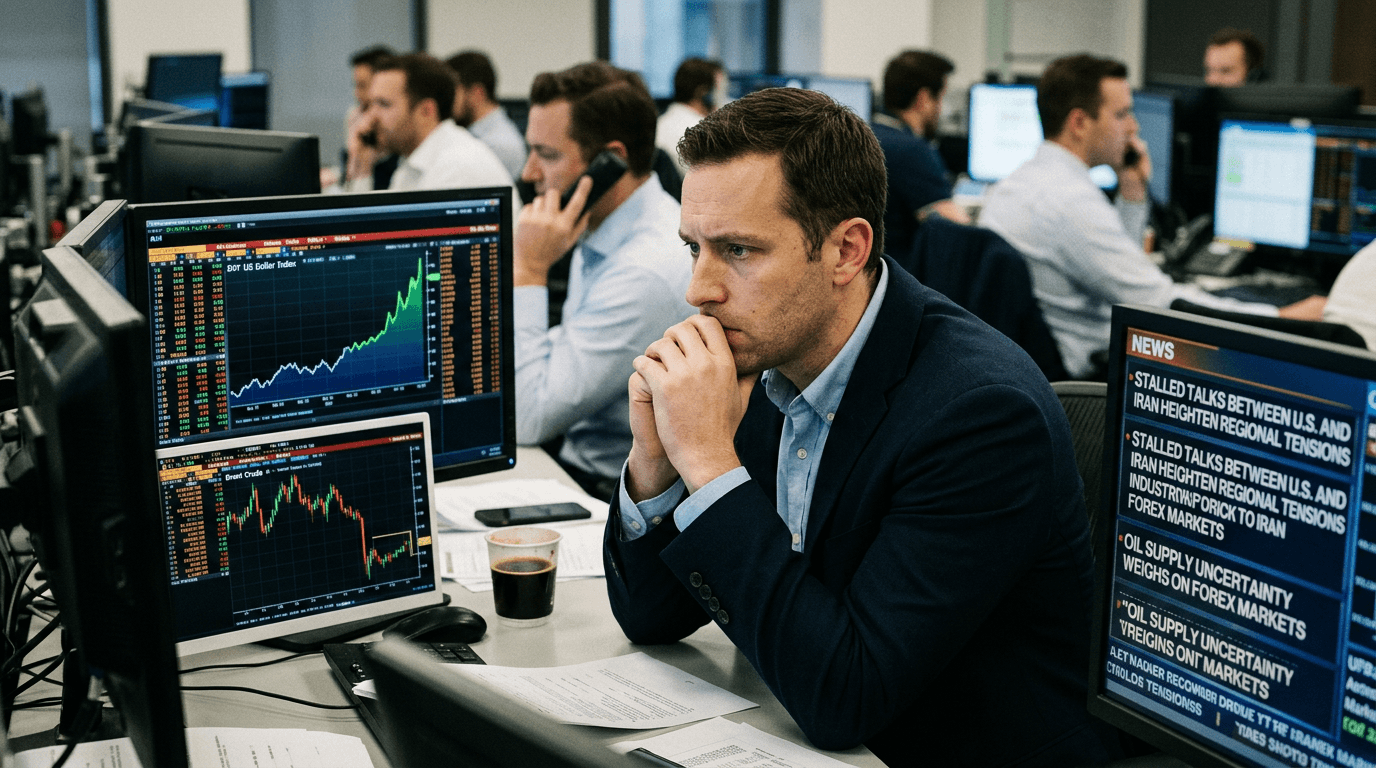
In periods of geopolitical turmoil, investors instinctively turn to safe havens, with the U.S. dollar being the preferred choice. As negotiations between the U.S. and Iran remain stagnant and tensions in the Middle East rise, the dollar has surged to near 2026 highs, marking its strongest weekly showing in recent months. This pattern highlights a key principle in the forex markets: when global stability is threatened, capital flows toward the most trusted reserve currency. Understanding this phenomenon is crucial for traders aiming to manage the intricate relationship between geopolitical events and currency markets.
Safe-haven Demand Drives Dollar Appreciation
The recent ascent of the dollar is largely driven by classic safe-haven demand. In times of economic or military uncertainty, investors shift their assets from riskier investments to safer ones, with the U.S. dollar being the primary beneficiary. The dollar index, which tracks the greenback against a basket of major currencies like the euro and yen, is poised for a weekly increase of 0.5%, signaling steady demand despite a minor dip on Friday. This upward trend illustrates how geopolitical risk can sustain currency valuations even amid negative news cycles.
What sets this scenario apart is the immediacy of the underlying threat. The U.S.-Iran tensions affect one of the globe's most vital energy routes, transforming theoretical geopolitical risk into tangible economic outcomes, reinforcing the dollar's status as a safe haven. Traders are factoring in the potential for a decline in global trade stability, making dollar assets more appealing as a protective move.
The Iran Crisis: Stalled Talks And Escalating Tensions
Efforts to negotiate peace between the U.S. and Iran have led to little progress, heavily influencing market sentiment. Recent meetings in Pakistan ended without resolution, and no subsequent talks are planned. This diplomatic deadlock contrasts with temporary ceasefires in other regional conflicts, such as between Lebanon and Israel, which have been extended but remain fragile.
The critical point of contention is the Strait of Hormuz, a vital artery for global energy. Iran's control over this chokepoint is underscored by footage of commandos boarding a significant cargo vessel, highlighting its capability to disrupt shipping. The U.S. military's interception of Iranian oil tankers trying to bypass the blockade adds to the tension, with no clear solution in sight. Iran insists on a cessation of the U.S. blockade for the strait to reopen, but Washington maintains the blockade as part of the ceasefire. This deadlock creates uncertainty about when normalcy might return, a major factor in market volatility and the dollar’s rise.
Oil Prices Surge, Inflation Concerns Mount
With the Strait of Hormuz operating well below pre-war capacity, the global oil supply is severely limited. Brent Crude is trading around 103 dollars per barrel, reflecting the supply shortfall due to continued disruptions. An estimated 1 billion barrels of oil have been lost, affecting energy-dependent economies worldwide.
The surge in oil prices has significant implications for inflation and central bank policies. Rising energy costs typically drive up inflation, complicating monetary policy. The European Central Bank faces these challenges, with over half of economists surveyed by Reuters anticipating a rate hike in June as policymakers strive to protect the eurozone from energy shocks induced by the conflict. These policy dynamics create varying interest rate expectations across regions, affecting currency valuations and enhancing the dollar's yield appeal.
Currency Market Movements And Trading Implications
Currency markets have reacted predictably to these developments. The euro, usually another safe-haven currency, has weakened against the dollar, dropping 0.53% weekly to approximately 1.17 against the greenback. The Japanese yen has experienced volatility as traders evaluate whether Japanese assets or the dollar offer better protection. Sterling has seen modest gains, reflecting unique economic factors in the UK.
For traders, these currency shifts present both opportunities and challenges. The dollar's strength is underpinned by enduring factors likely to persist amid unresolved U.S.-Iran tensions. However, market positioning is crucial: if too many traders bet on continued dollar strength, any positive news from peace talks could cause rapid reversals. Current range-bound trading reflects this ambiguity, with many traders hesitant to make significant moves until more clarity emerges.
What This Means For Simulated Traders
The current landscape favors traders who grasp the interconnectedness of geopolitical risk, commodity prices, central bank policies, and currency markets. Closely monitor Iran-U.S. negotiations, as a real breakthrough could swiftly reverse the dollar's gains. Additionally, keep an eye on oil prices and inflation trends, as these will influence central bank actions and long-term currency values. While the dollar's strength appears solid today, geopolitical landscapes can change rapidly, necessitating diversified strategies and adaptable approaches to navigate these volatile markets effectively.