
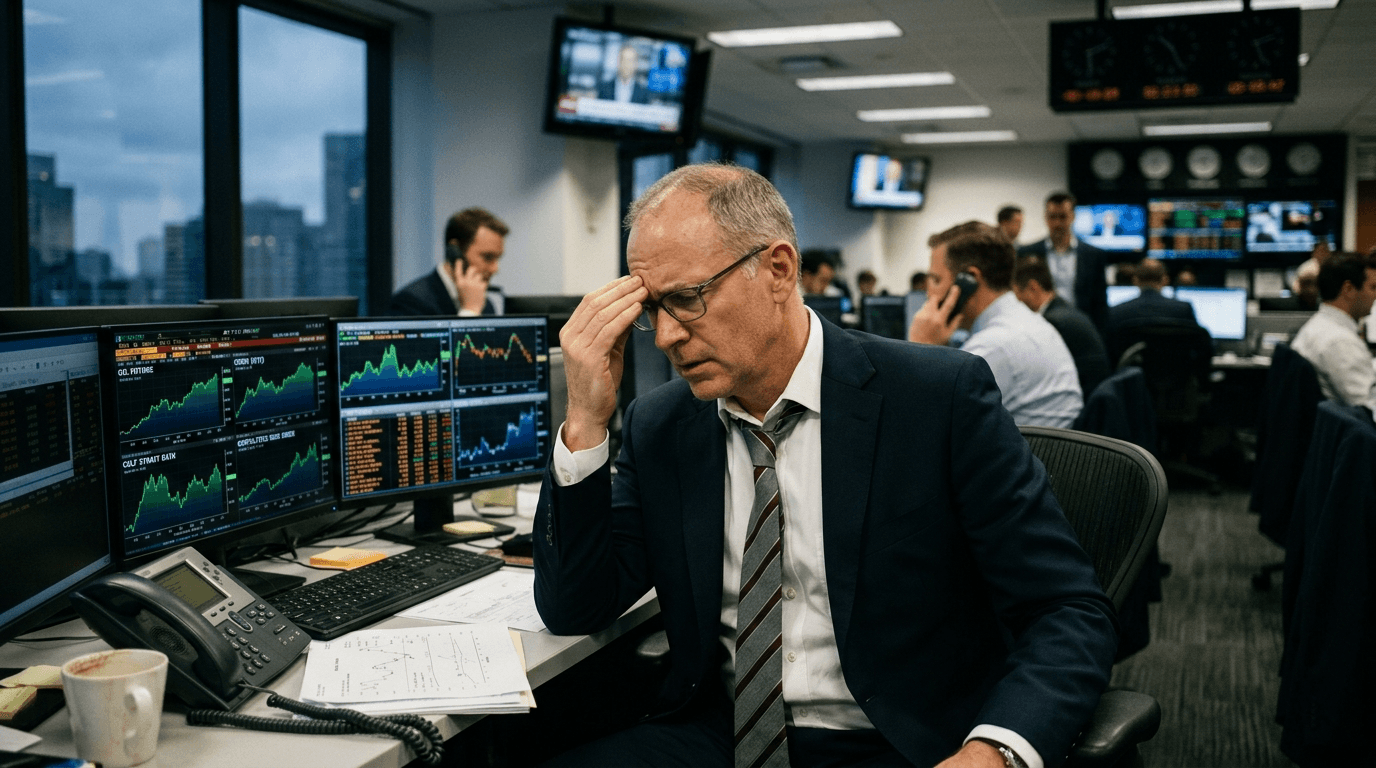
The geopolitical landscape has taken an unforeseen turn as President Trump announces a pause on military strikes targeting Iranian energy facilities. This move hints at a potential shift towards negotiation rather than escalation. The timing is crucial, as fears over disrupted Persian Gulf exports have already sent ripples through global markets, threatening economic growth and altering investor sentiment worldwide. The five-day postponement, alongside talks about reopening the Strait of Hormuz, highlights the fine line between military preparedness and economic stability in this volatile region.
Understanding The Current Situation
The postponement of US military action marks a significant moment in the ongoing Middle East crisis, which escalated after major US-Israeli strikes on February 28, 2026. President Trump revealed that his administration engaged in "deeply detailed and constructive conversations" with Iranian leadership over the weekend, led by key negotiators Keith Witkoff and Jared Kushner. The administration has extended the deadline for Iran to reopen the Strait of Hormuz, holding off on strikes against Iran's power plants for five days to allow negotiations to advance.
However, this cautious approach faces hurdles on multiple fronts. Iran has publicly denied any direct or indirect contacts with the Trump administration via Telegram, while also asserting that the Strait of Hormuz will remain closed. This disparity between public statements and private negotiations underscores the complexity of de-escalation efforts in a region where military actions run parallel to diplomatic efforts.
Persian Gulf Exports And Global Oil Markets
The closure of the Strait of Hormuz presents an unfolding economic crisis. Roughly 20 percent of the world's oil and gas supply typically passes through this vital waterway, making any prolonged disruption potentially catastrophic for energy markets and consumer prices globally. The halting of Persian Gulf exports has already sparked significant oil price increases since the conflict began, creating ripple effects throughout global supply chains and impacting everything from fuel costs to manufacturing inputs.
For traders and investors in energy markets, this disruption presents both risks and opportunities. Rising oil prices benefit energy producers and integrated oil firms but put pressure on transportation, airline, and chemical manufacturing sectors. The uncertainty about when Persian Gulf exports will resume adds a volatility premium to energy contracts, making hedging strategies essential for managing risk.
Implications For Global Growth And Economic Outlook
Beyond the immediate energy crisis, the broader economic implications are profound. The halt in Persian Gulf exports threatens global growth trajectories as rising energy costs simultaneously reduce corporate profitability and consumer purchasing power. Central banks worldwide face challenging decisions about responding to inflation driven by supply disruptions rather than demand pressures—a situation where traditional monetary policy tools are less effective.
The timing complicates matters further, arriving alongside an already shortened trading week due to Easter holidays, limiting opportunities for large institutional repositioning. Market participants have less liquidity and fewer trading sessions to adapt to rapidly shifting geopolitical conditions, potentially amplifying price movements when trades are executed.
What Traders Should Monitor
The next five days represent a pivotal window for developments. Traders should monitor any concrete progress in negotiations regarding the reopening of the Strait of Hormuz, as this single development could dramatically shift energy market valuations. Additionally, any statements from Iran concerning its nuclear program intentions will influence broader market sentiment and geopolitical risk pricing.
Energy sector positions require close attention, particularly among companies with significant Persian Gulf exposure or operations in countries like Saudi Arabia, Kuwait, and the UAE. Defensive sectors and safe-haven assets may continue to attract capital if negotiations stall or escalation resumes. Currency markets, especially those of oil-exporting nations, will likely remain volatile based on crude price movements and conflict developments.
Strategic Considerations For Simulated Trading
In a simulated trading environment, this scenario rewards active portfolio management and scenario planning. Traders benefit from maintaining diversified energy exposure rather than concentrated bets, given the unprecedented volatility and rapid reversals possible in this situation. Building positions based on the most likely negotiation outcomes while maintaining stop losses for downside scenarios provides optimal risk-adjusted returns.
The contrast between military readiness—with 3,500 additional US troops continuing to arrive in the Middle East—and diplomatic efforts suggests policymakers are preparing for multiple scenarios. This hedged approach in policy should inform trading strategy accordingly.
Conclusion
The US decision to delay Middle East attacks may represent a turning point, but the unresolved threats to Persian Gulf exports persist. For investors and traders, this period demands heightened vigilance, disciplined risk management, and flexibility to adapt as negotiations progress or falter. The interconnection between geopolitical risk, energy markets, and global growth means that developments in the coming days could significantly reshape market positioning.