
Dollar's Plunge Below 100: A New Era of Forex Volatility
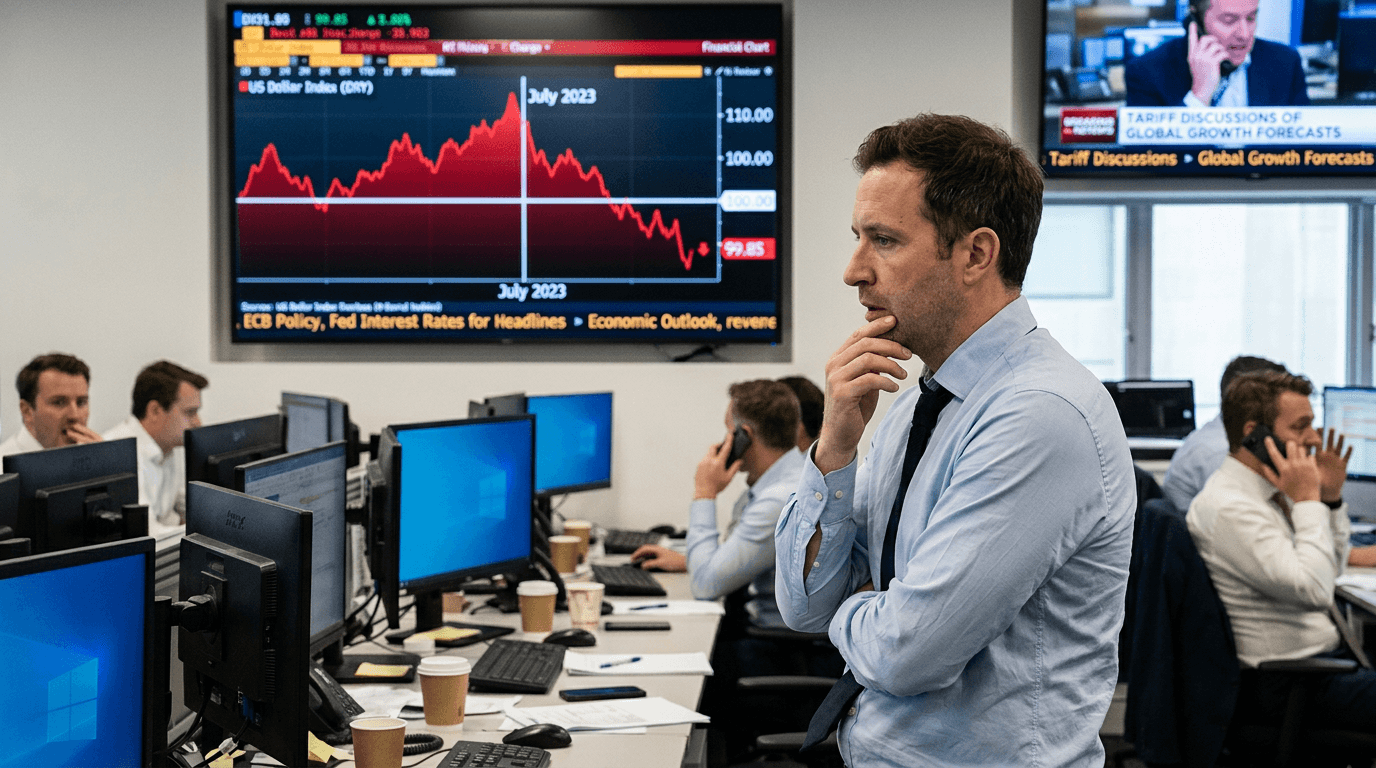
For the first time since July 2023, the US Dollar Index (DXY) has dipped below the critical 100 mark, touching 99.74. This isn't just a minor market fluctuation—it's a pivotal moment indicating a potential prolonged dollar weakness. In today's tumultuous forex landscape, understanding the catalysts behind this shift and its implications for your trading strategy is crucial.
The dollar's dramatic fall from its January 2026 peak of 110 to below 100 signifies a hefty 7% drop in just three months. This sharp downturn defies Wall Street's expectations of dollar resilience under pro-business policies. Instead, tariff uncertainties and trade tensions have exerted relentless selling pressure. The breach of the 100 level is significant—it has been a psychological and technical anchor for over a decade. When such a key level is broken with heavy trading volumes, it suggests a genuine reallocation by institutional investors rather than mere algorithmic fluctuations.
The Perfect Storm: Multiple Pressures On The Greenback
The dollar's decline isn't driven by a single factor but a confluence of macroeconomic forces. At the heart lies a substantial shift in Federal Reserve policy. For years, high US interest rates attracted global capital, bolstering the dollar. However, with the Fed halting rate hikes and markets expecting steady or falling rates through 2026, this cornerstone of dollar strength weakens. As yield differentials narrow, the allure of dollar-denominated assets wanes.
Exacerbating this is the escalating tariff tension under the current administration. Contrary to expectations, these protectionist policies have stoked recession fears, not dollar strength. Investors fear these measures could dampen economic growth and corporate profits, potentially prompting earlier rate cuts. This shift toward risk aversion typically weighs on the dollar.
Geopolitical developments further contribute to the dollar's woes. Reports of ceasefire talks between Iran, the US, and regional mediators have reduced safe-haven demand. As capital shifts from traditional safe-havens like the dollar to riskier assets, the dollar's appeal diminishes. These forces—monetary policy changes, tariff-driven recession worries, and improved geopolitical sentiment—create formidable challenges for dollar bulls.
Technical Indicators Signal More Decline
From a technical standpoint, the fall below 100 sends concerning signals for dollar advocates. The 50-day moving average dropping below the 200-day average forms the ominous "death cross," a bearish sign pointing to continued selling pressure. This isn't a temporary setback but a strategic reduction in dollar holdings by institutional investors. The pattern of lower highs and lows on daily charts supports this trend.
The next support lies around 98.50, a level not tested since early 2023. A breach here could propel the dollar into uncertain territory. Conversely, the 100.20 to 100.50 range now acts as critical resistance. Holding above this zone might hint at recovery attempts toward 101.60 or even 103. Yet, given current trends, further decline appears likely.
Implications For Traders And Market Participants
For forex traders, this breakdown necessitates close attention to technical support and upcoming economic indicators. Employment data, inflation figures, and Federal Reserve statements will be pivotal in determining whether the dollar stabilizes or continues its descent. Positive economic surprises could swiftly counteract weakness, while signs of slower growth or earlier rate cuts might push the dollar lower.
The shift from the dollar as a safe-haven currency is significant. The Japanese Yen and Swiss Franc are emerging as alternative safe-havens, highlighting changing market dynamics. This trend may persist if tariff-induced recession fears or geopolitical tensions continue.
Navigating The Road Ahead
The fall below 100 marks a defining moment for currency markets. Elevated volatility presents opportunities for traders who can navigate both technical signals and fundamental drivers. The crucial question isn't whether the dollar will rebound—temporary recoveries are possible—but whether this signals a prolonged weakness or a pause before recovery.
Success in this environment hinges on vigilant economic monitoring and Fed communications. Traders adept at understanding the interplay of monetary policy shifts, recession fears, and geopolitical developments will be well-positioned for upcoming market movements. The dollar's future path depends on whether economic data exceeds expectations or slower growth prompts earlier Fed rate cuts than currently anticipated.
TITLE: Dollar Falls Below 100 on Tariff Fears and Fed Rate Shift EXCERPT: The DXY dipped below 100 for the first time since July 2023, indicating potential prolonged dollar weakness driven by Fed policy changes, tariff uncertainty, and recession concerns. NEWS IMPACT SCORE: 7