
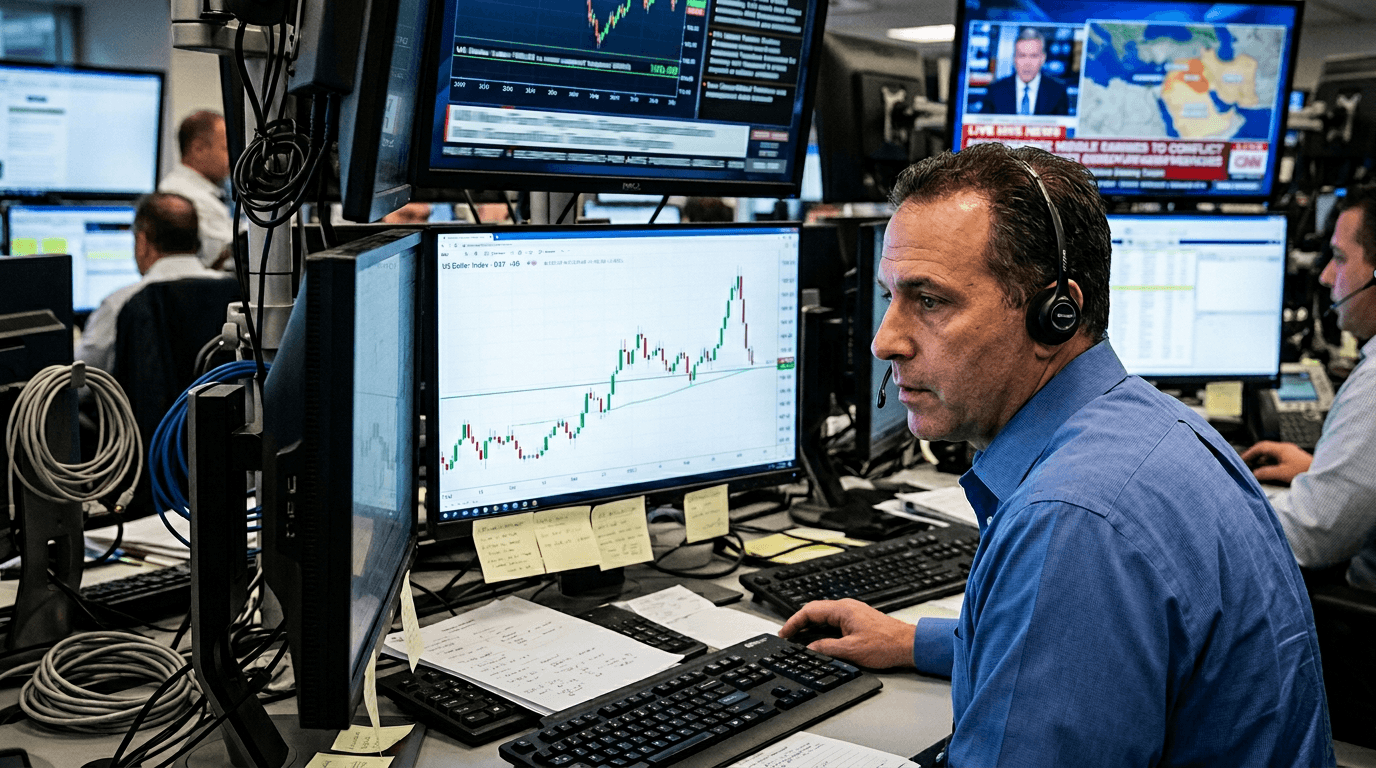
US Dollar Index Steady at 100: Key Drivers and Market Implications
In the realm of global finance, the US Dollar Index is steadfastly anchored near the pivotal 100 mark, a position shaped by two formidable forces: robust jobs data that upholds Federal Reserve policy and intensifying geopolitical tensions in the Middle East that fuel safe-haven demand. For traders, this scenario offers crucial insights into forex, futures, and broader asset allocations. Understanding the dynamics bolstering the dollar's strength and pinpointing critical levels can enhance trading strategies in this ever-evolving landscape.
The Significance Of The 100 Level
The 100 mark on the US Dollar Index is more than a mere numeric milestone. It serves as a psychological and technical frontier that delineates market sentiment between dollar strength and weakness. Earlier in 2026, the DXY surpassed this level, reaching heights near 110 amid expectations of continued Federal Reserve rate resilience and enduring economic strength. The dollar's current stability near this threshold, rather than a decisive dip below, underscores a persistent underlying support for the greenback despite past volatility. For algorithmic traders and risk managers, the 100 level is a cornerstone for billions in position sizing and portfolio adjustments. A break below could trigger algorithmic sell-offs, while holding firm suggests confidence in dollar fundamentals. Key support levels to monitor include 99.70 and 98.50, with a dip below 97.50 indicating a potential long-term trend reversal.
Jobs Data And Federal Reserve Outlook
Recent US employment data has exceeded expectations, reinforcing the dollar's current positioning. Strong labor market indicators bolster the view that the Federal Reserve will maintain its interest rate stance, resisting rate cuts despite economic slowdown concerns. This dynamic sets the US apart from other major economies where growth appears more fragile. The Fed navigates a complex environment marked by persistent inflation, particularly in the service sector where core PCE remains above target levels, alongside indicators of slowing economic growth. This stagflationary landscape constrains the Fed's policy flexibility, but robust jobs data suggests the labor market remains a reliable pillar for the central bank. For traders, this implies continued dollar support from interest rate differentials, sustaining valuations near the 100 level.
Geopolitical Tensions And Safe-haven Appeal
The escalating conflict in the Middle East, now in its fifth week without signs of de-escalation, significantly bolsters dollar demand as a safe haven. Threats from Yemeni Houthis to Red Sea exports, coupled with President Trump's warnings to Iran and rising energy costs, inject genuine uncertainty into global supply chains and economic growth. This geopolitical risk premium translates directly into dollar demand, as international investors and importers seek stability and liquidity. Moreover, the US's role as a major energy exporter means the dollar appreciates when energy prices surge due to conflict concerns. Oil prices have retained momentum from earlier in the month, further supporting dollar demand from importers requiring greenbacks to purchase crude and LNG at higher prices. This convergence of geopolitical risk, energy supply concerns, and the US dollar's positioning as the preferred risk-off asset creates structural support for the DXY at current levels.
Critical Trading Levels And Risk Parameters
For active traders, several technical levels warrant close scrutiny as the dollar consolidates near 100. On the upside, the 100.20-100.50 range is a zone where recovery could initiate if sentiment turns more positive toward US assets. Upside targets at 101.60 and 103.00 remain within reach if dollar strength accelerates, potentially driven by elevated energy prices supporting Fed hawkishness or by further geopolitical deterioration. On the downside, critical support levels to watch are 99.70 and 98.50. A sustained break below 97.50 would signal a deeper reversal in the dollar's long-term trend and could trigger substantial capital rotations across asset classes, affecting everything from emerging market currencies to commodity prices and equity valuations. The near-term direction of DXY hinges on several key data points: upcoming employment reports, inflation readings, and crucial developments in Middle East negotiations or escalation.
Trading Implications And Forward Outlook
The dollar index's current position near 100 presents distinct opportunities based on risk tolerance and market outlook. Those anticipating continued jobs strength and no de-escalation in geopolitical tensions may favor long dollar positioning with stops below 98.50. Conversely, traders expecting eventual peace negotiations or an economic slowdown accelerating Fed rate cuts might fade dollar strength and target the 99.00-98.50 zone. Recognizing that current dollar strength rests on two pillars—economic resilience and geopolitical risk premium—is key. If either pillar weakens materially, rapid repricing could occur. Monitor labor market data closely, as further deterioration could prompt more aggressive Fed rate cuts. Simultaneously, watch Middle East headlines carefully, as any de-escalation could rapidly shift safe-haven flows away from the dollar toward other assets. Trading Economics forecasts suggest the dollar may trade around 100.13 by quarter's end, with longer-term estimates pointing toward 97.93 by this time next year, indicating market expectations for eventual dollar weakness as geopolitical tensions ease and growth pressures build.
The US Dollar Index's positioning near 100 reflects a market balancing US economic resilience and broader global uncertainty. Understanding the forces supporting the dollar and monitoring key technical levels will help you navigate the opportunities and risks this environment presents.