
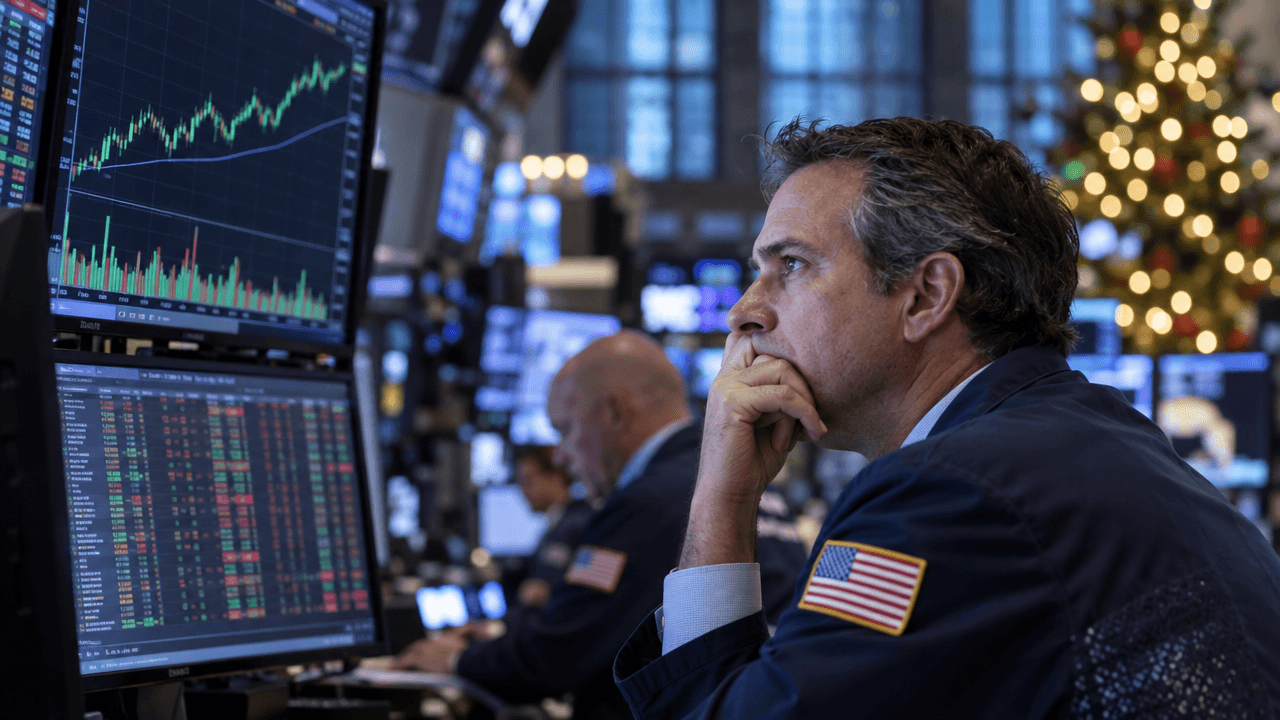
U.S. equity futures are rebounding as technology shares recover from a sharp sell-off that has recently pushed investors to question the durability of the artificial intelligence trade. S&P 500 futures rose roughly 0.8%, while Nasdaq futures gained about 1%, signaling renewed appetite for growth stocks after a period of heavy selling. The move reflects a reassessment of AI spending concerns, technology valuations, and the possibility that recent losses may have gone too far.
The rebound is occurring during an unusually thin holiday trading period. U.S. markets were closed for Thanksgiving and are scheduled for a shortened session on Friday, conditions that can amplify price movements because fewer participants are available to absorb large buy or sell orders. Recent reporting also noted that technology and AI shares benefited from bargain hunting after significant declines. [4]
Why Technology Shares Are Recovering
Technology stocks have been under pressure as investors debate whether the enormous capital spending associated with AI infrastructure will generate sufficient returns. Companies across the technology ecosystem are investing heavily in data centers, chips, cloud computing capacity, and specialized software. That spending has supported strong revenue growth for some businesses, but it has also raised concerns about rising costs, debt levels, and the time required to earn back those investments.
At the same time, high share prices have left many technology companies particularly sensitive to changes in interest rates and investor expectations. Growth stocks are often valued on the basis of future earnings. When interest rates rise or investors become less willing to pay premium multiples, those future profits become less valuable in today’s market.
The recent recovery does not necessarily mean that these concerns have disappeared. Instead, traders may be reassessing the speed and severity of the previous sell-off. When a sector declines rapidly, investors who remain confident in its long-term prospects may begin buying at lower prices. Short sellers may also close positions, adding temporary upward pressure.
A rebound, therefore, can reflect both renewed conviction and short-term positioning. Traders should distinguish between a durable improvement in business fundamentals and a technical bounce driven by oversold conditions.
The Importance Of Ai Spending Expectations
Artificial intelligence remains one of the most influential themes in the equity market. Businesses are competing to develop new AI products, improve productivity, and secure access to computing infrastructure. The investment cycle has benefited chipmakers, cloud providers, data-center operators, and other companies supplying the technology.
However, the market is now demanding clearer evidence that this investment will translate into sustainable earnings. Investors are watching whether companies can monetize AI services, whether customers will continue increasing their technology budgets, and whether infrastructure spending will produce acceptable returns on capital.
Recent weakness has been linked to doubts about the sustainability of debt-fueled AI spending and the impact of higher interest rates on technology valuations. [1] Those concerns create a higher standard for corporate earnings reports and management guidance. Strong revenue growth alone may not be enough if expenses, capital expenditures, or financing needs rise even faster.
For traders, the key question is not simply whether AI is important. It is whether current market prices already reflect an excessively optimistic outcome.
Why The Holiday Session Matters
The Thanksgiving schedule adds another layer of uncertainty to the futures rebound. Holiday weeks typically feature lower trading volumes, and reduced liquidity can make markets more sensitive to individual orders, headlines, and changes in futures positioning. A modest amount of buying can lift prices quickly, while a sudden negative development can produce an equally sharp reversal.
The shortened session also limits the amount of time investors have to react to economic data, company announcements, or overnight developments. Futures may therefore provide an incomplete picture of how market participants will behave when normal trading activity returns.
This does not make the rebound meaningless, but it does make the move harder to interpret. A stronger signal would come from continued gains during a full-volume session, broader participation beyond a small group of mega-cap technology companies, and improving market breadth across sectors.
What Traders Should Watch Next
The first indicator is market breadth. If technology shares rise while most other stocks remain weak, the recovery may be narrow and vulnerable. If industrials, financials, consumer companies, and smaller-cap stocks participate, the move would suggest broader confidence in the economic outlook.
The second is Treasury-market behavior. Technology valuations are closely linked to interest-rate expectations, so a rise in bond yields could limit the rebound. Investors will continue monitoring inflation data, Federal Reserve communication, and economic reports that influence expectations for future policy.
The third is corporate guidance. Earnings results and management commentary from chipmakers, cloud companies, software providers, and major technology buyers may determine whether investors view AI spending as productive investment or speculative excess.
Traders should also monitor volatility rather than focusing only on the direction of futures. Large percentage moves during thin holiday conditions can create misleading signals. Risk management remains essential: position sizes should reflect the possibility of rapid reversals, and stop levels should be based on a trader’s strategy rather than emotional reactions to headlines.
Practical Takeaways For Simfi Traders
SimFi traders can use this market environment to practice separating a headline-driven move from a confirmed trend. Before entering a long position, identify whether the trade is based on improving fundamentals, technical support, short covering, or momentum. Each reason implies a different risk profile.
It is also useful to compare the Nasdaq with the S&P 500 and broader market measures. Outperformance by technology may indicate renewed risk appetite, but it can also reveal concentration risk. A diversified recovery generally provides stronger confirmation than a rally led by only a few large companies.
Finally, prepare scenarios instead of predicting one outcome. A continued rebound could follow if investors regain confidence in AI earnings. A reversal could occur if interest rates rise, corporate guidance disappoints, or traders decide that valuations remain excessive.
The recovery in U.S. equity futures is an important sentiment shift, but it is not yet proof that the technology sell-off is over. Investors are testing whether lower prices have created value or merely paused a broader repricing of AI-related assets. For disciplined traders, the most useful response is to monitor breadth, liquidity, rates, and corporate evidence while keeping risk controlled. The rebound deserves attention, but confirmation will require more than one holiday-thinned session.