
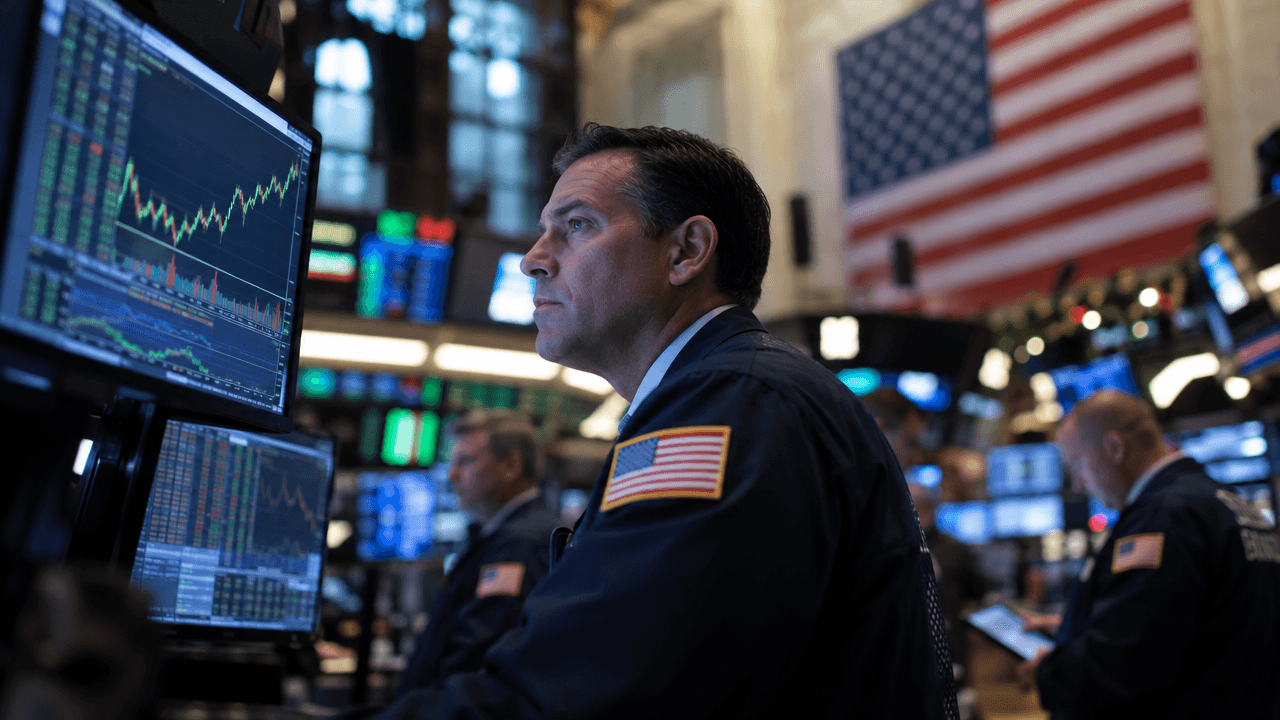
U.S. equity futures rebounded ahead of the shortened post-Thanksgiving trading session, with technology and semiconductor shares leading the recovery. The move offered investors a brief reprieve after a volatile stretch for artificial intelligence stocks, but it did not eliminate the market’s central concerns: expensive valuations, heavy AI-related capital spending, inflation, and the future path of interest rates. [2][6]
The rebound also arrived under unusual trading conditions. U.S. markets were closed for Thanksgiving, and Friday’s session was scheduled to end early at 1 p.m. Eastern time. With many institutional traders away from their desks, lower participation could make futures prices more sensitive to relatively modest orders. [11][13]
For traders, the message is straightforward: a strong futures open can indicate improving sentiment, but it is not necessarily confirmation that a durable market bottom is in place.
Technology Shares Lead The Recovery
Nasdaq-100 futures showed the strongest gains, while S&P 500 and Dow futures also moved higher before the market reopened. Technology shares that had recently suffered sharp losses attracted renewed interest from dip buyers, and semiconductor stocks were among the early leaders. [4][13]
This pattern reflects a familiar market dynamic. When a sector experiences a rapid sell-off without an immediate collapse in corporate earnings, investors often return to companies they believe have been oversold. A rebound can then develop quickly as short sellers close positions and sidelined traders attempt to buy at lower prices.
However, short-term price recovery should not be confused with a resolution of the underlying debate. Investors are still assessing whether the earnings potential of artificial intelligence will justify the enormous amount of money being invested in data centers, chips, software, and related infrastructure. Some market participants view the recent decline as a valuation reset. Others believe it may be an early warning that expectations became too aggressive.
Why Thin Liquidity Matters
Holiday trading can produce misleading signals. In a normal session, a broad mix of institutional investors, market makers, hedge funds, and individual traders helps absorb buying and selling pressure. During a shortened holiday session, fewer participants may be active, while the orders that do enter the market can have a larger effect on prices.
That means futures markets may experience wider spreads, faster price movements, and sharper reversals than traders would normally expect. A positive move before the opening bell can accelerate if investors chase momentum, but it can also fade quickly if regular-session buyers fail to follow through.
Thin liquidity can affect both directions. A large buy order may push futures higher, while a sudden sell order or negative headline can produce an outsized decline. Traders should therefore be cautious about interpreting a holiday rally as a broad change in market positioning.
Futures Are A Signal, Not A Guarantee
Equity futures are useful because they provide an early indication of how investors may react when the cash market opens. They can also reveal which sectors are attracting attention. In this case, the relative strength of Nasdaq-linked contracts suggested that technology and AI-related shares were driving the rebound. [4][8]
But futures do not guarantee the final result of the trading session. Prices can change between the overnight market and the opening bell, and the direction can shift again as more participants return. The most important test may come after the holiday period, when trading volume normalizes and professional investors reassess their positions.
A practical approach is to compare the futures move with several additional signals. Is the advance broad, or is it concentrated in a small number of large technology companies? Are trading volumes expanding? Are defensive sectors participating? Do credit markets and interest-rate futures support the same risk-on message?
A rally supported by broad participation and stronger volume is generally more convincing than one driven by a narrow group of heavily traded technology names.
What Traders Should Watch Next
The AI valuation debate remains the central issue for technology investors. Recent reporting highlighted the conflict between attractive prices after the sell-off and continuing concerns about whether rising spending will generate sufficient future returns. [2][7]
Traders should monitor company guidance, capital expenditure plans, revenue growth, and evidence that AI demand is translating into sustainable profits. It is also important to track interest-rate expectations. Higher borrowing costs can reduce the present value of future earnings, placing additional pressure on companies whose valuations depend heavily on long-term growth.
Market breadth is another useful indicator. If the rebound expands beyond a few AI leaders into industrial, financial, consumer, and smaller-cap stocks, it may suggest broader confidence. If technology shares rise while most other sectors remain weak, the move may represent a tactical bounce rather than a full recovery.
For simulated finance traders, this environment provides a valuable risk-management lesson. Avoid entering a position simply because futures are moving quickly. Define the trade setup, determine the maximum acceptable loss, and account for the possibility of slippage during thin conditions. Smaller position sizes and wider awareness of scheduled economic announcements can help prevent a short-lived holiday move from creating disproportionate damage.
A cautious trader can also wait for confirmation after the opening volatility settles. Patience may mean missing part of the initial move, but it can provide clearer information about whether buyers are genuinely returning or merely covering short positions.
Conclusion
The rebound in U.S. equity futures points to renewed appetite for beaten-down technology and AI shares, but the market is still balancing optimism against substantial uncertainty. Thin holiday liquidity may amplify both the gains and the risks, making price action especially difficult to interpret.
The most constructive reading is that investors believe recent selling went too far and that technology fundamentals remain intact. The more cautious interpretation is that traders are taking advantage of lower prices without resolving concerns about valuations, capital spending, inflation, or interest rates.
The next meaningful test will come when full participation returns. Until then, traders should treat the futures rebound as an important sentiment signal—but not as proof that volatility has ended or that the AI trade has fully recovered.