
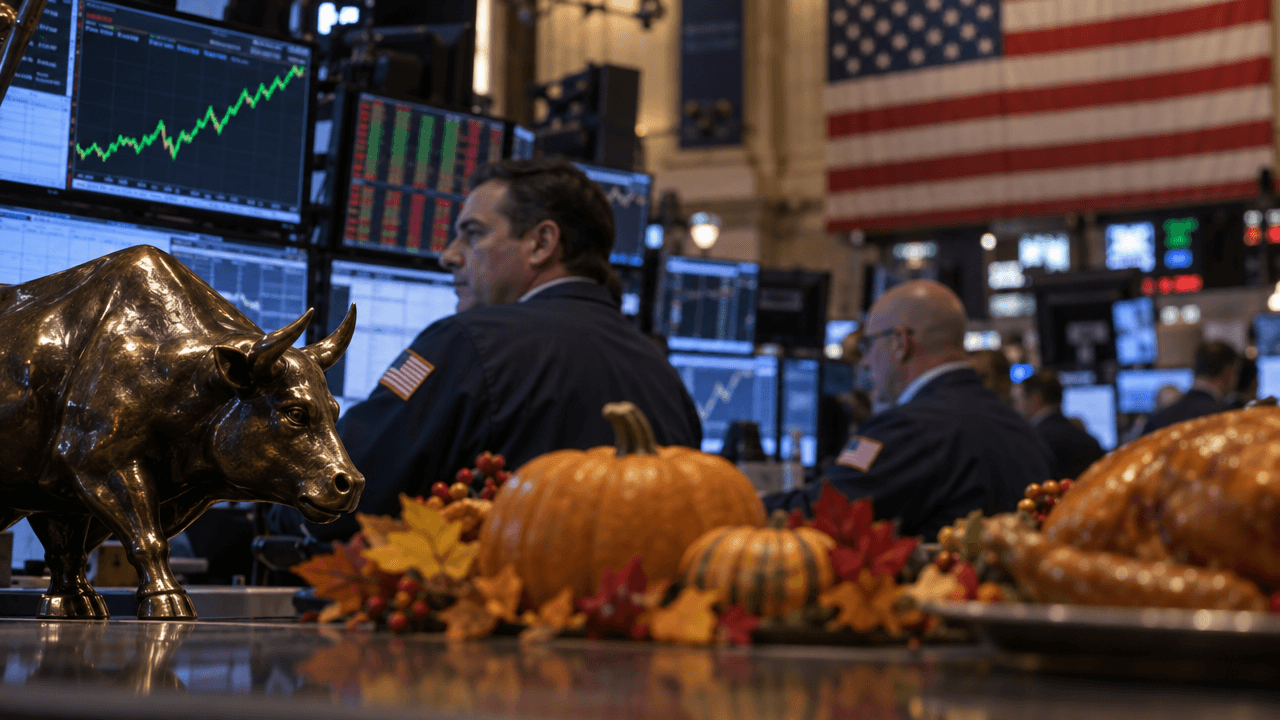
U.S. stock futures moved higher as investors reassessed the potential economic impact of newly proposed tariffs. The immediate relief came from clarification that the new measures would replace earlier tariffs rather than stack on top of them, reducing fears of a much larger increase in import costs. Nasdaq futures rose about 0.5%, while S&P 500 futures gained approximately 0.4% and Dow futures added around 0.2%. [2]
The advance is modest, but the market’s response highlights an important trading lesson: policy headlines often matter less than the details behind them. A tariff announcement can initially trigger selling, yet clarification about implementation, timing, or cumulative rates can quickly change investor expectations.
Why Tariff Clarity Matters
Tariffs influence markets through several channels. They can raise the cost of imported goods, pressure corporate profit margins, disrupt supply chains, and contribute to inflation. If businesses pass higher costs on to consumers, central banks may also face greater difficulty lowering interest rates.
The initial concern surrounding the latest U.S. proposals was that the new duties could be added to existing measures. That would have created a higher effective tariff burden for affected trading partners and potentially increased pressure on companies dependent on international supply chains.
The subsequent clarification that the proposed tariffs would replace earlier measures changed that calculation. Investors were no longer pricing in the full cumulative impact, which helped improve sentiment across equity futures. The proposals reportedly involve 14 major trading partners, including China, Japan, and the European Union. [1]
However, replacing an existing tariff does not make the issue irrelevant. Companies still face uncertainty over the final rates, affected products, exemptions, enforcement, and implementation dates. Reports indicate that the new measures may not take effect until February or March, leaving time for negotiations, public comments, and further policy changes. [7]
Why Futures Are Rising
Futures markets provide a forward-looking view of where investors expect major indexes to open. Today’s gains suggest that traders believe the tariff news is less damaging than feared, at least in the short term.
The move also follows a difficult period for technology and artificial-intelligence stocks. Recent selling in AI-related companies had raised questions about valuations, capital spending, and whether the market had become too concentrated in a small group of large technology names. A calmer tariff outlook gives investors one less reason to reduce risk.
An upward revision to third-quarter U.S. GDP also supported sentiment, providing evidence that economic activity remained more resilient than previously estimated. [2] Stronger growth can support corporate revenues, although it may also complicate expectations for future interest-rate cuts if economic strength keeps inflation elevated.
The result is a market balancing several competing forces: solid economic activity, uncertainty about monetary policy, questions around AI valuations, and renewed trade-policy risk.
Thin Holiday Liquidity Can Amplify Moves
The Thanksgiving holiday creates an unusual trading environment. U.S. stock markets are closed on Thursday, while futures and other global markets continue to trade with reduced participation. The market will also close early on Friday.
Lower liquidity means fewer orders are available to absorb large buying or selling flows. As a result, prices can move more sharply than usual, even when the underlying news is relatively limited. Holiday trading can produce convincing-looking rallies or selloffs that later fade when institutional investors return.
For traders using futures or simulated accounts, this is an important risk-management lesson. A 0.5% futures move during thin conditions does not necessarily carry the same information as a similar move during a fully staffed regular session. Price action should be evaluated alongside volume, market breadth, and follow-through after the holiday.
Practical Takeaways For Traders
First, separate the headline from the policy details. Ask whether a tariff is new, cumulative, temporary, sector-specific, or subject to negotiation. The market may react more strongly to a clarification than to the original announcement.
Second, watch the sectors most exposed to trade policy. Manufacturers that rely on imported components, retailers with global supply chains, transportation companies, and technology businesses with international production networks may experience different effects from companies with primarily domestic operations.
Third, avoid treating futures gains as confirmation that risk has disappeared. Tariff proposals can change, and the economic consequences may emerge gradually through prices, margins, and business investment.
Fourth, reduce position size when liquidity is thin. In a SimFi environment, traders can use this period to practice limit orders, stop placement, scenario planning, and disciplined risk limits without exposing real capital. A useful exercise is to build two plans: one for a continued relief rally and another for a reversal when cash markets reopen.
Finally, monitor the next major catalysts. Investors will continue to assess inflation data, Federal Reserve policy expectations, corporate guidance, and developments in U.S. trade negotiations. These factors will determine whether the futures rally develops into a broader recovery or remains a short-term reaction.
The Bigger Market Picture
The rise in U.S. futures reflects relief, not resolution. Investors have received a clearer interpretation of the tariff proposals, but the final economic impact will depend on implementation and the response from trading partners and businesses.
For now, markets appear willing to look past the latest tariff concerns, particularly as the proposed measures are not expected to stack on top of previous duties. Yet thin Thanksgiving liquidity makes the session less reliable as a signal of long-term conviction.
The most effective approach is to stay flexible. Traders should respect the positive reaction while avoiding excessive confidence, track how prices behave when normal liquidity returns, and focus on confirmed developments rather than every headline. In uncertain markets, patience and position control can be just as valuable as correctly predicting the next move.