
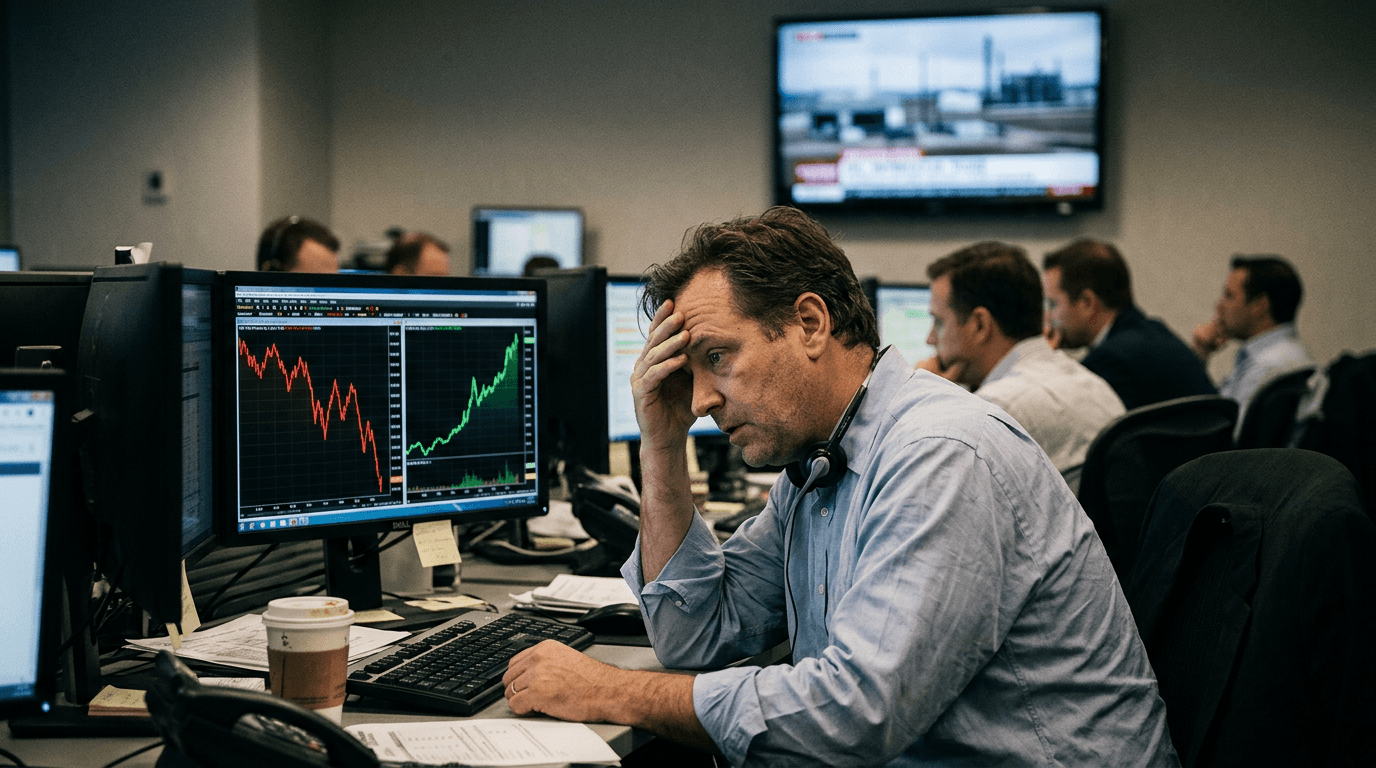
As U.S. equity futures kicked off the week, a clear risk-off sentiment dominated the markets, with all major indices experiencing declines as oil prices shot upwards. This bifurcation, characterized by dropping stock values and escalating energy prices, epitomizes a classic risk-off scenario, highlighting investors' reevaluation of exposure to uncertainties linked to mounting geopolitical tensions in the Middle East. The S&P 500 futures fell 0.8%, Nasdaq-100 futures decreased by 0.7%, and Dow Jones Industrial Average futures slipped roughly 1%. Traders are adopting a cautious stance in anticipation of crucial negotiations that are poised to influence global market trajectories in the coming days.
The Oil-driven Market Shock
At the crux of this market adjustment is crude oil, which has emerged as a key factor influencing traders' decisions across various risk assets, currencies, and safe-haven instruments. West Texas Intermediate crude oil futures soared by 8%, reaching around $90 per barrel. This upward movement aligns with the ongoing tensions between the U.S. and Iran, particularly following Iran's closure of the Strait of Hormuz. The price of Brent crude has similarly surged to heights unseen in years, driven by geopolitical developments that have raised the likelihood of supply interruptions from one of the globe's pivotal energy conduits.
The volatility in oil prices holds profound significance as it reverberates across multiple facets of the investment landscape. A sharp increase in oil prices triggers a chain reaction, affecting inflation expectations, corporate profit margins, and central bank policy deliberations. Such drastic price changes in crude oil are not merely a reflection of supply concerns; they signify a broader recalibration of geopolitical risks that investors may have previously underestimated or overlooked.
Geopolitical Risk Premium Reshaping Markets
The closure of the Strait of Hormuz extends beyond symbolic actions, posing a threat to the flow of approximately one-third of the world's seaborne oil trade. Iran's repeated announcements of blockades, coupled with U.S. military maneuvers and port blockades, have fostered an environment where the possibility of prolonged supply disruptions looms large. This scenario transcends typical market fluctuations, representing a significant tail risk that investors must now incorporate into their portfolio strategies.
What sets this situation apart is the rapid pace at which risk premiums are being reevaluated. Traders have abandoned previous positions unprepared for escalation, particularly in currency markets such as the Japanese yen, while unwinding dollar shorts as safe-haven flows are redirected. With oil prices surging by 20 to 30 percent within hours, as witnessed in recent trading sessions, the dynamics of currency markets, equity rotations, and the overall risk-reward calculus undergo a substantial transformation.
Inflation Implications And Policy Uncertainty
Beyond the immediate impact on markets, rising oil prices carry significant implications for inflation dynamics and Federal Reserve policy. Energy costs ripple through sectors like transportation, manufacturing, and agriculture, influencing the trajectory of inflation towards the Fed's 2 percent target. The surge in oil prices during a period when policymakers are already grappling with competing concerns of inflation and growth presents genuine challenges for central banks attempting to steer monetary policy.
A sustained period of elevated oil prices could expedite headline inflation figures and potentially hinder the Fed's ability to reduce rates or maintain accommodative policies. This underscores the profound connection between oil prices and equity futures, as it directly affects expectations regarding future policy decisions, which consequently impact discount rates for future corporate earnings. The uncertainty surrounding energy costs now extends to uncertainties around interest rate policies, compounding market volatility.
What Traders Should Monitor This Week
The immediate path of these markets depends on the outcome of ongoing ceasefire negotiations between the United States and Iran. U.S. officials are set to return to Islamabad for discussions aimed at extending a two-week ceasefire, yet Iran's participation remains uncertain. This diplomatic window serves as a pivotal factor that could either stabilize markets or provoke renewed escalation.
Traders should closely observe three key indicators: first, announcements regarding the scope or duration of any negotiated agreements; second, the actual response of oil prices to these announcements, as energy markets will swiftly reveal whether traders believe geopolitical risks have genuinely subsided; and third, how equity markets react once there is greater clarity on the likelihood of sustained hostilities versus diplomatic resolution.
The current market environment reflects a period of true uncertainty, where traditional correlations have disintegrated, and new risk factors have taken precedence. While risk-off sentiment currently prevails, this positioning could undergo a substantial reversal should negotiations yield progress, driving oil prices down and equities up.