
On February 28, 2026, the geopolitical landscape shifted dramatically when the United States and Israel launched coordinated military strikes against Iran in an operation that would reshape Middle Eastern power dynamics and send shockwaves through global financial markets. The unprecedented joint assault, codenamed "Epic Fury" by the U.S. and "Lion's Roar" by Israel, resulted in the death of Supreme Leader Ali Khamenei and dozens of senior Iranian officials, marking one of the most significant military escalations in the region in decades. For traders and investors monitoring SimFi markets, this event represents a defining moment where geopolitical risk directly translates into extreme market volatility and opportunity.
What Triggered The Strikes
The military operation did not emerge from a vacuum. According to U.S. officials, negotiations over Iran's nuclear program had stalled, and the Iranian regime, ignoring American red lines established after the June 2025 conflict, continued rebuilding its nuclear capabilities and developing long-range missile systems. President Trump announced that U.S. objectives centered on defending American interests by eliminating imminent threats from Iran's nuclear weapons program, missile infrastructure, and military apparatus. The strikes targeted strategic locations including Khamenei's office compound, the Ministries of Intelligence and Defense, the Parchin military complex near Tehran, and numerous regime installations across the country. Israel, meanwhile, framed the operation as necessary to remove an "existential threat" and create conditions for the Iranian people to establish a new government. The operation represented more than a tactical adjustment—it signaled a fundamental shift in American strategy toward decisive action rather than containment.
Immediate Market Disruption And Oil Surge
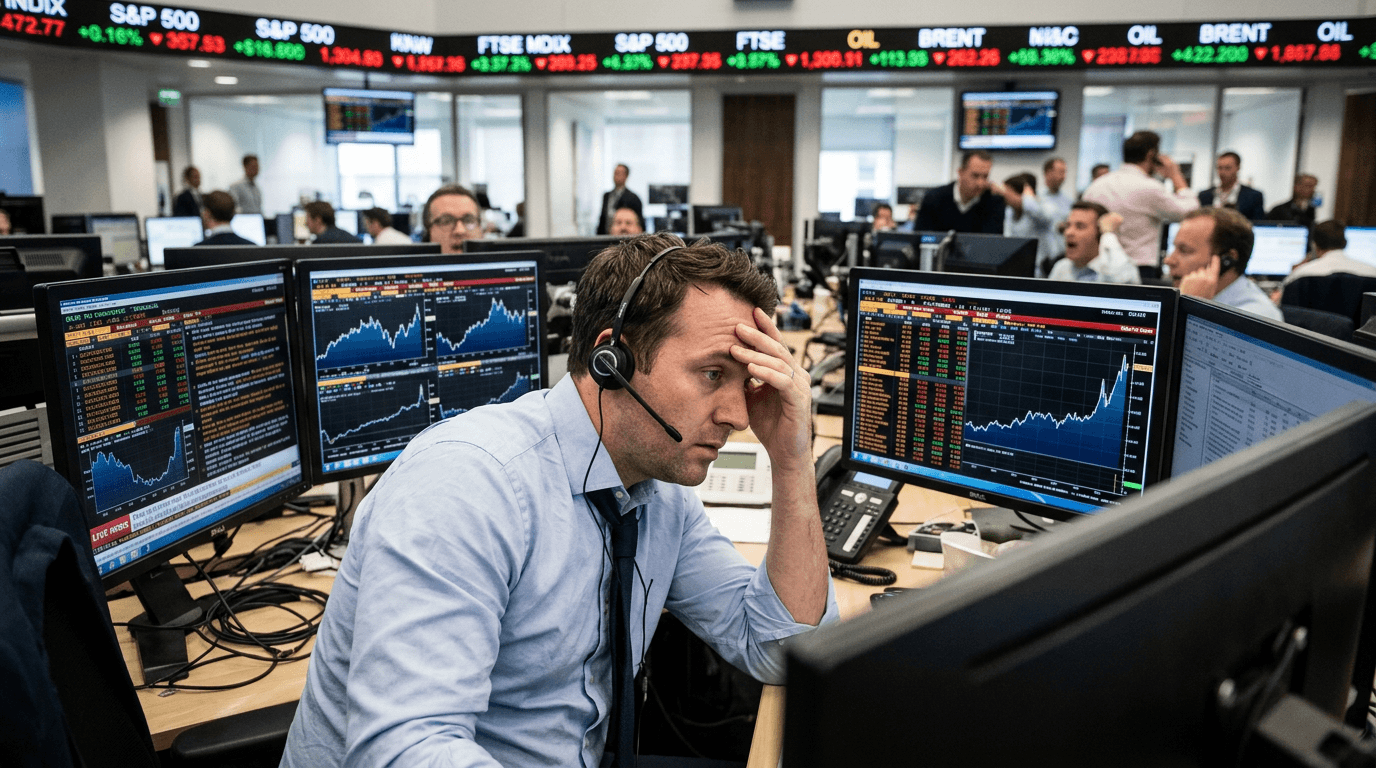
The military escalation triggered immediate and severe market reactions that SimFi traders should understand. Strait of Hormuz traffic—one of the world's most critical maritime chokepoints—experienced a catastrophic 70% collapse as shipping companies halted transits through the contested waters. This bottleneck controls approximately one-third of global maritime oil trade, making any disruption extraordinarily consequential for energy markets. West Texas Intermediate crude oil surged past $90 per barrel to multi-year highs within hours of the strikes, as traders priced in supply disruption fears and geopolitical risk premiums. This dramatic energy rally pressured broad equity markets, with investors fleeing risky assets and seeking safe havens in government bonds and precious metals. Energy futures experienced extraordinary volatility, with trading volumes spiking and bid-ask spreads widening considerably. For SimFi participants, the sharp commodity moves and inverse correlation to equities created both hedging challenges and tactical opportunities across sectors.
Escalation And Iranian Retaliation
Iran did not absorb the strikes passively. The Islamic Revolutionary Guard Corps immediately launched ballistic missiles and drones at U.S. bases and allied positions throughout the Middle East, targeting facilities in Bahrain, the United Arab Emirates, Qatar, Saudi Arabia, Kuwait, and Jordan while directing additional strikes at Israeli territory. Reports indicated that Iranian missiles struck at least 14 U.S. military bases across the region, with the IRGC subsequently claiming destruction of American radar installations and strikes against the USS Abraham Lincoln carrier strike group. Three U.S. military personnel were killed in the opening phase, marking the first American casualties. Iranian media reported that approximately 40 Iranian officials, including Defense Minister Aziz Nasirzadeh and IRGC Commander Mohammad Pakpour, were killed in the strikes. By March 1, the conflict had entered what the IRGC described as a "new phase," with reports of Iranian missiles striking commercial oil tankers in the Gulf and Strait of Hormuz. This tit-for-tat escalation pattern demonstrated that despite significant degradation of Iranian air defenses, Tehran retained sufficient military capability to retaliate meaningfully.
Implications For Traders And Investors
The strategic implications extend far beyond the immediate military theater. Israel has publicly committed to targeting any official successors to Khamenei, suggesting a prolonged campaign against Iranian leadership. Observers warn of potential deployment of Israel's "Dahiya doctrine"—a strategy involving carpet-bombing densely populated areas—which would represent severe escalation. The Iranian government, though weakened after two years of intermittent conflict, maintains substantial military resources and the demonstrated will to use them. For SimFi traders, this environment creates several critical considerations. Energy volatility will likely persist at elevated levels as market participants struggle to assess whether the U.S. intends further strikes or negotiations. The Strait of Hormuz remains at risk, making shipping and maritime insurance costs significant factors for global supply chains. Broader geopolitical uncertainty typically benefits defensive sectors like utilities and precious metals while pressuring economically sensitive equities. Currency markets may reflect increased safe-haven demand for dollar-denominated assets. Additionally, traders should monitor any signals regarding U.S. intentions toward expanding operations or pursuing negotiations, as clarification could trigger rapid repricing across all risk assets.
The Road Ahead
The coming weeks will determine whether this represents a decisive strike that fundamentally alters the Iran conflict or an opening round of sustained hostilities. Market participants must remain vigilant for developments in Iranian succession politics, additional military operations, and any diplomatic initiatives that could reshape expectations around regional stability and energy supply.