
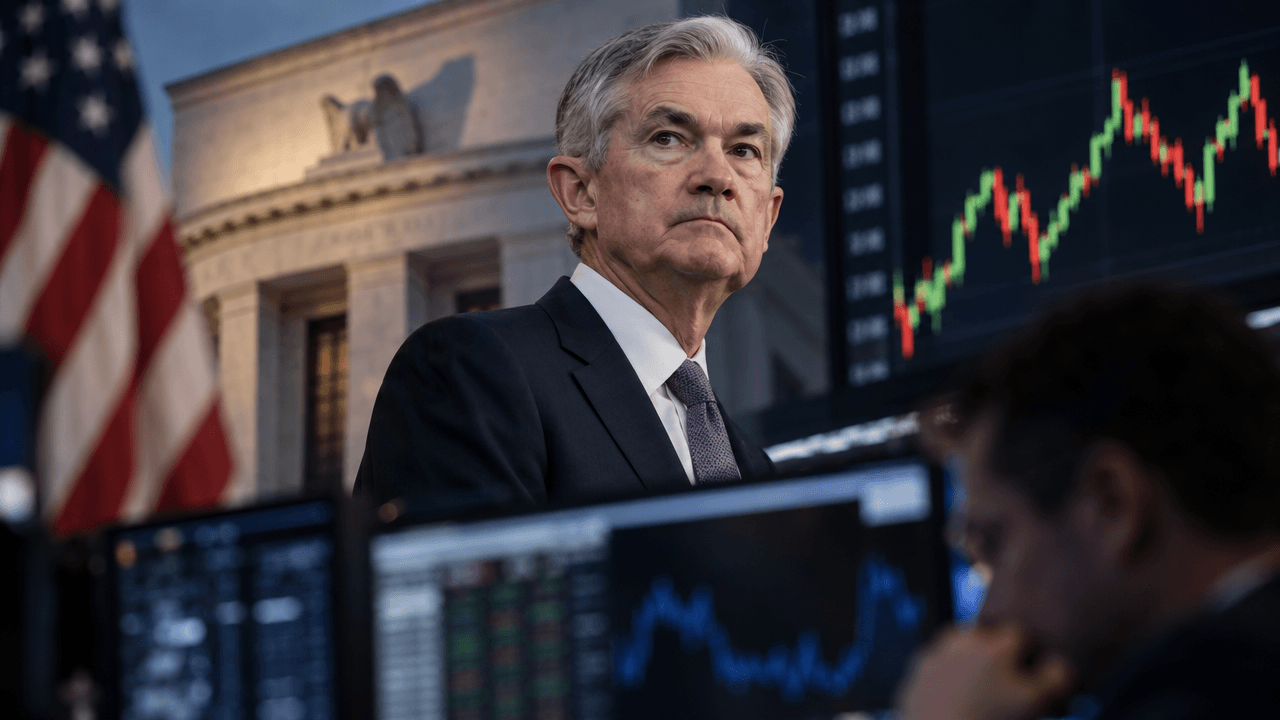
For traders in forex and futures markets, U.S. interest-rate expectations are not just another data point—they are the core narrative driving price action across currencies, bonds, and equity-index futures. As the prospect of another Federal Reserve hike in late October rises, every major release on jobs and inflation is being viewed through the lens of how it will reshape the rate path and volatility in the dollar, Treasuries, and risk assets[2][6][14].
WHY U.S. RATE EXPECTATIONS MATTER SO MUCH
The Federal Reserve’s policy rate anchors the global cost of capital, influencing everything from corporate borrowing to consumer credit and cross-border capital flows[10][12]. When traders anticipate higher U.S. rates, the relative yield advantage tends to support the dollar, pressure emerging-market currencies, and reprice risk premiums across asset classes[6][13]. Conversely, expectations of a pause or eventual cuts can weaken the dollar and spur rallies in rate-sensitive assets such as growth equities and long-duration bonds[7][10].
Today, Fed funds futures and related tools imply a significant probability of a quarter-point hike at the late-October meeting, with market-implied odds often clustered around the 60–70% range depending on incoming data[2][6][14]. The current target range near 4% provides a high starting point, so even a single additional hike can meaningfully adjust forward curves and volatility assumptions[12]. For traders, the story is less about the level of rates and more about whether the path is still “higher for longer” or approaching a plateau.
JOBS DATA AND THE WEEKLY “RATE NARRATIVE”
Monthly U.S. employment releases—especially nonfarm payrolls—have become the key catalyst for updating rate expectations[2][6][14]. Strong job growth and resilient labor demand suggest that the economy can absorb tighter policy, reinforcing the case for additional hikes and pushing yield curves higher[2][6]. Softer payrolls or rising unemployment, by contrast, can quickly pare back hike probabilities and boost expectations for an eventual policy pivot[6][10].
In the current environment, a dense calendar of labor indicators—job openings, weekly claims, and the headline payrolls report—means rate expectations can shift meaningfully from one trading session to the next[2][6][11]. Each release feeds directly into futures pricing and option-implied probabilities, translating into intraday volatility in major FX pairs such as EUR/USD, USD/JPY and GBP/USD, alongside sharp moves in Treasury futures and equity-index futures[6][14]. For both discretionary and systematic strategies, staying synchronized with this evolving narrative is essential.
The Role Of Fed Officials And Communication
Beyond data, speeches and interviews from Fed officials like Governor Bowman and regional presidents such as Barkin often act as real-time guidance on how the Committee is interpreting the latest numbers. A hawkish tone—emphasizing inflation risks and the need to keep policy restrictive—can push rate futures to price in higher odds of near-term hikes, while a more balanced or dovish tone can calm markets and lower implied probabilities[7][10][15].
Tools such as CME’s FedWatch and similar Fed rate monitor dashboards translate futures prices into easily digestible probability distributions for each FOMC meeting[4][9]. Traders can see in percentage terms how likely the market believes a hike, pause, or eventual cut is, and then compare that to official projections like the Fed’s dot plot[9][10]. When Fed communication diverges from market pricing—either more hawkish or more dovish than implied by futures—volatility in the dollar, rates, and index futures often spikes as traders adjust positions[4][9][10].
FUTURES MARKETS AS THE “X-RAY” OF RATE EXPECTATIONS
Fed funds futures, SOFR futures, and Treasury futures provide a transparent window into how professional traders are discounting the path of U.S. rates[4][9][13]. By converting futures prices into implied yields, one can infer where markets expect the policy rate to be at specific points in time[4][9]. For example, a SOFR futures contract trading below par may reflect expectations of at least one 25-basis-point increase over the coming year, with each incremental decline indicating a higher implied rate path[13].
This expectations curve matters directly for currency and equity-index futures because it shapes relative valuations and risk premia[6][10]. Higher expected policy rates generally mean a stronger dollar and a higher discount rate applied to future earnings, often leading to pressure on growth and tech-heavy indices[6][10]. Conversely, a flatter or lower expected rate path can support higher equity valuations and a more constructive environment for carry trades and risk-on strategies in FX[7][10].
Practical Takeaways For Forex And Futures Traders
1. Anchor your macro view in the rate path Before designing a strategy, traders should build a simple framework of where the Fed funds rate is now and what futures markets imply for the next several meetings[4][9][12]. This provides a baseline for assessing whether a currency or index is priced for a more hawkish or dovish scenario than seems likely.
2. Treat key data days as “event risk” Nonfarm payrolls, CPI, PCE and major Fed speeches should be treated like scheduled events with known timing but unknown outcomes[2][6][11]. Position sizes, leverage and stop-loss levels should reflect the potential for a repricing in rate expectations and associated volatility in FX and futures.
3. Use probability tools, not just headlines Rather than reacting to headlines alone, traders can use rate probability dashboards derived from Fed funds futures to see how the market is shifting its views over one day, one week and one month[4][9]. Sudden changes in implied odds—for example, a move from 40% to 70% chance of a hike—often precede large price swings in the dollar and rate-sensitive assets[2][6][14].
4. Simulate scenarios before trading live On a SimFi platform, traders can stress-test strategies under different rate narratives: “another October hike,” “extended pause,” or “earlier pivot.” Simulating forex pairs, Treasury futures and equity-index futures under each scenario helps clarify how sensitive a given strategy is to changes in the rate path, without risking real capital.
Navigating The Current Environment
As markets weigh robust employment data against lingering inflation concerns, U.S. rate expectations will remain central to trading decisions in FX and futures through the October meeting and beyond[2][6][14]. The combination of high starting rates, credible odds of another hike, and active Fed communication creates a landscape where macro narratives can shift quickly, but are still grounded in observable probabilities and data[4][9][10].
For traders, the edge lies not in predicting every data point, but in systematically integrating rate expectations into risk management, position sizing and scenario analysis. By treating U.S. rate expectations as the primary macro driver—then layering on technicals, sentiment and cross-market relationships—both beginners and experienced participants can better understand, and potentially capitalize on, the volatility that lies ahead.