
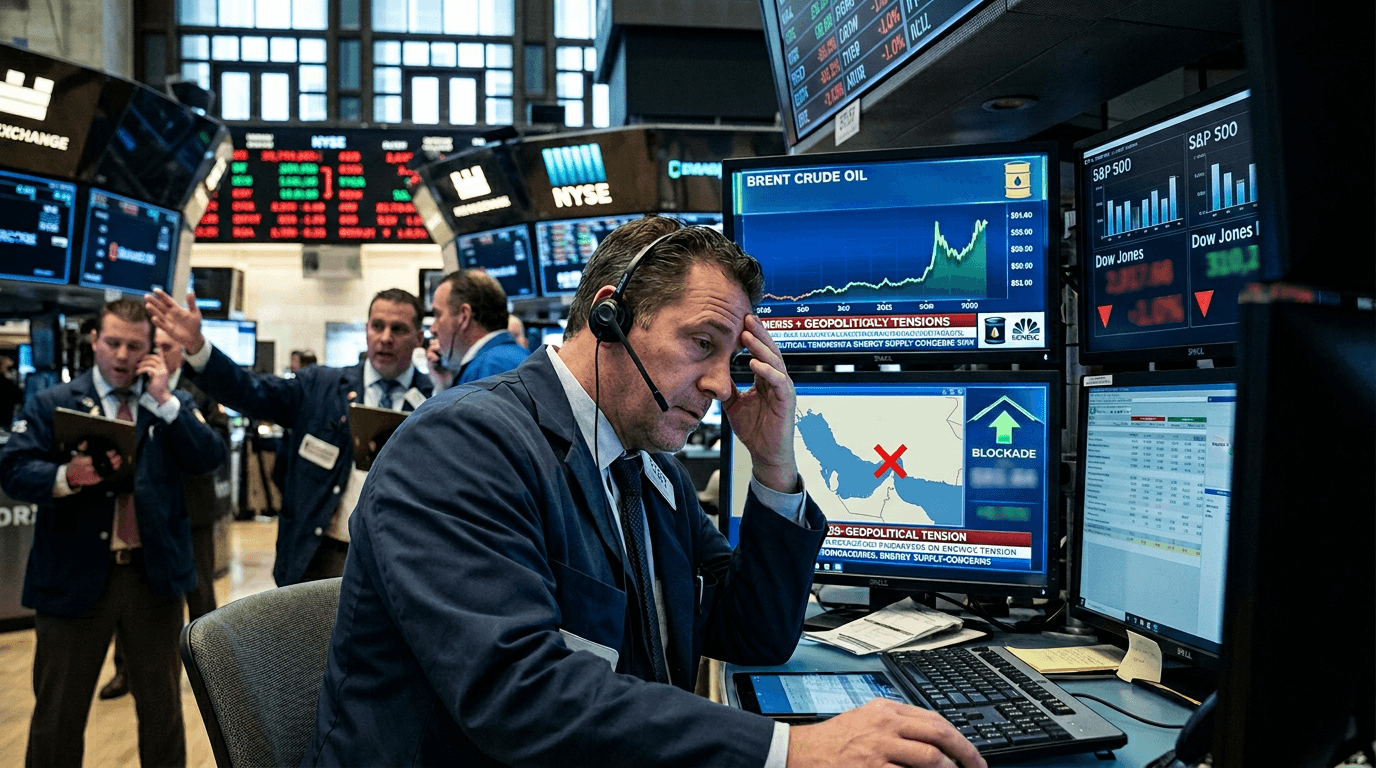
The global oil market is in chaos, and equities are feeling the heat. The escalation of the US-Iran conflict has led to significant supply disruptions, igniting a market shock that cannot be overlooked. West Texas Intermediate crude has surged nearly 9% to $81.64 per barrel, and Brent crude has reached $85.85—levels not seen since the summer of 2024.[1][2] Concurrently, US stock indexes have fallen by approximately 1% as investors reassess profit margins and consumer spending in a climate of rising inflation.[1] This isn't a momentary glitch or speculative bubble; it's a profound supply crisis with real consequences across financial markets.
The Oil Surge That Shook The Market
The surge in oil prices is directly linked to the escalating military conflict between the US and Iran.[1][2] Following threats from President Trump against Iran's energy infrastructure, Iran retaliated by targeting key oil facilities and shipping routes. The situation worsened when Iran closed the Strait of Hormuz, a crucial chokepoint for nearly 20% of the world's oil supply.[1] With US airstrikes continuing, this has developed into a global supply crisis rather than a localized dispute.
The severity of this situation is underscored by the scale of the supply disruption. Analysts estimate that US and Iranian actions have removed around 10 to 11 million barrels per day from the market.[2] Given a global market that typically trades about 100 million barrels daily, this represents a significant shock. The physical crude oil market is under stress, with Asian refiners paying unprecedented premiums for alternative supplies. Norwegian Johan Sverdrup crude is trading at a premium of $11.80 per barrel over Brent, highlighting buyer desperation.[2]
The Pressure On Equities
The weakness in equity markets is not baseless panic—it reflects real concerns about stagflation, the perilous mix of high inflation and economic stagnation.[2] When energy prices spike, they create immediate inflationary pressure that affects supply chains and consumer spending. At the same time, high energy costs dampen economic growth expectations as businesses face increased operational costs and consumers cut back on spending.
Financial markets have responded predictably with a shift towards risk-off behavior.[1] US stock indexes fell as investors reassessed profit margins in an inflationary environment. Safe-haven assets have rallied; gold has surged as a refuge from stagflationary risks, and Treasury bonds have gained as portfolios move from equities to perceived safer fixed-income options.[1] This is a classic reaction to geopolitical shocks: investors flee growth assets and seek protection in defensive positions.
The implications for equity valuations are significant. Lower expectations for Federal Reserve rate cuts suggest markets anticipate extended monetary tightness, creating headwinds for equities reliant on lower rates for valuation support.[2] When the central bank maintains higher rates to combat inflation, multiple compression accelerates, and earnings expectations grow more uncertain.
What This Means For You
Understanding the drivers behind these price movements is crucial. This is about real supply constraints, not market speculation or dysfunction.[1][2] The oil infrastructure disruptions and port closures are tangible, reinforcing the staying power of high energy prices and indicating this is not a tradable dip that will quickly reverse.
Expect continued volatility while the Strait of Hormuz remains closed.[1] Each headline about escalation or negotiation will cause sharp market swings. Position sizing and risk management are critical in this environment. Traders with concentrated positions in economically sensitive sectors face significant risks, while those with diversified portfolios, including commodities and defensive assets, are better prepared to weather the storm.
Geopolitical risk premiums are now an enduring component of market pricing.[1] The assumption that Middle East tensions were isolated has been disproven. Global financial markets are interconnected, turning regional conflicts into worldwide crises. Investors must actively monitor developments and stress-test portfolios for further escalation scenarios.
Looking Ahead
The 9% rise in oil prices isn't the end of this adjustment—it might be just the beginning.[1] As supply remains tight and uncertainty persists, the financial landscape will continue to evolve. Government interventions through strategic reserve releases might offer some relief, but they cannot resolve underlying geopolitical risks.[2]
For traders, this environment presents both significant risks and real opportunities—but only for those who grasp the underlying dynamics. The key is recognizing that this shock stems from actual physical disruptions to global energy supply, not financial engineering or speculative positioning. Successful navigation requires acknowledging stagflation risks, adhering to position sizing discipline, and maintaining flexibility to adapt as the geopolitical situation unfolds. The message is clear: energy security is now central to portfolio construction.