
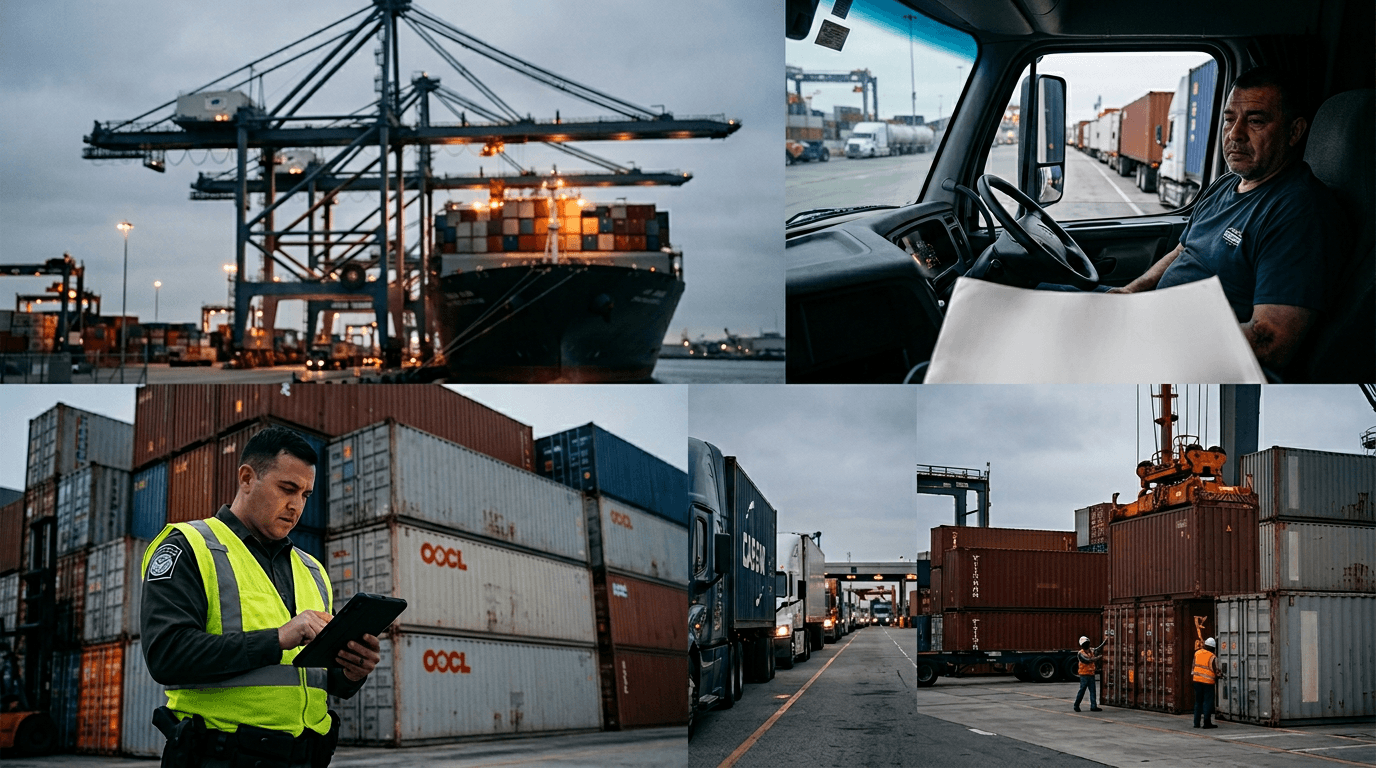
US-China Trade Tensions Reach New Heights with 145% Tariff Hike
In April 2025, tensions between the United States and China intensified dramatically when President Trump's tariff announcement took global markets by surprise. Initially perceived as a 125% tariff on Chinese imports, the White House later clarified that the actual figure was 145% due to the inclusion of an existing 20% duty on fentanyl-related products. This sharp tariff increase has significantly altered trade dynamics, influencing market behaviors, currency valuations, and economic forecasts across various asset classes.
Decoding the Tariff Complexity
The 145% tariff reflects the strategic intricacies of the Trump administration's trade policy. On April 9, 2025, Trump declared a 125% duty rate on imports from China, Hong Kong, and Macau. A day later, the White House added clarity, revealing this figure excluded the pre-existing 20% tariff aimed at curbing fentanyl trafficking. Together, these tariffs formed the attention-grabbing 145% rate, which took effect on April 10, 2025, immediately impacting supply chains and pricing structures. This tariff landscape extends beyond China, as a 10% reciprocal tariff on all other countries was also implemented during a 90-day pause period.
Contextualizing the Broader Tariff Landscape
To grasp the 2025 escalation fully, it's crucial to consider the broader context. By May 2025, average US tariffs on Chinese exports had reached 127.2%, later adjusted. US tariffs have soared to over 15 times their levels before the US-China trade war began in 2018. During Trump's first term from January 2017 to January 2021, average tariffs on Chinese imports rose by 16.2 percentage points. In contrast, the second Trump term witnessed an increase of 26.8 percentage points in just months, highlighting the rapid pace of policy changes and escalating economic uncertainty.
China's Retaliation and Its Market Impact
In response, China imposed 84% retaliatory levies on all US imports. By mid-April 2025, Chinese tariffs on US exports peaked at an average of 147.6%, creating a near-symmetric trade war environment. While China expressed a preference for avoiding trade wars, it stood firm against US tariff actions. The immediate market consequences were substantial, with the Chinese yuan facing intense pressure as investors recalibrated to the new risk landscape.
The financial implications extended beyond trade. Research from The Budget Lab at Yale estimated Trump's tariffs would cost average American households roughly $4,700 annually, significantly impacting consumer spending and economic growth. For Chinese exporters, the disruption to $300 billion in annual US-China trade posed severe challenges, including potential factory closures and financial system stress from unpaid loans. The interconnected nature of global supply chains means tariff impacts reverberate across sectors and geographies.
Strategic Considerations and Future Prospects
Market participants should note that Trump described the initial tariff increases as a "deterrent card," indicating a willingness to renegotiate. The administration signaled it would maintain higher tariffs if trading partners failed to reach agreements during the temporary suspension period. Following a May 2025 meeting in Geneva, US and Chinese officials agreed to reduce their cumulative bilateral tariff increases to 10%, lowering average US tariffs on Chinese imports from 127.2% to 51.8%.
Xi Jinping's strategy of fostering a "shared future with neighboring countries" aims to mitigate trade war impacts through enhanced engagement with South and Southeast Asia. This geopolitical shift has implications for regional trade flows and potential alternative supply chain routes.
Key Takeaways for Market Participants
The 145% tariff announcement marks a pivotal moment in modern trade policy, signaling a shift toward protectionism and reshoring strategies. The evolving tariff environment presents both risks and opportunities for traders and investors. Currency traders should closely monitor CNY volatility, while equity investors must reassess supply chain exposure. Commodity traders should consider how tariff uncertainty affects demand across metals, energy, and agricultural sectors. Macroeconomic forecasters must acknowledge that trade policy now ranks among the most significant factors influencing near-term growth trajectories for both developed and emerging economies.
The 2025 tariff escalation underscores that geopolitical and trade policy decisions can trigger market-moving consequences akin to major monetary policy shifts or significant earnings surprises.
NEWSIMPACTSCORE: 8