
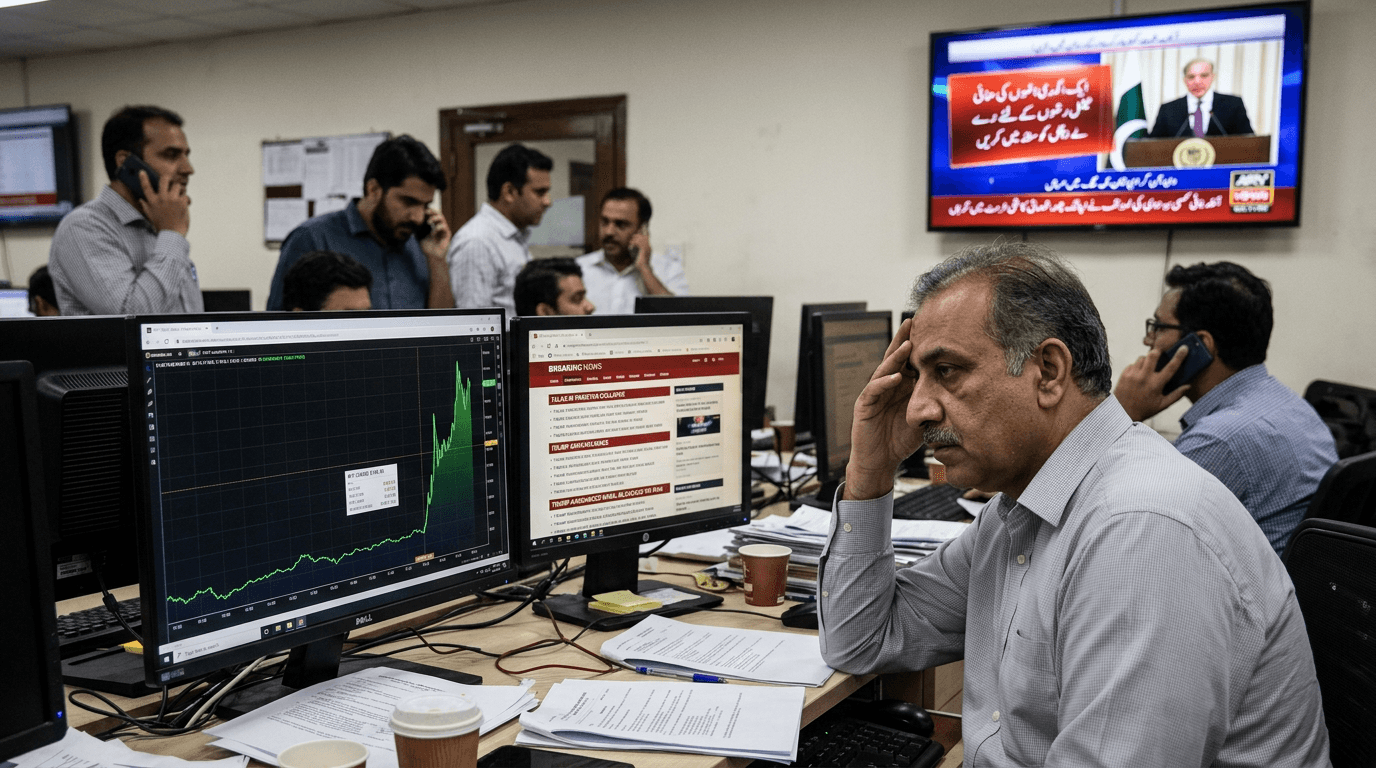
Iran-US Negotiation Breakdown Sparks Market Turmoil: Crude Oil Surges Past $100
The high-stakes peace talks between the United States and Iran in Islamabad have reached an impasse, sending ripples through global markets as crude oil prices climb above $100 per barrel. After 21 hours of intense discussions mediated by Pakistan, Vice President JD Vance announced the departure of American negotiators without a deal, citing Iran's rejection of critical U.S. demands related to nuclear weapons development and regional security. This collapse marks a pivotal moment for geopolitical stability, with immediate consequences for those tracking energy markets, currency pairs, and risk assets.
Irreconcilable Differences Undermine Negotiations
The negotiations faltered over several non-negotiable differences. The U.S. demanded the complete cessation of uranium enrichment, the dismantling of major enrichment facilities, access to Iran's highly enriched uranium, an end to funding regional militant groups, and toll-free access through the Strait of Hormuz. Iran, led by negotiator Esmail Baghaei, dismissed these demands as severe infringements on its sovereignty, viewing them as excessive limitations on its rights. Conversely, the U.S. argued these measures were vital to curbing nuclear proliferation and maintaining regional stability.
Geopolitical Escalation and Market Reactions
In the aftermath of the talks' failure, the Trump Administration announced a naval blockade of the Strait of Hormuz, set to commence on April 13. This crucial maritime chokepoint handles roughly 20% of the world's energy supplies, making it essential for global commerce. The blockade announcement spurred a sharp increase in crude oil futures, pushing prices beyond $100 per barrel. For traders and investors in the SimFi domain, this event represents a significant market mover, impacting multiple asset classes. Energy equities, petroleum-linked currencies, and commodity futures witnessed notable volatility as market players reassessed geopolitical risks.
Trust Deficit and Diplomatic Stalemate
Analysts point to a deep-seated trust deficit as a key barrier to progress, with both sides entering negotiations with entrenched positions shaped by past military escalations and failed diplomatic efforts. Iran's negotiators carried reminders of civilian casualties, while both parties accused each other of inflexibility. The contentious atmosphere, marked by emotional and strategic tensions, highlighted how such factors can thwart rational compromise. This breakdown underscores the fragility of geopolitical stability, suggesting elevated crude prices may persist in the medium term.
Energy Markets and Trading Opportunities
The rise in crude oil prices above $100 per barrel holds significant implications for SimFi traders focused on energy markets. The blockade announcement introduces supply-side uncertainty, typically supporting sustained high prices. Traders should closely monitor developments in the Strait of Hormuz, statements from regional actors including Pakistan and Gulf states, and any potential resumption of negotiations. Energy-related currency pairs involving the US Dollar, Iranian Rial proxies, and Gulf state currencies are experiencing increased volatility. While risk-off sentiment initially dominated market positioning, selective recovery in commodity-linked assets indicates traders are also positioning for inflation hedges and geopolitical stability premiums.
Future Outlook and Negotiation Prospects
Despite the lack of agreement, both Iran and Pakistan have indicated that diplomatic channels remain open. Pakistan's Prime Minister Shehbaz Sharif, instrumental in brokering the initial ceasefire, continues efforts to revive negotiations. Iran's President has shown openness to renewed talks if Washington revises its stance, while Parliament Speaker Mohammad Bagher Ghalibaf warned against further pressure. The current ceasefire's fragility and ongoing blockade threat create an unstable environment where policy shifts could dramatically impact asset prices.
For SimFi traders and investors, the priority is to monitor three critical signals: potential resumed negotiations, any military escalation in the Strait of Hormuz, and crude oil price movements in relation to technical resistance levels. The talks' failure highlights how geopolitical deadlocks can endure even under intense diplomatic pressure, indicating that elevated energy prices and volatility may persist without substantive policy changes from either side. A defensive positioning strategy, coupled with vigilance for breakout opportunities, appears prudent for the upcoming trading sessions.
NEWSIMPACTSCORE: 9