
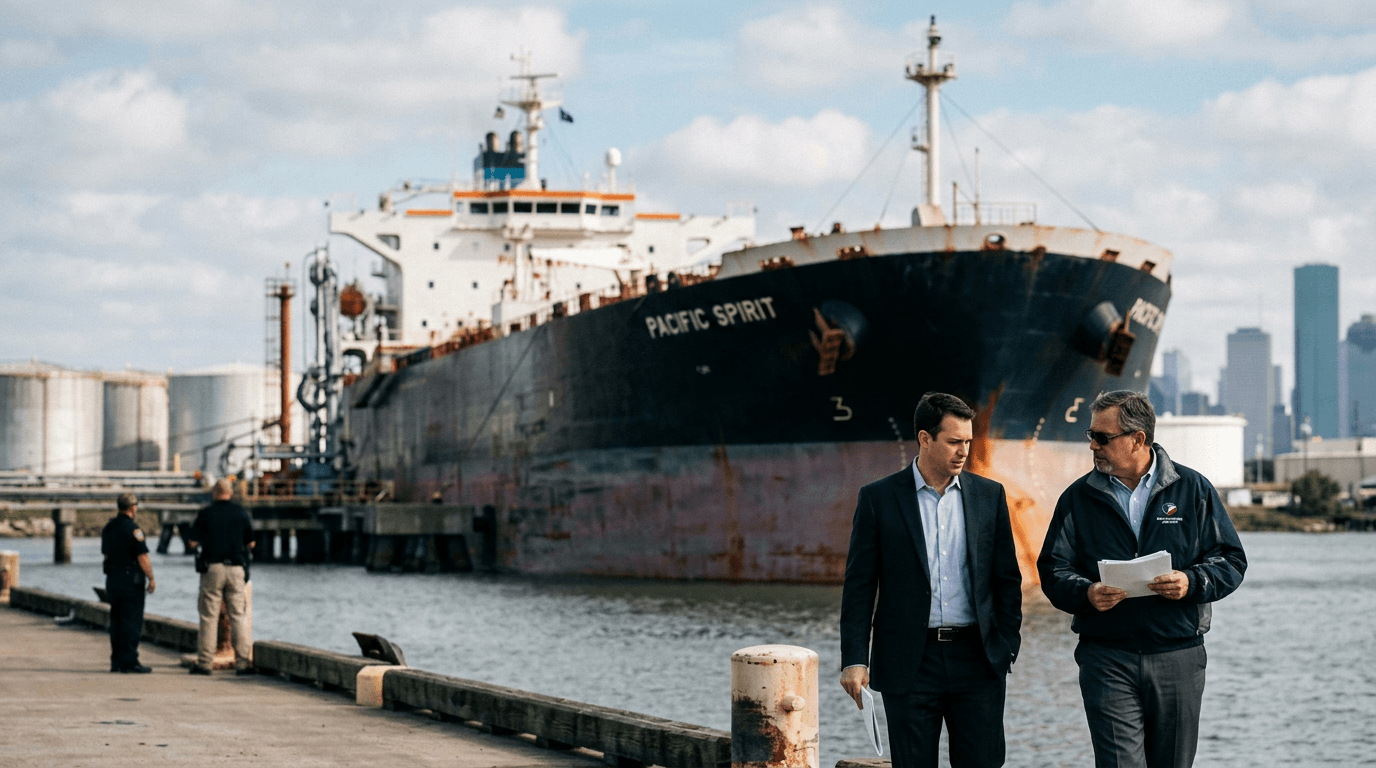
The confirmation that Washington and Tehran have finalized and electronically signed a memorandum of understanding (MoU) ends immediate hostilities but falls well short of a true normalization, and markets are trading it that way. Iran’s refusal to discuss its missile program, export nuclear material, or waive potential fees in the Strait of Hormuz keeps a meaningful geopolitical risk premium embedded in crude, refined products, and energy-sensitive currencies.
Geopolitics: A Deal That Stops Short Of De-escalation
Based on details emerging from mediators and officials, the MoU is best understood as a structured ceasefire with a diplomatic roadmap, not a fully fledged peace agreement.[1][3][5] It calls for an immediate halt to military operations on all fronts and the lifting of the U.S. naval blockade, combined with a reopening of the Strait of Hormuz for commercial shipping.[1][3][5] In parallel, it sets up a roughly 60‑day window for further technical talks over sanctions, nuclear constraints and oil flows.[1][2][5][6]
Earlier drafts circulating among diplomats suggested a more generous framework for shipping, including rapid restoration of pre‑war traffic volumes through Hormuz and discussions around toll-free passage.[1][3] Tehran’s latest stance — explicitly ruling out waivers on Hormuz fees, missile negotiations and the export of nuclear materials — signals that it intends to keep leverage on three core pillars: regional deterrence, the nuclear file, and the strategic choke point for oil exports.
Analysts have highlighted that an MoU is not a binding international treaty; it is essentially an agreement to keep talking under a ceasefire umbrella.[3] That nuance matters for markets. A binding deal that verifiably capped Iran’s nuclear program, demilitarized regional flashpoints and fully normalized shipping would have justified a much sharper compression in risk premia. Instead, traders are left with a fragile, reversible pause in hostilities.
WHY THE OIL RISK PREMIUM ISN’T GOING AWAY
Oil prices incorporate not just current supply and demand, but also an insurance-like “risk premium” for the probability of future disruptions. When a major producer or key transit route is at risk, futures curves often price in extra dollars per barrel relative to what fundamentals alone would imply.
This MoU reduces tail risks of a near‑term military escalation that shuts Hormuz outright, but it does not remove the structural risk that flows could be constrained, taxed, or weaponized later. Tehran’s insistence on retaining control over fees and “management” of Hormuz keeps the possibility of future frictions alive.[3] Its refusal to broaden talks to missiles or nuclear material exports reinforces the perception that the underlying strategic confrontation remains unresolved.
For crude and refined product futures, that translates into:
1. A stickier geopolitical premium in the front of the curve. Near‑dated contracts remain sensitive to any sign that the ceasefire is fraying or that compliance is in doubt. Optionality around quick disruption is still valuable, which can keep prompt spreads tighter than they would be in a benign scenario.
2. Persistent demand for upside protection in options. Traders wary of surprise flare‑ups may continue to bid for call options on crude and diesel, maintaining elevated implied volatility compared with a world of durable de‑escalation.
3. A more complex reaction across benchmarks. If Iranian barrels gradually return under sanctions waivers, headline supply increases, but the risk that those barrels can be shut in again adds a “reversibility” discount. This tug‑of‑war between higher volumes and higher risk is what keeps prices supported rather than collapsing on peace headlines.
Energy Futures And Petro-fx: How Markets Are Repricing
Energy futures are already reflecting the dual nature of the MoU: relief that the worst‑case scenario has been averted, alongside recognition that the underlying conflict is not settled.[3][5][6] Near‑term volatility around the Strait of Hormuz — through which a large share of global seaborne crude and LNG exports flow — remains a dominant driver of risk pricing.
Refined product markets are particularly sensitive. If shipping disruptions persist or fees rise, middle distillates like diesel and jet fuel face tighter effective supply, especially into Europe and Asia. Crack spreads (the margin between crude and refined products) can therefore remain elevated even if headline crude prices stabilize.
Beyond oil, the agreement is also moving petro‑FX — currencies of oil‑exporting countries like the Canadian dollar (CAD) and Norwegian krone (NOK). When oil’s risk premium rises, it often supports these currencies through several channels:
- Stronger expected export revenues: Higher realized and expected oil prices improve terms of trade and fiscal outlooks for exporters.
- Portfolio flows: Global investors may reweight toward markets perceived as benefiting from higher energy prices.
- Rate expectations: Central banks in commodity‑linked economies may face less pressure to cut aggressively if higher oil supports growth and inflation.
However, the impact is nuanced. If the MoU shifts risk from “imminent supply shock” to “slow‑burn geopolitical overhang,” energy prices may be higher but more volatile. That can complicate central bank reactions and trader positioning in CAD and NOK, which often move with, but not perfectly in line with, crude.
Trading Implications: Risk Management Over Prediction
For traders, the key lesson from this MoU is that geopolitical risk is being repriced, not removed. Instead of betting on a one‑way resolution, it is often more robust to structure strategies around scenarios and hedges:
- Differentiate between headline risk and structural risk. Short‑term rallies or selloffs driven by MoU headlines may fade quickly, but the underlying risk premium tied to unresolved issues can persist for months.
- Watch the physical signals, not just the politics. Tanker traffic through Hormuz, insurance costs, and reported loading programs from regional producers offer real‑time confirmation of whether the ceasefire is translating into smoother flows.
- Use options to manage tail events. Given the non‑binding nature of the MoU and Iran’s determination to preserve leverage, out‑of‑the‑money options in crude, products, and petro‑FX can be an efficient way to protect against sudden reversals.
- Integrate cross‑asset views. Moves in energy futures, credit spreads for energy companies, and CAD/NOK often reinforce or contradict each other. Aligning positions across these markets can help avoid being long risk in one asset and short in another without realizing it.
For those practicing in simulated environments, this is an ideal backdrop to test frameworks for trading geopolitical volatility: building scenarios, setting clear invalidation levels, and stress‑testing portfolios against both escalation and de‑escalation pathways.
Conclusion: Pricing A Fragile Peace
The US–Iran MoU delivers immediate relief to oil markets by halting open conflict and partially normalizing shipping, but it stops far short of the comprehensive settlement that would erase the geopolitical risk premium. By ring‑fencing missile issues, nuclear material exports and control over Hormuz fees, Tehran has made clear that leverage will be retained — and markets are assigning a price to that choice.
For energy futures, that means a world where baseline supply risks are lower than they were at the height of the conflict, yet still high enough to support elevated prices and volatility. For petro‑FX, it means continued sensitivity to every development in the Gulf, as higher but unstable energy prices feed through to currencies like CAD and NOK.
In this environment, disciplined risk management, cross‑asset awareness and a clear understanding of how geopolitical narratives translate into pricing are more important than trying to guess the next headline. The MoU may have paused the shooting, but it has not ended the market’s need to pay for insurance against what happens next.