
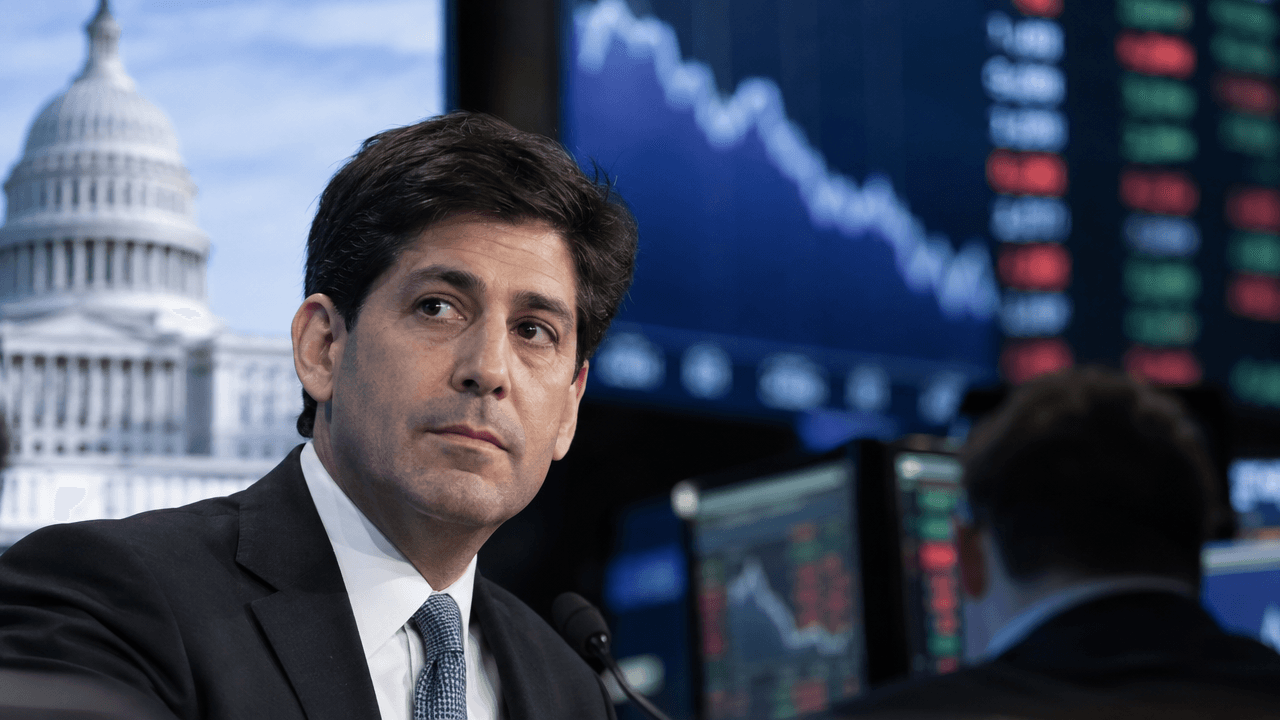
Markets were looking for a clear signal from Federal Reserve Chair Kevin Warsh. Instead, they received a reminder that the central bank is keeping its options open. Warsh declined to preview the Fed’s decisions at its upcoming October and December meetings, saying he does not “prejudge” meetings or announce in advance what he might do. [2]
The response was initially cautious, but the broader market reaction leaned toward relief. Traders reduced expectations for an aggressive rate increase, the US dollar eased, Treasury yields moved lower, and risk-sensitive assets found support. The shift shows how strongly markets can react not only to what a central banker says, but also to what the central banker avoids saying.
The Fed Leaves The Next Move Data-dependent
Warsh’s comments did not eliminate the possibility of a rate hike. Instead, they reinforced a data-dependent approach. He emphasized that the Federal Reserve had made price stability a priority and had already “removed a dose of accommodation” about a month earlier. [1]
That message matters because recent inflation data had encouraged traders to price in a more aggressive policy path. September consumer prices rose 3.7% from a year earlier, while core inflation, excluding food and energy, increased 2.6%. Both readings were viewed as uncomfortably firm and above expectations. [14]
Under normal circumstances, hotter inflation would push bond yields and the dollar higher as markets anticipate tighter monetary policy. However, Warsh did not use his platform to reinforce that interpretation. Without a direct signal that a hike was imminent, traders reassessed the probability of an immediate move.
Market pricing placed the chance of an October rate increase at approximately 15% after Warsh’s remarks, down from more than 25% the previous day. [1] Expectations can change quickly, particularly when investors are forced to interpret incomplete guidance.
Why The Dollar Eased
Interest-rate expectations are one of the most important short-term drivers of currency markets. When investors expect US rates to rise relative to rates elsewhere, dollar-denominated assets generally become more attractive. That can support the dollar as global investors seek higher returns.
The opposite dynamic appeared after Warsh’s comments. With traders reducing the expected probability of an immediate hike, the dollar lost some of its recent support. A softer dollar can also improve conditions for commodities priced in US currency because buyers using other currencies face a lower effective cost.
Gold benefited from the same combination of factors. The metal is non-yielding, meaning it does not pay interest or dividends. When Treasury yields decline, the opportunity cost of holding gold can fall. A weaker dollar provides an additional tailwind. Recent market reporting linked gold’s gains to both lower yields and a softer dollar, even as inflation remained elevated. [5]
For traders, the lesson is that a strong inflation report does not automatically create a stronger dollar. The market must also consider how central-bank officials interpret the data and whether their communication changes the expected policy path.
Treasury Yields And Risk Assets Find Support
Treasury yields fell as markets scaled back expectations for a near-term rate increase. Short-dated government bonds are especially sensitive to central-bank expectations, while longer-term yields also respond to inflation, economic growth, and the supply of government debt.
Lower yields can support equities and other risk assets by reducing financing costs and improving the relative appeal of future corporate earnings. They can also encourage investors to move away from cash-like instruments and toward stocks, credit, and other assets with greater return potential.
However, the reaction should not be confused with a change in the Fed’s inflation objective. Warsh did not signal that inflation had been defeated or that policy would become easier. He simply avoided committing to a specific decision. That distinction is important. A market rally based on reduced hike expectations can reverse if upcoming data show that inflation is accelerating again.
What Traders Should Watch Next
The next market moves are likely to be driven by economic data rather than speeches. With less forward guidance from the Fed chair, reports on inflation, employment, consumer spending, and economic growth may generate larger reactions in short-dated Treasury yields and the dollar. Analysts have warned that reduced guidance shifts more responsibility onto incoming data and can increase volatility around major releases. [4]
Traders should also monitor the difference between headline and core inflation. Headline figures can be influenced by energy and food prices, while core inflation may provide a clearer view of persistent price pressures. Neither measure should be considered in isolation, but the direction and breadth of price increases will be central to the Fed’s decision-making.
For SimFi traders, this is an opportunity to practice scenario planning. One scenario involves softer inflation and weaker employment, which could push yields and the dollar lower while supporting gold and equities. Another involves renewed inflation pressure, which could revive rate-hike expectations and strengthen the dollar. A third possibility is a mixed set of data, producing sharp, two-way price action rather than a clear trend.
Practical Takeaways For Simfi Traders
Avoid treating central-bank headlines as automatic buy or sell signals. First identify which asset is most directly affected: short-term Treasury yields, the dollar, gold, or equity indexes.
Track cross-market confirmation. A weaker dollar accompanied by falling yields and rising gold can signal easing expectations. If the dollar rises while yields climb, markets may instead be preparing for tighter policy.
Use defined risk before major data releases. Uncertainty around the Fed’s next decision can produce fast price changes, wider spreads, and false breakouts.
Most importantly, distinguish between reduced expectations for an immediate rate hike and a genuinely easier Fed. Warsh’s remarks provided no clear promise of lower rates. They simply left the decision open.
Conclusion
Kevin Warsh’s refusal to offer a rate signal gave markets less certainty but created a clearer trading framework: watch the data, monitor rate expectations, and respect the connection between yields, the dollar, gold, and risk assets.
The dollar’s decline and the drop in Treasury yields reflected a temporary reduction in tightening expectations, not the end of the inflation debate. Until the next major releases arrive, markets may remain highly sensitive to every inflation, employment, and policy headline. For traders, preparation and disciplined risk management will matter more than trying to predict the Fed from a single speech.