
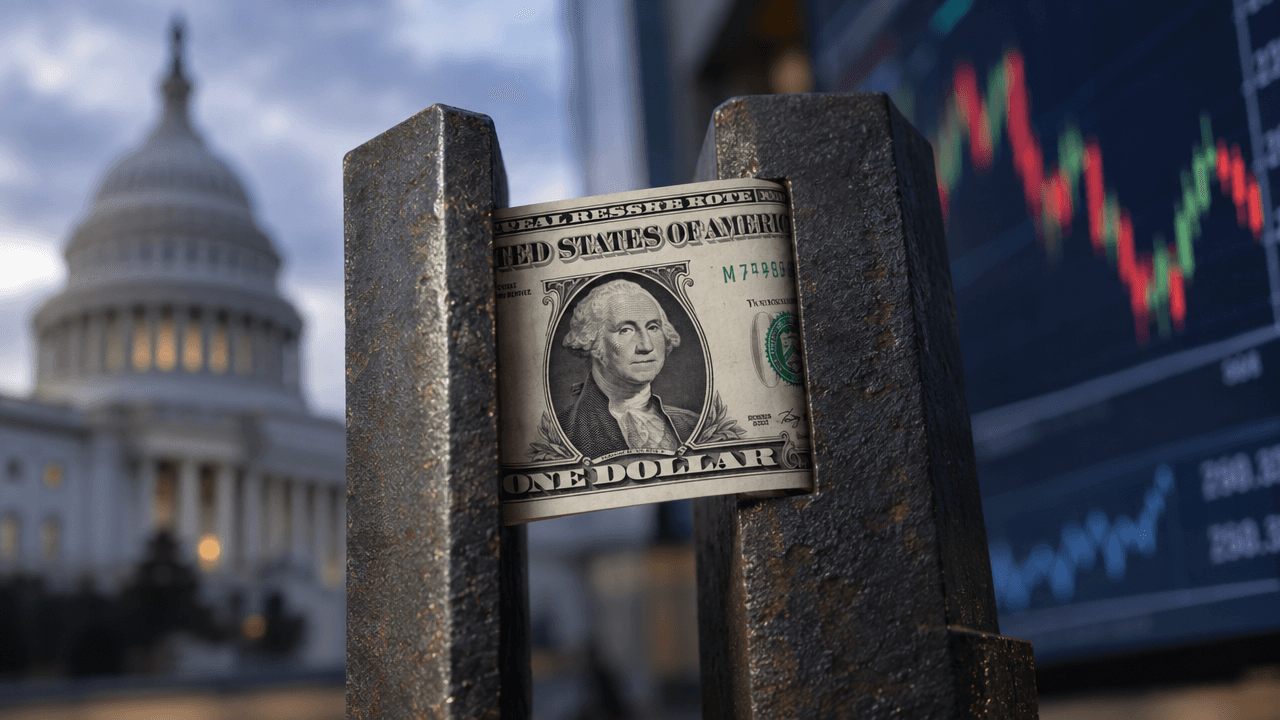
The dollar is holding its ground, but conviction is thin. The U.S. Dollar Index recently eased toward 101.80 as traders waited for the outcome of the U.S. midterm elections, while USD/JPY traded near 157.8 and EUR/USD around 1.119. [13][14] With markets focused on the next phase of U.S. fiscal policy, the currency appears trapped between competing forces: expectations for economic growth, concerns about government borrowing, and uncertainty over the Federal Reserve’s future interest-rate path.
The election itself may not create a lasting trend. Instead, the market reaction will likely depend on how the result changes expectations for taxes, government spending, Treasury issuance, inflation, and interest rates. Until those expectations become clearer, rangebound trading may remain the dollar’s defining characteristic.
The Election As A Fiscal Catalyst
Midterm elections matter to currency markets because they can change the balance of power in Washington. A divided government could make it more difficult to pass major new spending programs or tax cuts. A result that supports continued fiscal expansion, by contrast, could increase expectations for stronger growth and higher inflation.
That distinction is important for the dollar. More government borrowing may push Treasury yields higher as investors demand greater compensation for holding additional U.S. debt. Higher yields can attract foreign capital and support the greenback, especially if they reflect stronger growth or expectations that the Federal Reserve will keep interest rates elevated.
However, higher yields do not automatically produce a stronger dollar. If yields rise because investors are increasingly concerned about fiscal sustainability, inflation risk, or the supply of government debt, confidence in U.S. assets could weaken. In that case, the dollar may struggle even as Treasury rates climb. [1][3]
The key question for traders is therefore not simply which party gains control of Congress. It is whether the election result materially changes the expected path of deficits, borrowing, and monetary policy.
Why The Dollar Is Rangebound
The current price action reflects a market waiting for a clearer catalyst. The Dollar Index’s move toward 101.80 suggests modest selling pressure, but not a decisive breakdown. The euro’s rise toward 1.119 indicates that some investors are reducing dollar exposure, while USD/JPY near 157.8 shows that the dollar remains firm against the yen. [13]
This mixed performance is typical when several major themes are pulling the currency in different directions. U.S. yields may remain attractive compared with those in other developed economies, supporting dollar demand. At the same time, traders may be reluctant to build large positions before the election because the policy implications are uncertain.
The Federal Reserve remains another major influence. If fiscal policy appears likely to stimulate growth and keep inflation persistent, markets could price fewer future rate cuts. That would generally support the dollar. If the election points toward fiscal restraint and slower growth, investors could anticipate lower yields and a more accommodative Fed, creating pressure on the currency. [4]
For now, neither scenario has gained enough momentum to establish a sustained trend.
Possible Market Scenarios
A result that enables additional tax cuts or government spending could initially lift Treasury yields and support the dollar. Markets may interpret stronger fiscal stimulus as positive for U.S. growth and conclude that the Fed will have less room to reduce interest rates. This scenario could be particularly supportive for the dollar against lower-yielding currencies such as the euro.
A divided government may produce a more muted reaction. Restrictions on new fiscal initiatives could reduce expectations for additional stimulus, potentially weighing on long-term yields and the dollar. Yet divided government can also reduce the likelihood of abrupt policy changes, which may eventually calm financial markets and support the currency through lower political risk. [7]
A result that increases concerns about deficits or produces a prolonged dispute over government funding could create a more volatile outcome. Treasury yields might rise because investors demand a higher term premium, while the dollar weakens because confidence in U.S. fiscal management deteriorates. Analysts have emphasized that higher yields caused by fiscal risk can have a different currency impact from yields driven by stronger growth. [1]
These scenarios are not forecasts. They are frameworks for understanding why the dollar may react differently from Treasury yields after the vote.
What Traders Should Watch
The first market reaction may be misleading. Election headlines can produce sharp moves in the dollar, but the more important signal will be whether those moves persist after traders assess the policy details.
Traders should monitor the two-year and ten-year Treasury yields together. A rise in short-term yields could indicate expectations for fewer Fed cuts, while a jump in long-term yields may reflect stronger growth, higher inflation, or increased fiscal risk. The reason behind the move matters as much as the move itself.
The dollar’s performance against the yen and euro can also provide useful information. A stronger USD/JPY may reflect widening U.S.-Japan rate differentials, although intervention concerns and Japanese policy remain important risks. EUR/USD may respond more directly to changes in U.S. yields, European fiscal concerns, and relative economic expectations.
Finally, traders should avoid assuming that a political result guarantees a specific currency direction. Historical analysis has found no consistent pattern in the dollar’s immediate response to U.S. midterm elections. Growth, inflation, interest-rate expectations, and investor confidence typically remain the dominant drivers. [8]
Conclusion
The dollar remains rangebound because investors are waiting to discover whether the midterm elections will change the outlook for U.S. fiscal policy and interest rates. A decisive move is more likely if the result alters expectations for deficits, Treasury yields, or Federal Reserve policy.
Until then, patience and scenario planning are more valuable than attempting to predict a single election-night reaction. For SimFi traders, the practical lesson is clear: track the relationship between fiscal expectations, bond yields, and currency flows rather than trading the headline alone. The most durable dollar move will likely come after markets determine what the election means for the U.S. economy, not simply who wins the vote.