
From the search results: - March 25, 2026: Oil prices fell about 4% when US proposed 15-point plan to Iran to end war. WTI fell to $88.78, Brent to $100.53. - Later articles mention Iran offered new proposals for peace talks - Trump rejected Iran's new peace proposal, causing oil price swings - WTI crude had risen to $81.64 (mentioned in context), described as highest since summer 2024 - Later WTI closed down $3.13 to deliver on Friday
The current date is May 03, 2026. So these events happened in March-April 2026.
Key points to cover: 1. Market reaction to peace proposals 2. Oil price volatility and drivers 3. Technical analysis/price levels 4. What this means for traders 5. Outlook
Important: I need to output PLAIN TEXT only, no markdown, no HTML. Section headings in ALL CAPS on their own line. Paragraphs separated by blank lines. Start DIRECTLY with the first paragraph - no preamble.
Let me write the article first, then add the metadata at the end.
I need to cite the search results appropriately. Let me map what I'm using: - [1] has the March 25 event with specific prices - [2] Iran offers new proposal - [3] Similar to [2] - [4] Trump rejects proposal, price swings - [5] WTI falls Friday, Iran peace proposal, Trump rejected
I need to be careful about using citations properly. The instructions say to cite after each sentence that uses information from search results.
Let me structure this: 1. Opening paragraph - set the scene 2. THE PEACE PROPOSAL CATALYST - explain what happened 3. MARKET MECHANICS - technical details about price movements
4. VOLATILITY AND TRADER IMPLICATIONS - what traders should know 5. LOOKING AHEAD - what's next 6. KEY TAKEAWAYS - summary
Let me write this carefully in plain text format.
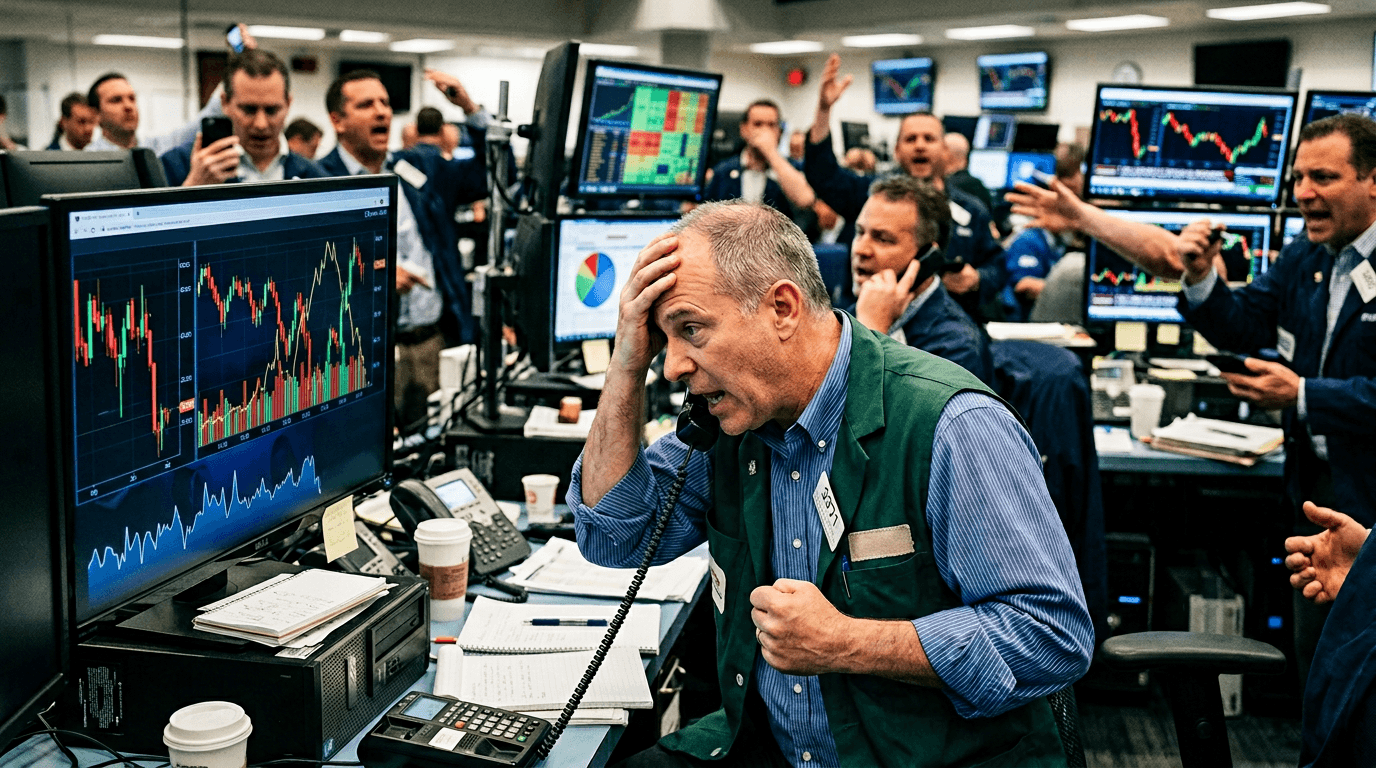
Oil markets have been a study in contrasts over recent weeks, with geopolitical tensions and peace proposals creating dramatic price swings that have kept traders on high alert. The latest chapter in this volatile saga came when Iran proposed new terms for negotiations with the United States, sending West Texas Intermediate crude into a sharp decline and offering a rare moment of relief for energy consumers and market participants bracing for sustained elevated prices. Understanding what drove these moves and what they mean for the broader energy landscape requires looking at both the headlines and the underlying fundamentals reshaping global oil markets.
The Peace Proposal Catalyst
The most recent oil price decline stems directly from diplomatic developments between the U.S. and Iran. In late March 2026, oil prices fell approximately 4% when the U.S. forwarded a 15-point proposal to Iran aimed at ending the ongoing conflict.[1] West Texas Intermediate crude dropped $3.57, or 3.9%, to $88.78 per barrel, while Brent futures fell 3.8% to $100.53.[1] The market's response was swift and predictable: any hint of de-escalation or potential ceasefire negotiations sends oil prices lower, as traders reassess supply risk premiums that had been priced into crude valuations.
What makes this development particularly significant is the pattern that has emerged. When Iran later offered its own new peace proposal for negotiations, oil futures dove once again, lifting investor hopes that serious diplomatic discussions might finally reduce the war premium that has plagued energy markets.[2][3] However, this optimism proved premature. President Trump subsequently rejected Iran's peace proposal, triggering violent swings in international oil prices as the market rapidly repriced the likelihood of continued conflict and supply disruptions.[4] These dramatic reversals underscore how sensitive oil markets remain to geopolitical headline risk and how quickly sentiment can shift based on diplomatic posturing.
Market Mechanics And Price Movement
To appreciate the significance of recent price movements, it's essential to understand where crude oil stood before these peace initiatives emerged. WTI crude had climbed to $81.64, marking its highest level since summer 2024, as tensions escalated and investors feared sustained supply disruptions from conflict in a critical oil-producing region.[4][5] This elevated baseline reflected genuine supply concerns and geopolitical risk premiums that had been building throughout the conflict. The subsequent declines to the $88.78 level still represent prices significantly elevated from pre-conflict levels, illustrating that markets remain pricing in meaningful risk even as diplomatic activities suggest potential resolution paths.
West Texas Intermediate crude closed lower on Friday when Iran made its peace proposal, with June delivery contracts falling $3.13.[5] This movement, while substantial in percentage terms, reflects the delicate balance between hope for resolution and skepticism that meaningful progress will actually materialize. Energy advisory firm Ritterbusch and Associates noted that the earlier 4% decline "largely relates to the 15-point U.S. plan to end the war," and cautioned that "until a greater definition is forthcoming regarding major progress, the oil market will remain vulnerable to another price up-spike."[1] This assessment captures the fundamental uncertainty: markets are willing to price in relief rallies on peace talk rumors, but lack conviction that genuine breakthroughs are imminent.
Volatility And Trader Implications
For active traders, the recent price action in crude markets offers important lessons about how geopolitical events can create profitable opportunities and substantial risks simultaneously. The sharp reversals between days when peace proposals emerged positively and days when they were rejected highlight the need for rigorous risk management and clear position-sizing discipline. Traders betting on mean reversion or technical support levels faced sudden reversals when diplomatic headlines shifted market sentiment abruptly.
The volatility also reveals the importance of distinguishing between genuine supply disruptions and sentiment-driven trading. While elevated oil prices reflect real concerns about conflict-related supply losses, the day-to-day price swings often reflect trader positioning and sentiment shifts rather than actual changes to global crude supply. This creates both opportunities for tactical traders who can move quickly on news and risks for longer-term investors trying to establish positions during periods of elevated emotion-driven volatility.
What Comes Next
The oil market remains in a precarious position, caught between genuine geopolitical risks that warrant elevated prices and diplomatic developments that periodically offer hope for resolution. Until clear progress emerges from peace negotiations, or alternatively, until market participants become convinced that conflict will persist indefinitely, crude oil will likely remain subject to sharp headline-driven swings. Traders should prepare for continued volatility in both directions while monitoring the actual supply picture, which ultimately determines fair value independent of temporary sentiment shifts.
Key Takeaways
Geopolitical tension remains the dominant driver of oil prices, with peace proposals creating meaningful downside moves despite elevated starting valuations. Markets overshoot in both directions on diplomatic headlines, creating both risks and opportunities for positioned traders. WTI's elevation to levels not seen since summer 2024 reflects genuine supply concerns that won't disappear until concrete progress materializes. Successful trading in this environment requires distinguishing between sustainable price drivers and temporary sentiment shifts. Position management and risk discipline become essential when facing this level of headline volatility.
---