
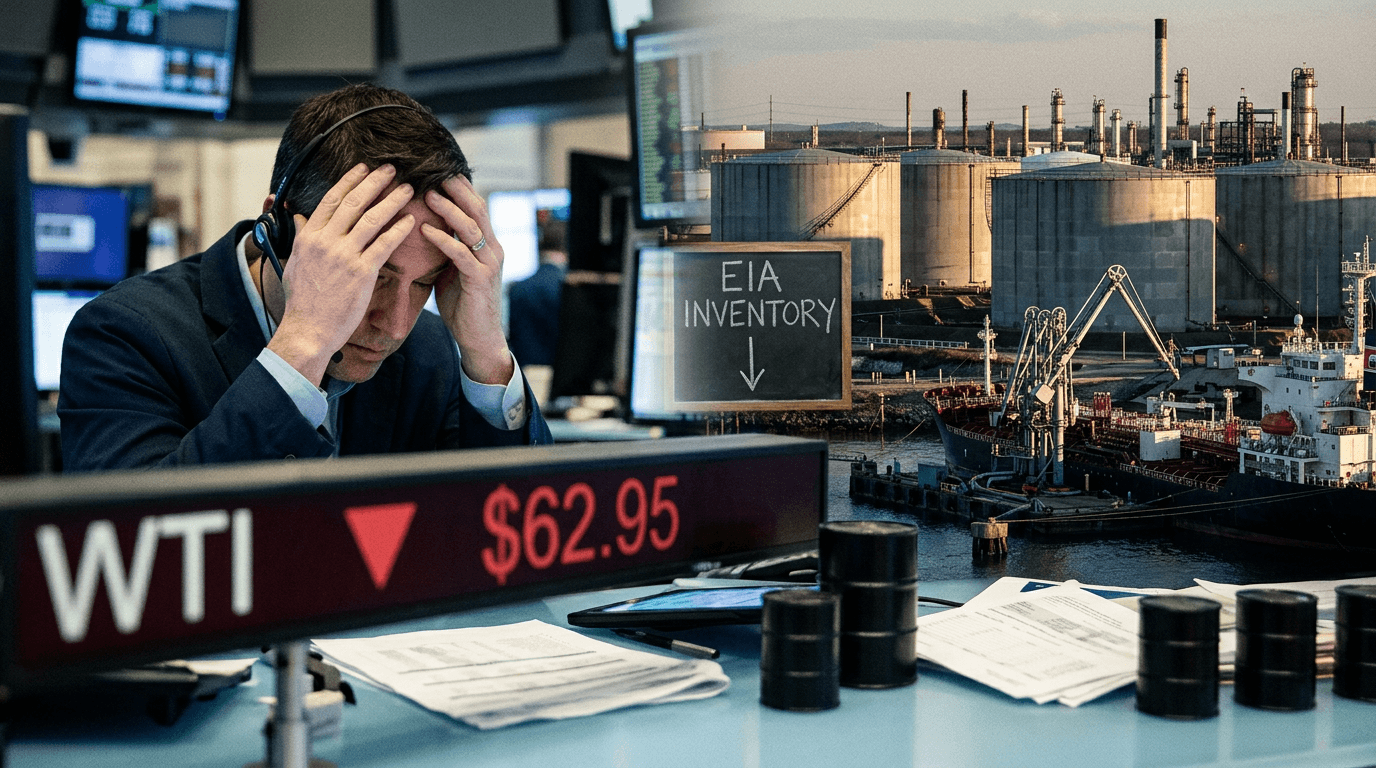
Crude oil markets have entered a period of significant volatility as two competing forces reshape the energy landscape: growing optimism around US-Iran diplomatic negotiations and persistent tightness in global crude inventories. West Texas Intermediate crude has tumbled from recent highs above $90 per barrel to test levels near $63, reflecting a dramatic shift in market sentiment. While the prospect of a framework peace deal between Washington and Tehran has provided substantial relief to traders fearful of extended supply disruptions, the underlying fundamentals tell a more nuanced story that deserves careful examination.
Understanding The Geopolitical Backdrop
The energy markets entered 2026 facing an unprecedented challenge: the disruption of critical Middle Eastern supply routes stemming from escalating US-Iran tensions. The closure of the Strait of Hormuz, which typically handles roughly one-third of global seaborne oil trade, created a supply shock that the International Energy Agency estimated at 10.1 million barrels per day during peak disruption in March. This represented one of the most significant supply interruptions in modern market history, rivaling the impacts of major conflicts in previous decades.
The initial market reaction was predictable. WTI crude surged toward $120 per barrel as traders priced in worst-case scenarios of prolonged supply constraints and potential escalation. Refineries worldwide began competing aggressively for available barrels, while strategic petroleum reserves became a focal point for policymakers desperate to stabilize prices. The energy sector became the focal point of global market concerns, with analysts warning that elevated crude costs could trigger a dangerous combination of inflation and economic slowdown.
Diplomatic Thaw Dramatically Shifts Sentiment
Everything changed with the announcement of a fragile ceasefire on April 7, 2026, followed by confirmed reports that high-level peace negotiations would resume in Islamabad, Pakistan. The market's reaction was swift and severe for bulls. Within days, WTI plummeted nearly 8 percent, settling at $91.20 on April 14 as traders rapidly repriced the probability of a permanent resolution to the conflict. By early May, crude had compressed further toward $63, reflecting a fundamental reassessment of supply risk premiums.
This collapse in crude values highlights a critical reality for energy markets: geopolitical risk premiums are often substantial. When tensions were at their peak, traders were paying significantly more per barrel simply for the uncertainty surrounding Middle Eastern supply. As that uncertainty recedes and diplomatic channels open, those risk premiums evaporate quickly. White House officials have signaled genuine optimism about the peace process, with President Trump characterizing the conflict as being "very close to being over." Iranian officials have reportedly proposed temporary cessations of maritime disruptions specifically to facilitate negotiations. These signals have been sufficient to convince traders that the worst-case scenarios may no longer be probable.
Eia Inventory Data Presents Conflicting Signals
Beneath the headlines about diplomatic progress lies data that presents a more complicated picture. The Energy Information Administration reported that US crude oil inventories fell by 8.1 million barrels during the week ended May 1, a substantial draw that typically signals strong demand or continued supply constraints. Earlier in April, inventory data had also disappointed bulls, with an unexpected 900,000 barrel decline against market expectations for a 2.1 million barrel build.
This inventory tightness would normally provide significant support to oil prices. However, it appears that traders are interpreting these draws as temporary consequences of the supply disruption rather than indicators of fundamental tightness. The theory holds that as the Strait of Hormuz reopens and supply returns to normal levels, these inventory deficits will be replenished relatively quickly. From this perspective, the inventory data represents a backward-looking signal about the disruption period rather than a forward-looking indicator of persistent scarcity.
Implications For Traders And Investors
The current environment presents distinct challenges for market participants trying to position for the months ahead. The range of potential outcomes remains wide. A successful permanent peace deal could see WTI settle into the $55 to $65 range as supply fears fully dissipate and strategic reserves are replenished. Conversely, if peace negotiations stall or collapse, a resurgence of geopolitical risk premiums could quickly push crude back toward $90 to $100 levels.
Technical levels matter significantly here. WTI's ability to hold above the 200-day moving average around $62.23 will be closely watched as an indicator of whether the downtrend has completed. Support from inventory data remains available if prices become too compressed, but it appears unlikely to provide decisive support in the near term while diplomatic sentiment remains optimistic.
Looking Ahead
The crude oil market faces a transition period as traders attempt to recalibrate valuations in response to geopolitical developments. Watch for indicators of negotiation progress or setbacks, monitor real-time Strait of Hormuz shipping data, and track inventory trends for signs that supply normalization is occurring. The next critical checkpoint will be announcements regarding the second round of peace talks and any statements from Iranian leadership about their intentions regarding maritime disruptions.