
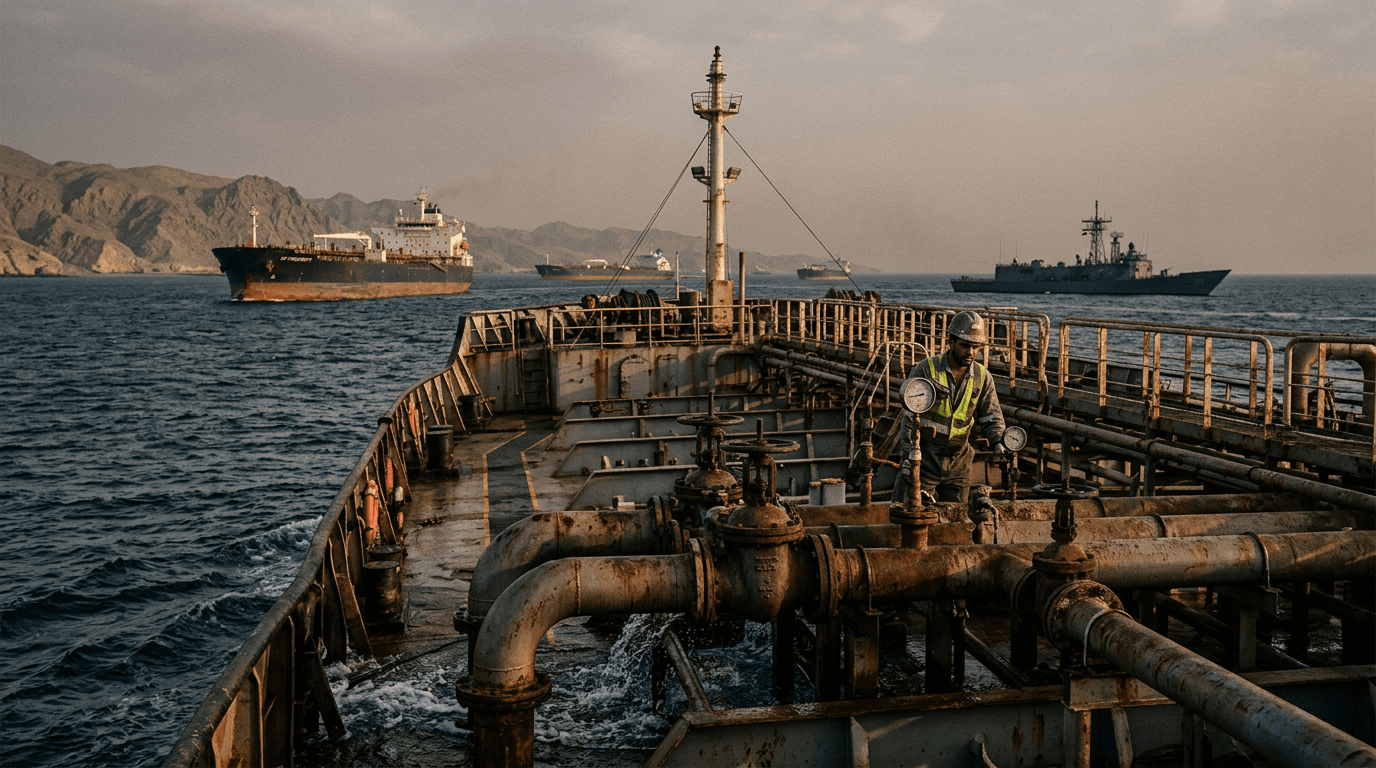
Geopolitical tensions between the United States and Iran are causing significant volatility in crude oil markets, with West Texas Intermediate crude surpassing $90 per barrel. This substantial rally marks the largest weekly gain in oil prices in about four years, driven mainly by fears of supply disruptions and uncertainties over vital shipping routes. For traders, investors, and market participants, understanding the factors behind this price surge is crucial for navigating current energy markets and making informed portfolio decisions.
The Geopolitical Catalyst
The main catalyst for the recent movements in crude prices is escalating tensions in the Middle East, particularly the ongoing conflict between Iran and the United States. Failed ceasefire negotiations have amplified fears of potential supply disruptions and military escalation in this strategically crucial energy region. The Strait of Hormuz, a vital chokepoint through which roughly one-third of the world's crude oil flows, is now a focal point of market anxiety. Any disruption in tanker traffic through this area could have immediate and severe repercussions for global energy supplies, creating an ideal setting for a geopolitical risk premium to be factored into crude prices.
This risk premium is clearly reflected in the latest surge in crude prices. Brent crude was trading above $88 per barrel, up over 4% on the day, while WTI climbed to approximately $85.90 per barrel, gaining more than $4.80. More notably, Murban crude—a significant Middle Eastern benchmark—was nearing the $100 mark at $99.60 per barrel. This considerable divergence between various crude benchmarks underscores the extent to which Middle East supply concerns are influencing regional pricing.
Market Dynamics And Supply Concerns
What sets this crude price rally apart from typical market movements is its basis in geopolitical risk rather than underlying demand weakness or supply fundamentals. Global volatility, not weak fundamentals, is driving the prudent crude behavior as exports surge and prices rise. This distinction is crucial because it indicates that the current price environment primarily reflects uncertainty and risk premium rather than a fundamental change in the supply-demand equilibrium.
The uncertainty surrounding the Strait of Hormuz is expected to persist, suggesting that oil prices will likely remain volatile. Traders and energy market observers should brace for continued price fluctuations as long as tensions remain high. The $90 benchmark for Brent crude is now firmly within reach, and triple-digit crude pricing has already emerged in some global benchmarks, signaling that markets are pricing in meaningful supply disruption scenarios.
Implications For Different Market Participants
For energy producers and exporters, higher crude prices offer an opportunity to boost revenues and strengthen balance sheets. Oil-dependent economies and producers stand to benefit from elevated pricing, at least in the short to medium term. However, this comes with the caveat that such prices are typically unsustainable if driven primarily by geopolitical risk premium rather than fundamental supply constraints.
Energy consumers and refiners face challenges from elevated crude costs, which typically lead to higher gasoline and diesel prices at the pump. This has broader macroeconomic implications, potentially exerting upward pressure on inflation expectations. Central banks closely monitor energy price movements for their inflationary impact, and sustained crude prices above $90 could influence monetary policy expectations and potentially reduce investor conviction in near-term rate cut scenarios.
Traders and investors in crude oil futures and energy sector equities should recognize that the current environment is characterized by elevated volatility and headline-driven price movements. Position sizing and risk management become increasingly important in such conditions. The week's largest gains suggest momentum trading has contributed to the rally, which could lead to sharp reversals if headlines improve or geopolitical tensions de-escalate.
Key Takeaways For Market Participants
The current crude oil rally above $90 per barrel is a classic example of geopolitical risk premium at work. Supply disruption fears in the Middle East, particularly concerning the Strait of Hormuz, are the primary driver of today's energy market dynamics. As long as uncertainty persists around Iran-US tensions and shipping security, expect continued volatility in crude prices with the potential for further upside toward the $100+ levels already seen in regional benchmarks.
Participants should closely monitor ceasefire negotiations and any developments regarding Hormuz shipping, as these will likely trigger near-term price movements. The disconnect between crude pricing and fundamental supply-demand metrics suggests that sentiment and risk perception are driving markets more than actual supply constraints at this moment. Understanding this distinction is crucial for developing appropriate trading and investment strategies in the current environment.