
Economy
Why Persistent Inflation Could Keep Markets Under Fed Pressure
Fed officials are putting inflation back at the center of policy decisions. Here’s what gradual rate hikes could mean for the dollar, equities, crypto, and SimFi traders.
Global economic news, central bank decisions, inflation data, and macroeconomic analysis affecting financial markets worldwide.
Fed officials are putting inflation back at the center of policy decisions. Here’s what gradual rate hikes could mean for the dollar, equities, crypto, and SimFi traders.
US 10-year Treasury yields above 5% are reshaping global capital flows, supporting the dollar while challenging emerging-market currencies, gold, and crypto.

Crude prices near two-month lows remain vulnerable to geopolitical shocks, supply changes and shifting demand expectations that could reshape inflation, yields and currencies.

Tariff threats, US-China tensions and European political uncertainty are influencing inflation, interest rates and market volatility. Learn how traders can manage the risks.
October PCE inflation rose to 2.3%, keeping markets focused on whether the Fed will deliver a December rate cut and leaving bonds, the dollar, and equities sensitive to new data.
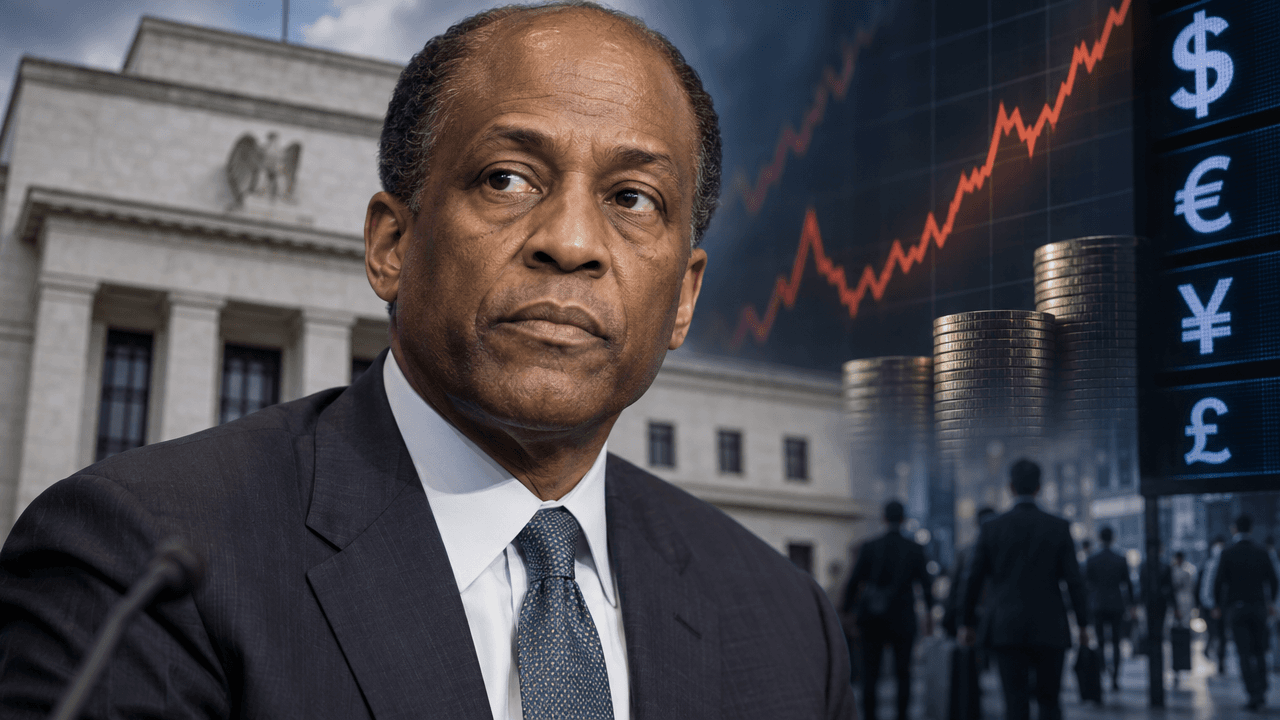
Philip Jefferson says persistent inflation, solid growth, and a stabilized labor market could keep the Fed hawkish, creating risks for rates, forex, and equities.

Narrower Chinese industrial losses are supporting Asian equities and commodity-linked currencies, but weak demand and trade tensions keep the recovery fragile.
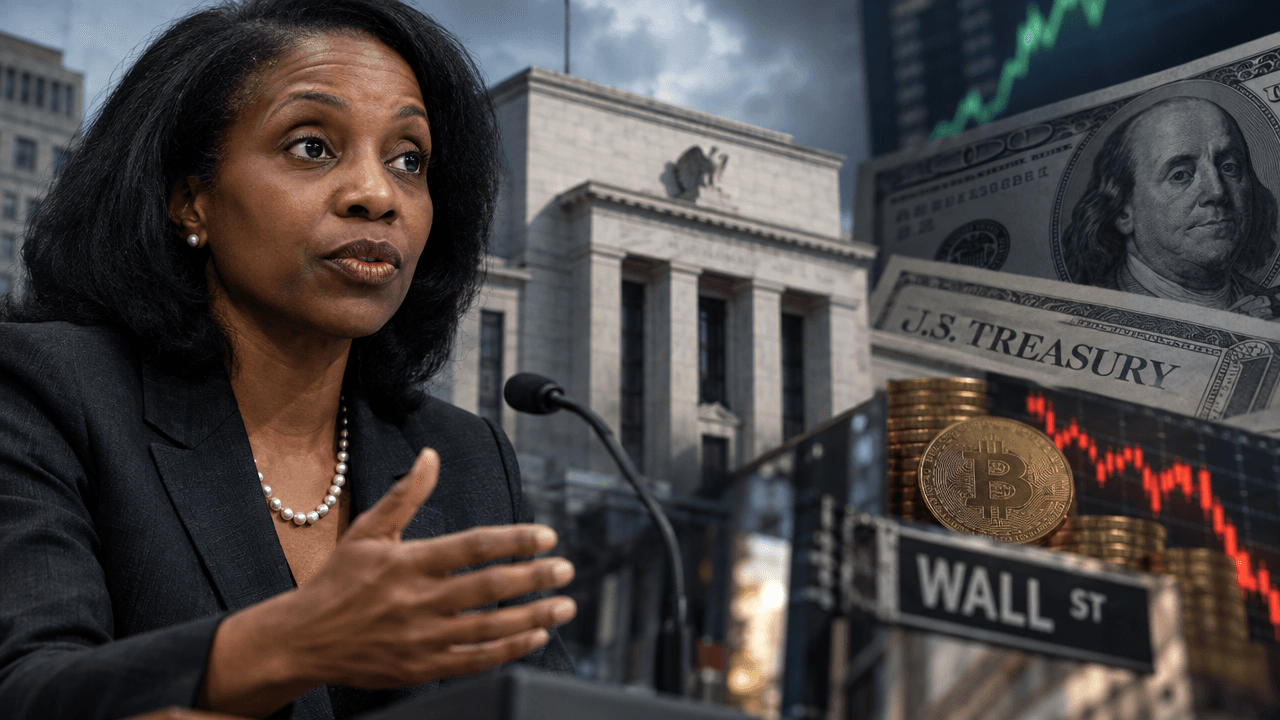
Jefferson’s hawkish inflation signal could keep rate hikes on the table, supporting the dollar and Treasury yields while pressuring equities, crypto, and futures.

Inflation, geopolitical risk and AI valuation concerns are reshaping expectations across stocks, commodities and forex. Learn how traders can manage the repricing.