
Economy
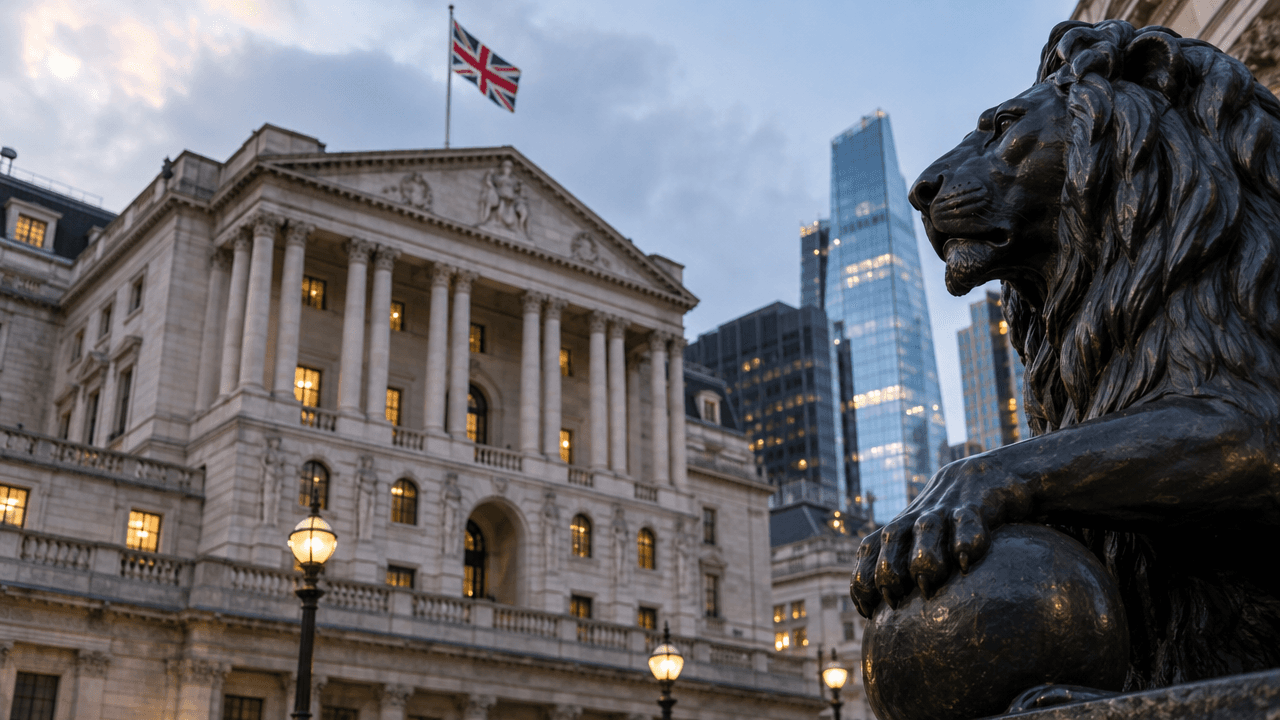
BoE Hold: How Inflation And Growth Risks Shape GBP And SimFi Strategies
Bank of England holds Bank Rate at 3.75%, balancing persistent inflation and slowing growth, reshaping GBP and UK risk sentiment for traders.
Global economic news, central bank decisions, inflation data, and macroeconomic analysis affecting financial markets worldwide.
Bank of England holds Bank Rate at 3.75%, balancing persistent inflation and slowing growth, reshaping GBP and UK risk sentiment for traders.

Traders eye a potential BOJ move to 1.25% as soaring reserve interest costs reshape yen, JGB, and risk dynamics.

Traders face a pivotal data week as US labor, housing, and GDPNow meet hotter Eurozone inflation, reshaping expectations for the Fed, ECB, yields, and FX.

Markets see a near-inevitable 25 bp Fed hike as the 10-year yield nears 5%, reshaping opportunities across bonds, FX and risk assets.

August U.S. retail sales and trade price data arrive alongside the Fed decision, offering a crucial test of consumer strength, inflation trends and market expectations.

Dense global data and the FOMC decision are poised to reshape FX, rates and equity pricing in a single, volatile session.
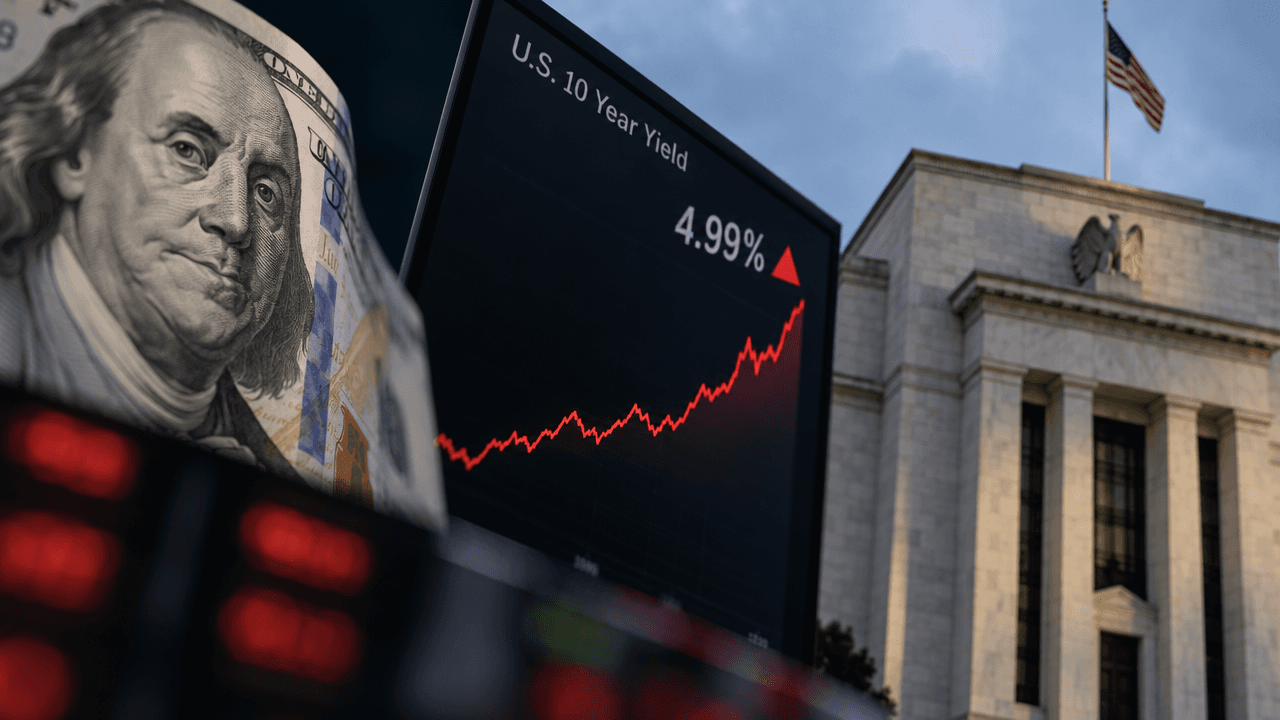
U.S. 10-year yields near 5% are pressuring stocks and lifting the dollar ahead of a pivotal Fed decision and guidance on future rates.

The dollar is climbing as markets price a near-certain Fed hike and an oil-driven rise in yields, pressuring risk currencies and metals while creating rich opportunities for strategy testing.

Traders pare risk as a likely Fed rate hike and pivotal US Senate vote on the CLARITY Act combine into a powerful twin event risk for forex, equities, gold and crypto.