

Economy
China’s 125% Tariff Shock: What Traders Need to Know Now
China’s new tariffs of up to 125% on U.S. goods reignite trade war fears, shaking risk sentiment and creating fresh cross-asset opportunities and risks for traders.
Global economic news, central bank decisions, inflation data, and macroeconomic analysis affecting financial markets worldwide.
China’s new tariffs of up to 125% on U.S. goods reignite trade war fears, shaking risk sentiment and creating fresh cross-asset opportunities and risks for traders.

US private employers added just 98,000 jobs in June, signaling cooler labor demand and subtly shifting expectations for Fed policy, yields, and risk assets.

Eurozone bond yields near three‑month lows reveal a market pivot from inflation fears to growth worries, reshaping expectations for ECB policy, euro FX, and European index futures.

A downside surprise in US payrolls is boosting gold, weighing on the dollar and reshaping how traders price the Fed’s next move across FX, rates and precious metals.
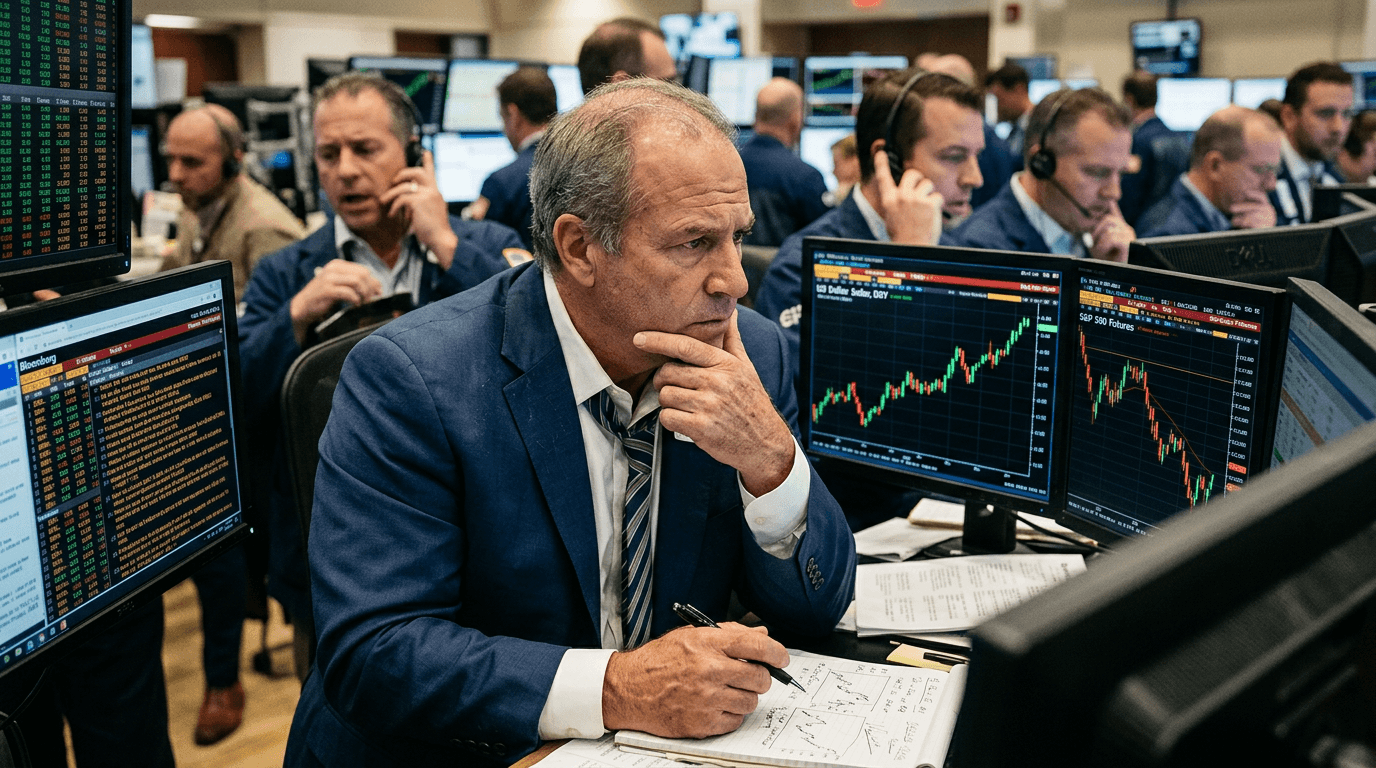
Fed officials are signaling rates will stay on hold, pushing out cut expectations, lifting the dollar and pressuring risk assets. Here’s how traders can navigate the new macro regime.

A surprise drop in US payrolls cooled the dollar’s rally and pushed traders to price in earlier Fed rate cuts, with implications across FX, rates, and risk assets.

The Bank of England is choosing patience over rapid rate hikes as oil lifts inflation, pressuring sterling and reshaping UK rates expectations.

A sharp oil spike from Middle East conflict is reshaping global inflation expectations, delaying rate cuts and forcing markets to reprice risk.

China’s June factory acceleration, powered by tech export demand, is quietly reshaping outlooks for Asian equities, commodities and China‑sensitive FX.