

Trading
Why Middle East Tensions Are Sending Oil Futures Higher
Oil futures surged as Middle East tensions lifted the supply-risk premium. Here’s how the move could affect inflation, currencies, interest rates, and SimFI trading strategies.
Professional trading strategies, risk management techniques, and market psychology insights to improve your trading performance.
Oil futures surged as Middle East tensions lifted the supply-risk premium. Here’s how the move could affect inflation, currencies, interest rates, and SimFI trading strategies.
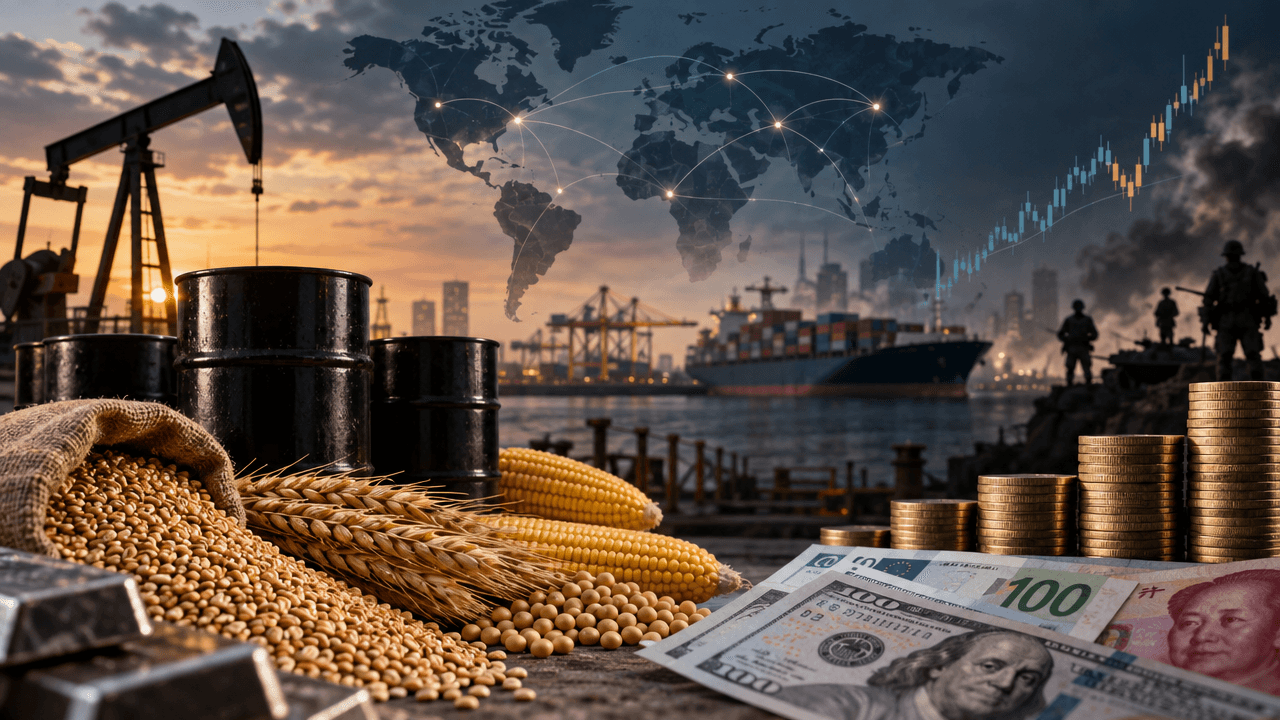
The World Bank forecasts a 23% rise in commodity prices in 2026. Here is how energy, food and geopolitical risks could affect inflation, currencies and markets.

The IMF warns that an AI-market correction and financial-sector cyberattacks could amplify global volatility. Here’s how traders can prepare.
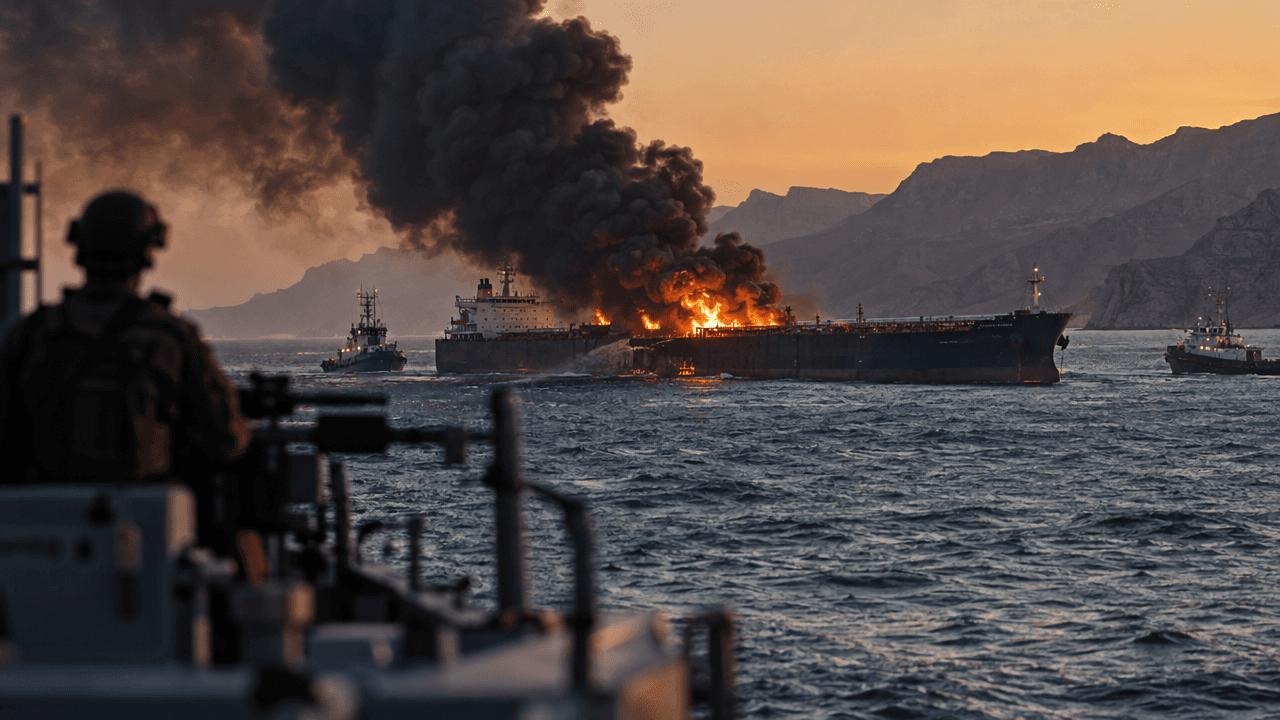
A tanker attack near the Strait of Hormuz pushes Brent toward $116 as traders weigh supply disruption, rising volatility, and the risks for energy markets.
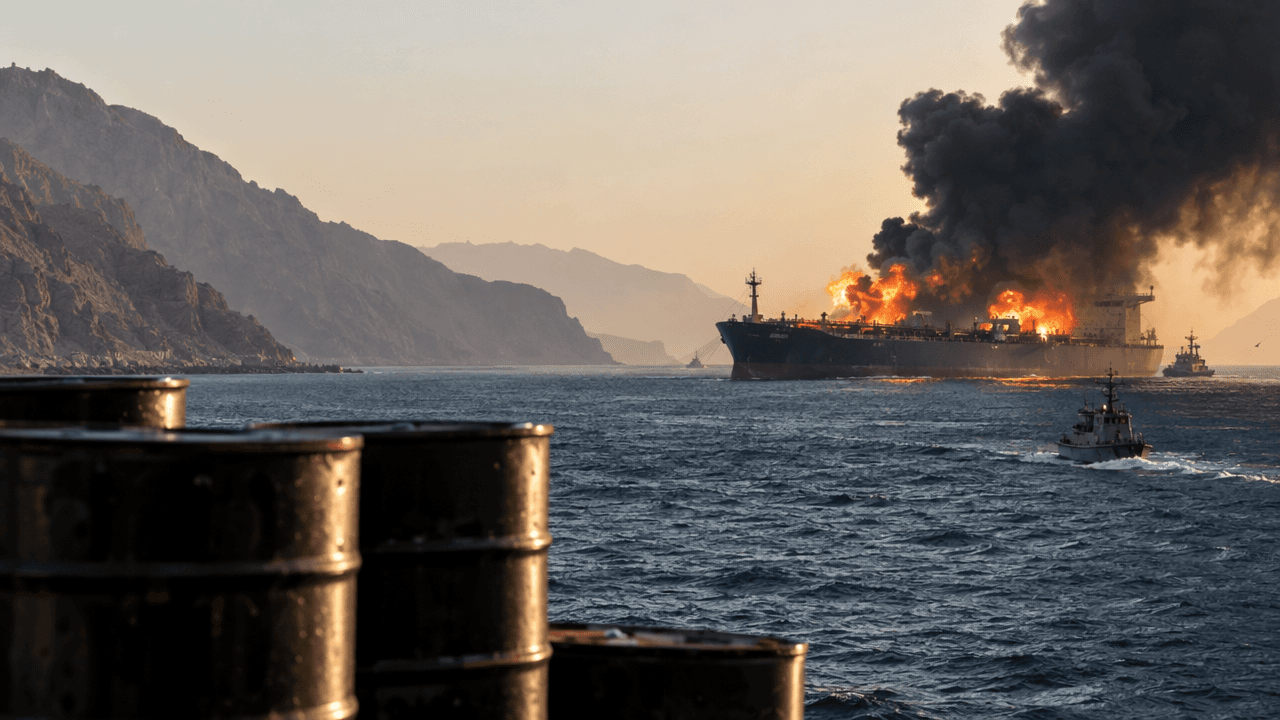
A tanker attack near the Strait of Hormuz has revived global supply fears, lifting Brent toward $116 and increasing concerns about inflation, shipping, and market volatility.
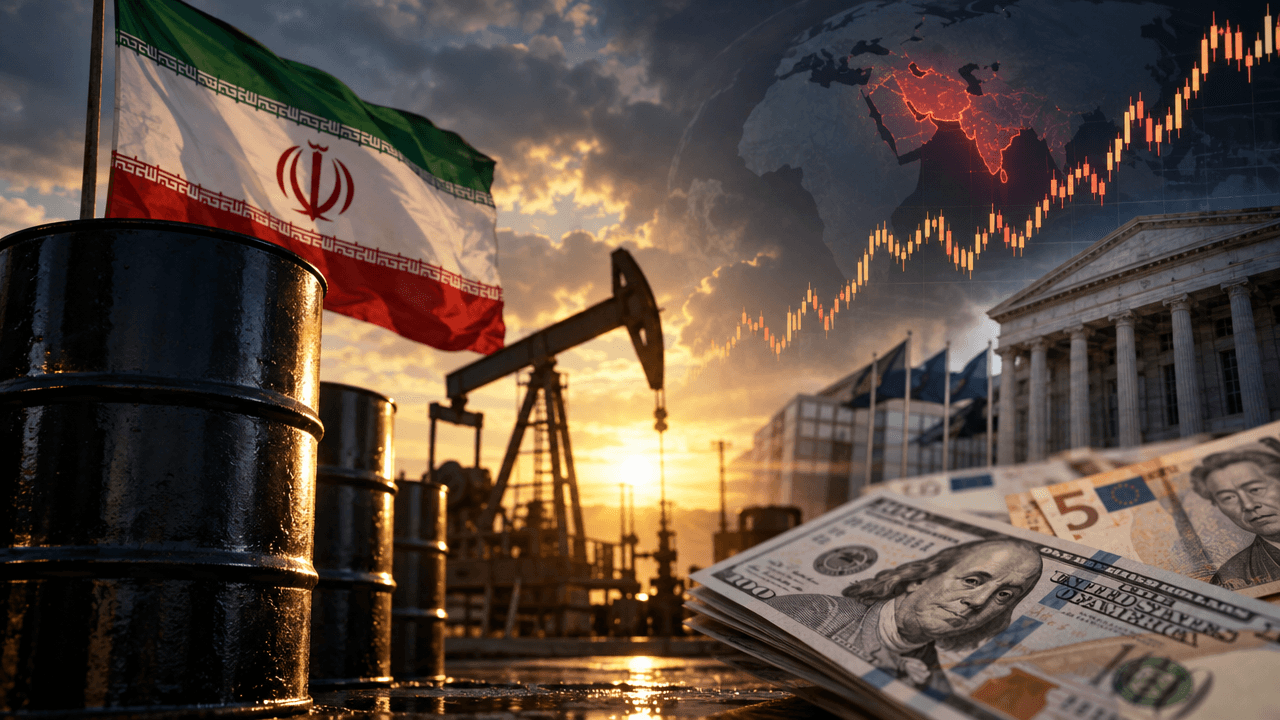
Brent crude remains elevated near $115–$116 as Iran concerns lift the geopolitical risk premium and influence inflation, central banks, bonds, and currencies.

Oil prices pulled back from recent highs, offering inflation relief while raising fresh questions about global growth, interest rates, and risk assets.
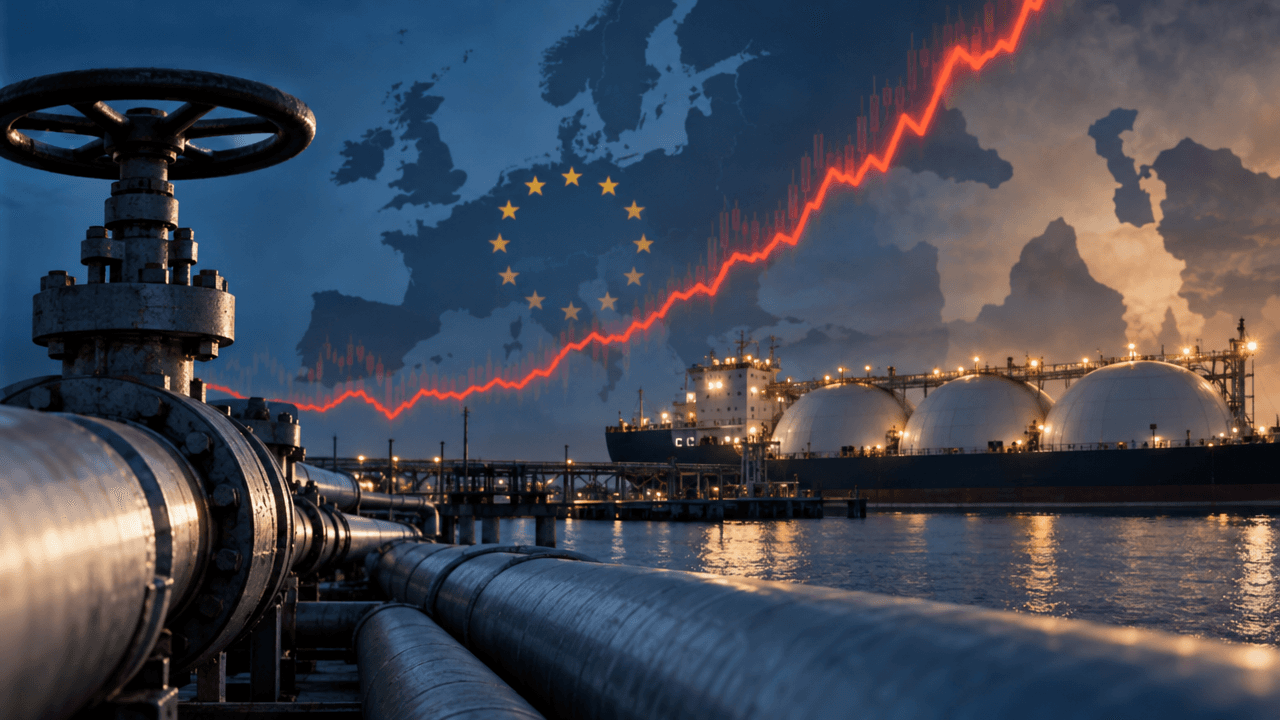
European gas prices have crossed €100/MWh as low storage and Middle East LNG concerns raise inflation, growth and market-volatility risks.

Oil prices retreated after a powerful prior-session rally as diplomatic hopes eased Middle East supply concerns, while falling U.S. inventories kept the market supported.