
Trading
Brazil’s Post-Election Market Shock: What Traders Need to Know
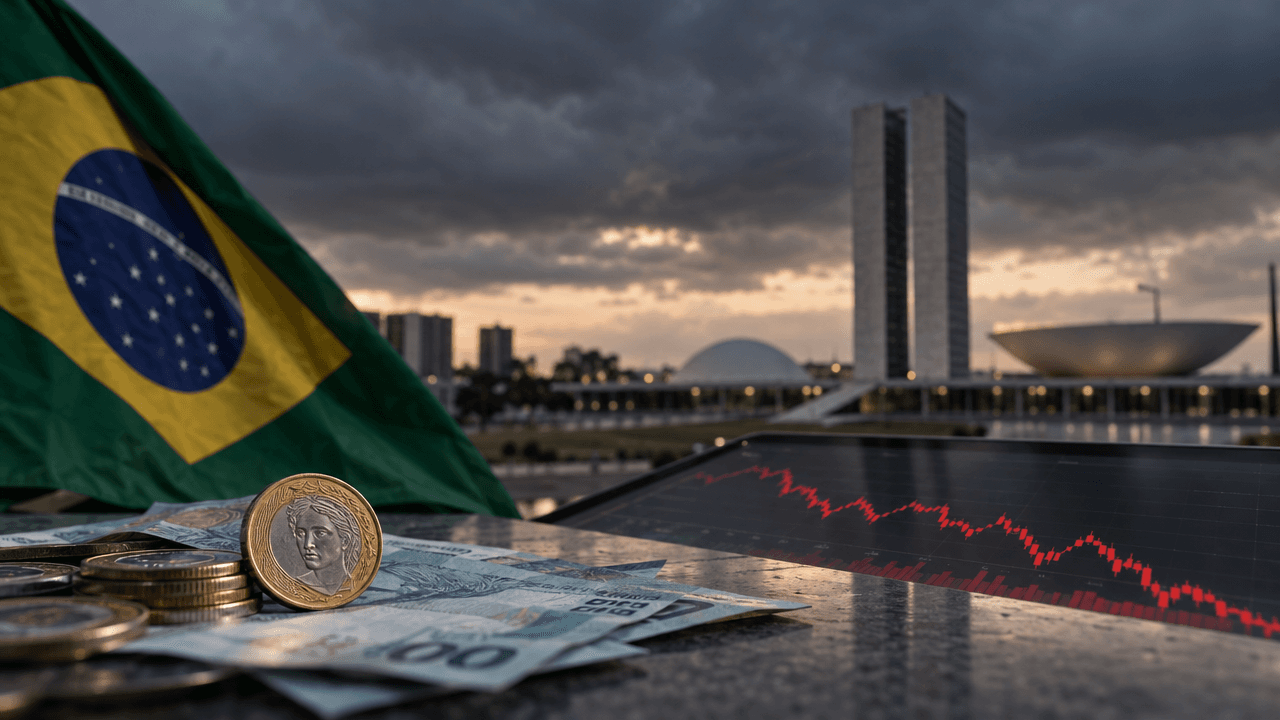
Brazil’s real and equities plunged after an unexpected election result. The selloff offers important lessons about political risk, fiscal policy, and emerging-market volatility.
Professional trading strategies, risk management techniques, and market psychology insights to improve your trading performance.
Brazil’s real and equities plunged after an unexpected election result. The selloff offers important lessons about political risk, fiscal policy, and emerging-market volatility.

Strait of Hormuz tensions are lifting oil and European gas, reviving inflation risks and complicating central-bank decisions. Here is what traders should watch next.
OPEC+ is expected to keep December quotas unchanged, but below-target production and geopolitical disruptions may matter more than the official policy decision.

Oil futures remain elevated as attacks near the Strait of Hormuz threaten supply routes, raise inflation risks and create sharp opportunities—and dangers—for traders.
OPEC+ is set to keep December production targets unchanged, but below-quota output and geopolitical risks could limit the decision’s immediate market impact.
Oil prices fell as an announced energy ceasefire eased supply fears, while U.S. futures gained. Houthi attacks and fragile diplomacy kept markets on alert.

Brent crude climbed 2.4% to $113.43 as Middle East supply risks fueled inflation concerns and reshaped expectations for currencies, equities and interest rates.

Oil gained more than 2% while gold and silver sold off sharply. Here’s what the divergence means for inflation, interest rates, currencies, and traders.

Brent crude has climbed above $113 as Middle East tensions raise supply concerns, inflation risks and uncertainty over future central-bank easing.