
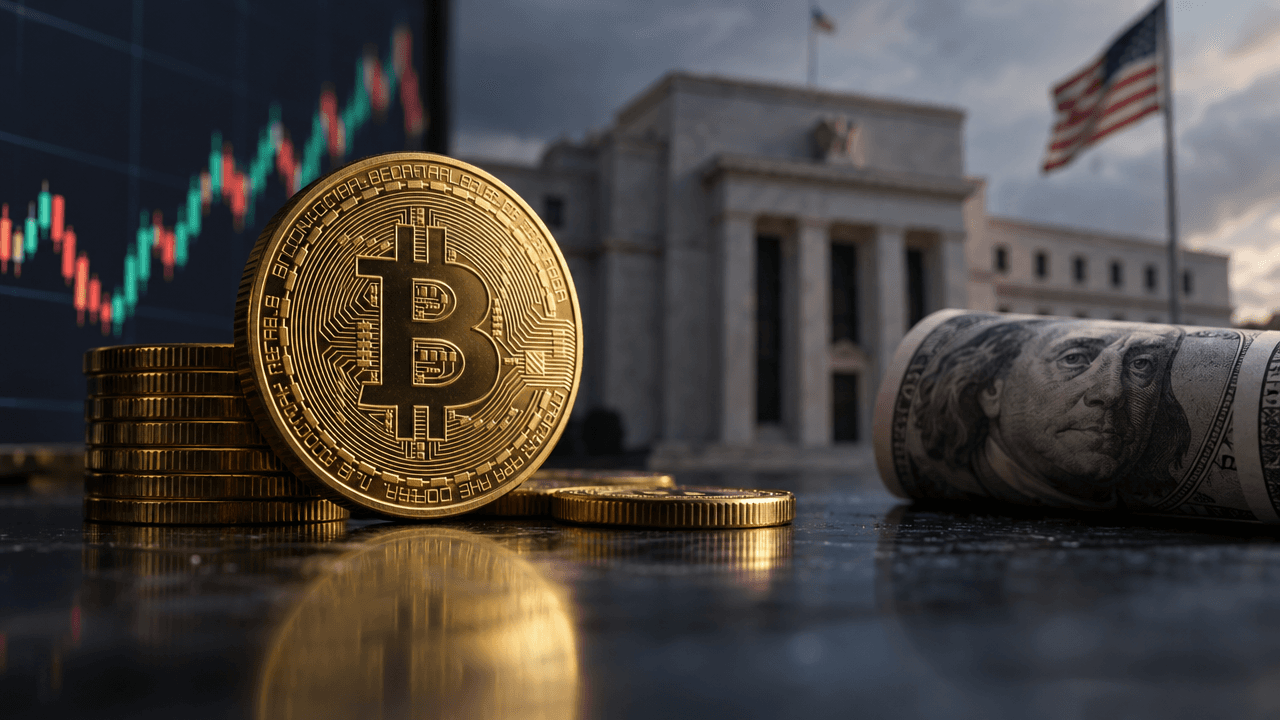
Bitcoin’s rebound is struggling to gain traction. After falling to an intraday low near $57,650, the cryptocurrency recovered toward $61,500, but the move has not yet developed into a convincing trend reversal. Instead, renewed dollar strength and rising expectations for additional Federal Reserve rate hikes are keeping pressure on Bitcoin and other speculative assets. Recent reporting placed Bitcoin near $61,502.80 after the selloff, while markets continued to focus on the implications of tighter monetary policy. [6]
The Rebound Has Lost Momentum
A sharp bounce can look encouraging after a steep decline, but the quality of the recovery matters more than the size of the initial move. Bitcoin’s rebound from the $57,650 area shows that buyers remain willing to defend lower prices. However, the failure to extend gains beyond the $61,500 region suggests that sellers are still active and that traders remain cautious.
The market is also dealing with the effects of a broader crypto liquidation event. Forced selling can create temporary rebounds as short positions are covered and bargain hunters enter the market. Yet these rallies often fade unless fresh capital arrives to support higher prices.
For Bitcoin, a sustainable recovery would likely require several positive developments at once: improving liquidity, stronger institutional demand, declining yields, and a less hawkish Federal Reserve outlook. Without those conditions, each rally may continue to attract sellers looking to reduce exposure.
Why The Dollar Matters
Bitcoin is priced in U.S. dollars, so the dollar’s direction plays an important role in global demand. When the dollar strengthens, Bitcoin becomes more expensive for investors using other currencies. A stronger dollar can also signal that investors are seeking defensive assets instead of higher-risk opportunities.
Recent market analysis found that the dollar had strengthened 2.5% over the month through November 18, outperforming a broad group of major assets and benchmarks. The move has been described as an unwinding of the “debasement trade,” in which investors bought assets such as Bitcoin and gold as protection against currency weakness. [1]
This shift does not mean Bitcoin’s long-term investment case has disappeared. It does mean that the macroeconomic environment is less supportive. When capital is flowing toward cash and dollar-denominated assets, cryptocurrencies must compete with a more attractive defensive alternative.
The dollar’s strength can also affect market psychology. Traders who previously expected monetary easing or currency depreciation may delay new Bitcoin purchases until the trend becomes clearer. That hesitation can limit upside momentum even when prices recover from short-term lows.
Fed Policy Remains The Central Risk
Expectations for higher interest rates are the most important pressure point for Bitcoin at present. Higher rates increase the return available from cash and government debt, reducing the incentive to hold volatile assets that do not generate traditional income.
They also raise the discount rate applied to speculative investments. In practical terms, investors may be less willing to pay high valuations for assets whose potential returns depend heavily on future liquidity and risk appetite.
Federal Reserve meeting minutes reinforced concerns about additional tightening, with nearly all officials reportedly viewing further increases as appropriate under their baseline outlook. Market pricing subsequently assigned a high probability to a December rate increase, while investors also considered the possibility of more tightening in early 2027. [5][8]
That backdrop helps explain why Bitcoin’s recovery has been fragile. Even if traders believe the latest selloff was excessive, they may still avoid aggressive buying while the path of interest rates remains uncertain.
Key Levels And Market Signals
The $57,650 area is an important short-term reference point because it marks the recent intraday low and the level where buyers emerged. A sustained break below that zone could signal that the rebound has failed and expose Bitcoin to another wave of selling.
On the upside, the $61,500 region represents an area where the recovery has encountered resistance. Bitcoin would need to reclaim higher levels with strong volume and consistent follow-through before the broader trend could be considered healthier.
Traders should watch more than price alone. The dollar index, U.S. Treasury yields, Federal Reserve expectations, exchange flows, and spot Bitcoin exchange-traded fund activity can provide useful confirmation. Persistent ETF outflows or renewed increases in yields would suggest that the macro pressure remains intact. Conversely, falling yields, a softer dollar, and renewed institutional inflows could give the rebound greater credibility.
Practical Takeaways For Traders
First, avoid treating a single-session bounce as proof that a bottom is in place. Wait for confirmation through higher highs, stronger volume, and sustained support above previously contested levels.
Second, monitor leverage. Large liquidation events can amplify both declines and rebounds, making short-term price action unusually volatile. Smaller position sizes and clearly defined risk levels can help limit the damage from sudden moves.
Third, keep the macroeconomic calendar in view. Inflation data, employment reports, Treasury yields, and Federal Reserve communications can quickly change rate expectations and redirect capital across markets.
Finally, distinguish between a trading opportunity and a long-term thesis. Bitcoin may remain attractive to investors who believe in its adoption and scarcity characteristics, but those arguments do not eliminate short-term sensitivity to liquidity, interest rates, and the dollar.
Conclusion
Bitcoin’s recovery toward $61,500 has provided temporary relief, but it has not yet produced convincing evidence of a durable trend reversal. The rebound remains vulnerable while the dollar strengthens and markets price in additional Federal Reserve tightening. [2][4]
For now, the most important question is not whether Bitcoin can bounce after a selloff, but whether buyers can maintain control after the first wave of dip-buying ends. Until macroeconomic conditions improve and demand shows stronger follow-through, caution remains warranted.