
---
The Turning Point in the US-China Trade Dispute
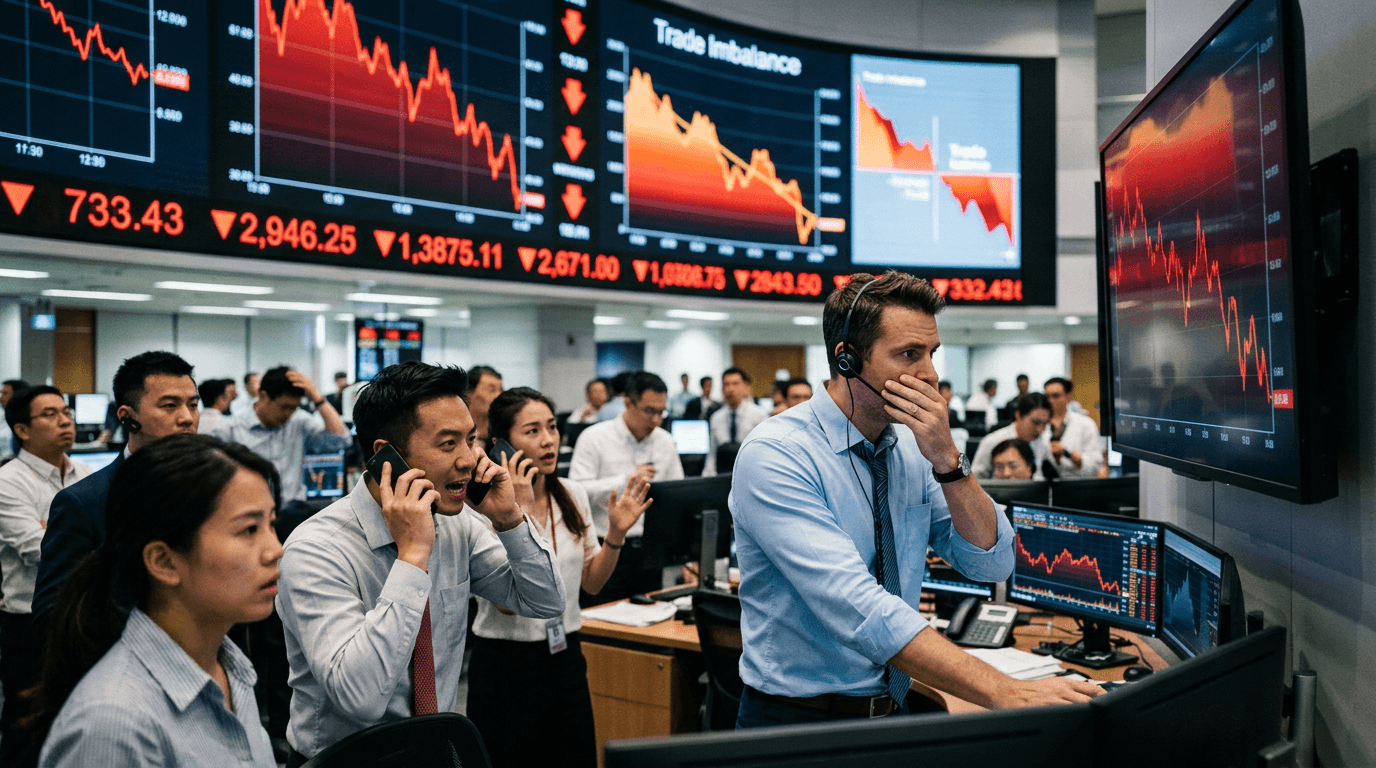
April 11, 2025, marked a pivotal moment in the US-China trade conflict when China announced an unprecedented 125% tariff on American imports, effective April 12. This dramatic increase from the previous 84% underscores Beijing's resolve to counteract what it perceives as aggressive US protectionism. For traders and investors grappling with today's volatile markets, comprehending the nuances of this tariff war is crucial to effectively managing portfolios and seizing trading opportunities across currencies, equities, and commodities.
Decoding the Escalation Cascade
To understand China's decisive action, it's essential to examine the rapid tariff escalation that led to it. In early April 2025, the Trump administration intensified its tariff strategy, citing issues like fentanyl trafficking and China's perceived disregard for global trade rules. Successive US tariff hikes—culminating in a 145% rate—prompted a reciprocal response from China, culminating in its 125% tariff increase. China's Ministry of Finance described this as a final adjustment, signaling that Beijing will no longer mirror future US tariff hikes and is setting a firm boundary in negotiations.
Economic Fallout and Growth Implications
The economic repercussions of these tariffs are significant, with ripple effects across multiple regions. Economists forecast a potential decline of one to two percentage points in China's GDP growth—an impactful reduction for an economy typically expanding at 4-6% annually. Heavily reliant on exports, Chinese manufacturers face formidable challenges in production and employment due to the compounded burden of US tariffs and diminished purchasing power. The effects extend beyond mainland China, with Hong Kong—exporting $38 billion worth of goods to the US in 2024—grappling with compounded challenges as a transshipment hub and financial center. This highlights how bilateral trade tensions between Washington and Beijing reverberate throughout Asia's interconnected economic system, impacting supply chains, employment, and investment flows region-wide.
Currency Strategy and Competitive Positioning
In response to tariff-induced economic pressure, the People's Bank of China adopted an aggressive currency depreciation strategy. On April 9, 2025, it set the USD/CNH reference rate at 7.2066, the weakest since September 2023, deliberately weakening the yuan to bolster the global competitiveness of Chinese exports. This controversial move aims to offset some tariff impacts by making Chinese goods cheaper for foreign buyers. For traders, this currency shift presents significant opportunities in emerging market forex pairs, particularly USD/CNH and related Asian currency crosses. The PBoC's readiness to use currency devaluation as a policy tool suggests that traditional monetary policy constraints may be secondary to competitive devaluation objectives, potentially sparking broader emerging market currency volatility.
Beyond Tariffs: Non-Tariff Measures
China's retaliation extends beyond traditional tariffs into technology access and investment restrictions. The Ministry of Commerce added 12 American companies to its export control list, barring them from receiving Chinese dual-use exports with military applications. Additionally, six US companies were placed on the Unreliable Entity List due to alleged involvement in arms sales or military technology cooperation with Taiwan. These measures represent a strategic escalation beyond tariff increases, targeting specific sectors and companies while restricting technology transfer and investment flows. For investors monitoring US technology firms, semiconductors, and defense contractors, these actions pose additional risks beyond tariff costs—they raise questions about market access, supply chain viability, and geopolitical risk premiums.
Strategic Diversification and Market Implications
Recognizing the vulnerability of over-reliance on US markets, China has accelerated efforts to strengthen ties with alternative trading partners, including the European Union and Japan. This diversification strategy reflects Beijing's acknowledgment that the trajectory of US-China relations remains uncertain and potentially hostile. For traders and investors, this shift suggests that global supply chain reconfiguration will continue, creating both risks and opportunities in emerging markets, alternative developed economies, and companies positioned to benefit from trade flow redirection.
Key Takeaways for Traders
China's 125% tariff announcement offers multiple actionable insights. Expect continued volatility across equities, currencies, and commodities as negotiations progress. Sectors heavily exposed to US-China trade warrant careful monitoring. Currency fluctuations in USD/CNH and emerging market pairs present trading opportunities as central banks adjust policies. However, both sides have signaled a willingness to negotiate, suggesting current tariff levels may not represent a long-term equilibrium. Breakthrough negotiations remain possible, creating event-driven opportunities for traders positioned accordingly.