
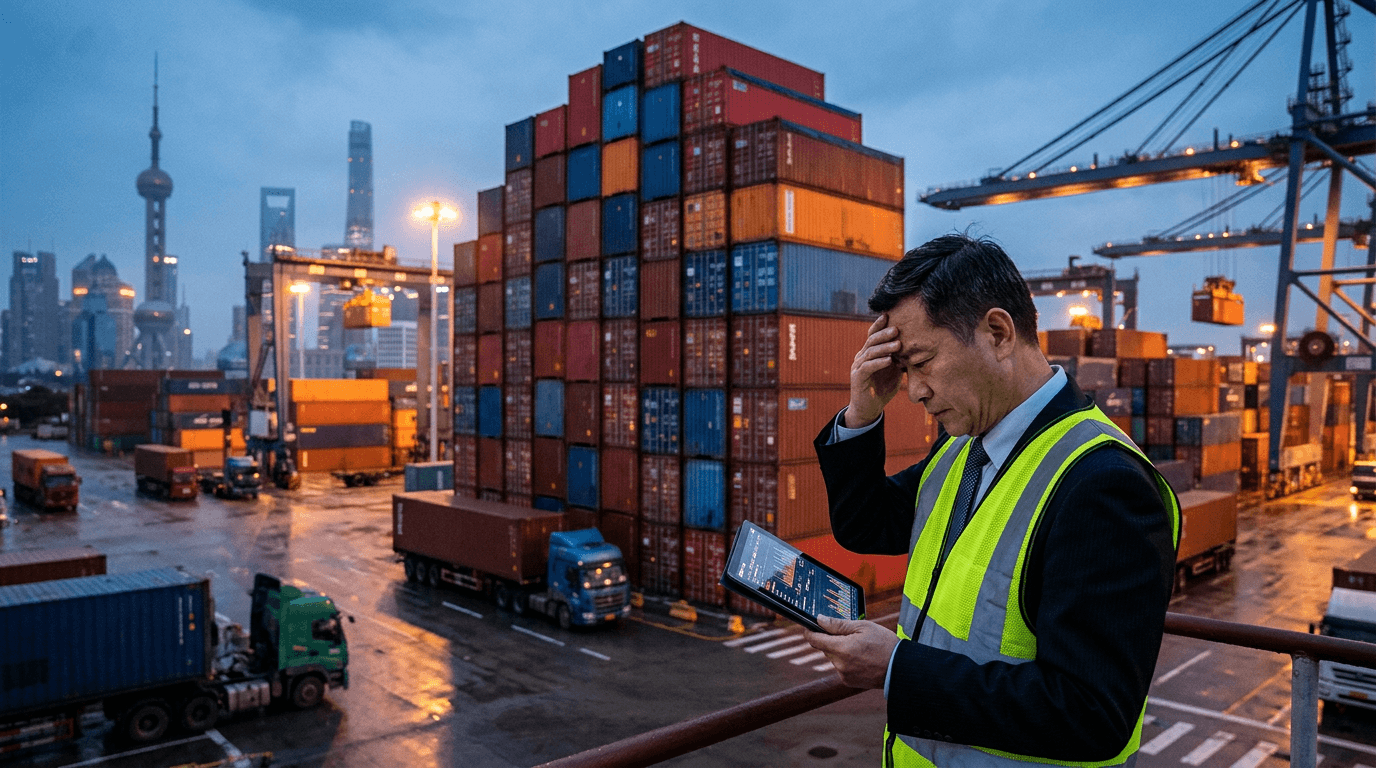
The trade conflict between the United States and China hit a pivotal moment in April 2025 when Beijing announced a steep increase in tariffs on American goods, raising them to 125% effective April 12. This sharp rise from the previous 84% rate was a direct counter to Washington's assertive trade strategies. For those engaged in simulated finance markets, this escalation offers crucial insights into how geopolitical tensions drive market volatility and create trading opportunities across various asset classes.
The Rapid Escalation Timeline
The swift escalation between these two economic giants highlights how quickly bilateral relations can deteriorate when both sides adopt aggressive positions. On April 10, 2025, the United States raised tariffs on Chinese imports to 145%, triggering immediate concern in Beijing. In response, China's Ministry of Finance announced on the following day that tariffs would rise to 125% on US imports, effective two days later on April 12.
This rapid timeline left companies scrambling to adjust supply chains, revise pricing strategies, and reevaluate market access plans. The fast-paced nature of these announcements injected significant uncertainty into financial markets, as traders grappled with the trade war's full economic implications. For those trading in simulated environments, this scenario underscores how policy announcements can impact markets more swiftly than traditional economic data, necessitating constant vigilance to news updates and official statements.
Understanding China's Economic Rationale
China's Ministry of Finance offered essential context for its dramatic tariff increase. The ministry's official statement indicated that under the current conditions, the market could no longer sustain US exports to China. This language suggested that Beijing viewed the tariffs as reaching unsustainable economic levels, effectively stifling trade flows that had previously supported bilateral commerce.
Notably, China also communicated through official channels that it would not indefinitely match US tariff hikes. The ministry stated that if the US continued increasing tariffs, China would refrain from further escalation. This strategic decision positioned the 125% tariff as the final move in China's retaliatory strategy, establishing a ceiling on Chinese tariff rates regardless of future US actions.
The Diplomatic Dimension
Despite strong rhetoric accompanying the tariff announcement, China's approach showed nuance beneath the surface aggression. The government condemned the US actions as a serious breach of international economic and trade rules, labeling them as unilateral bullying and coercion. However, alongside this harsh language were signals of willingness to negotiate. Through an April 9 State Council white paper, China expressed openness to talks with the United States, suggesting that diplomatic solutions remained possible even as tariffs soared to unprecedented levels.
This blend of aggressive tariffs and diplomatic signaling created a complex negotiating environment. For traders, it indicated that while markets should brace for ongoing volatility from the trade war, the potential for negotiations or de-escalation should not be dismissed. Policy moves that appear maximally aggressive might actually serve as negotiating positions rather than permanent endpoints.
Implications For Traders And Investors
The tariff hike to 125% provides multiple lessons for those analyzing macroeconomic policy and its market impact. Firstly, the magnitude of change is crucial. A 50% increase in tariff rates from 84% to 125% signifies far more than a minor trade policy adjustment. Such significant shifts typically provoke substantial market reactions, presenting both risks and opportunities based on one's market positioning.
Secondly, the language used in official announcements offers vital insights into policymakers' intentions and constraints. When China explicitly stated that the market could no longer absorb US goods under current tariffs, this communicated both an economic limit and a political ceiling. Traders who understood these signals could better gauge whether further escalation was probable or if a plateau had been reached.
Thirdly, the trade war illustrated that tariff announcements are part of broader policy narratives rather than isolated incidents. Companies must fundamentally adjust sourcing strategies, investors need to reassess exposure to firms reliant on US-China trade, and traders should monitor how broader geopolitical relationships evolve. The tariff announcement was not the conclusion but a chapter in an ongoing trade conflict that would continue to generate trading opportunities and challenges.
Strategic Takeaways For Market Participants
Grasping the dynamics surrounding China's 125% tariff announcement refines analytical frameworks for assessing policy-driven market movements. Key takeaways include monitoring the speed and scale of policy changes, paying close attention to official language about future intentions, recognizing when diplomatic avenues remain open despite aggressive rhetoric, and positioning individual policy moves within broader narratives about bilateral relationships and global trade structures. These skills are invaluable for traders navigating macroeconomic events influenced by policy decisions rather than purely by fundamental economic forces.
---
EXCERPT: China raised tariffs on US goods to 125% in April 2025, marking a pivotal point in the trade war. Learn what market participants should know about policy-driven volatility.
NEWSIMPACTSCORE: 8