
In April 2025, China announced an unprecedented 125% tariff on US goods, marking a critical juncture in the trade conflict between the two largest global economies. This decision reverberated through the financial world, compelling traders, investors, and businesses to swiftly reconsider their strategies. For those engaged in simulated finance scenarios, it served as a real-time lesson in how geopolitical tensions can swiftly transform into concrete market opportunities and challenges.
The Escalation Unfolds Swiftly
The journey to the 125% tariff was marked by rapid escalation. Starting from an initial tariff rate of 34% on April 4, 2025, the situation intensified when the United States increased its tariffs on Chinese goods to 145% by April 10. China's swift retaliation saw tariffs jump to 84% the following day, culminating in the dramatic hike to 125% effective April 12. Within just a week, the tariffs had soared, leaving many market observers unprepared for such a rapid escalation.
China's Ministry of Finance explained that the 125% tariff level was necessary as the market could no longer sustainably absorb US goods under the prevailing conditions. This move was calculated to render US exports economically impractical in China, effectively stalling significant trade flows. Beijing's decision reflected a strategic calculation aimed at achieving its policy goals despite the economic fallout.
A Multi-layered Response
The tariff increase was only one facet of China's comprehensive retaliation. Alongside the tariff hike, China placed 11 US companies on the "unreliable entity list," effectively severing their access to Chinese markets due to alleged military-related technology cooperation with Taiwan. This multifaceted approach demonstrated China's readiness to employ a broad spectrum of policy tools, extending beyond conventional tariffs to include non-tariff barriers and targeted sanctions.
This strategic diversification highlighted a form of sophisticated economic warfare. By combining extensive tariffs with targeted sanctions against specific entities, China intensified pressure while signaling its capacity for further escalation if required. For traders, this highlighted a crucial lesson: policy retaliations are rarely isolated events. Analyzing geopolitical developments demands an understanding of all the policy instruments at play, not just the overt ones.
Market Turbulence And Volatility
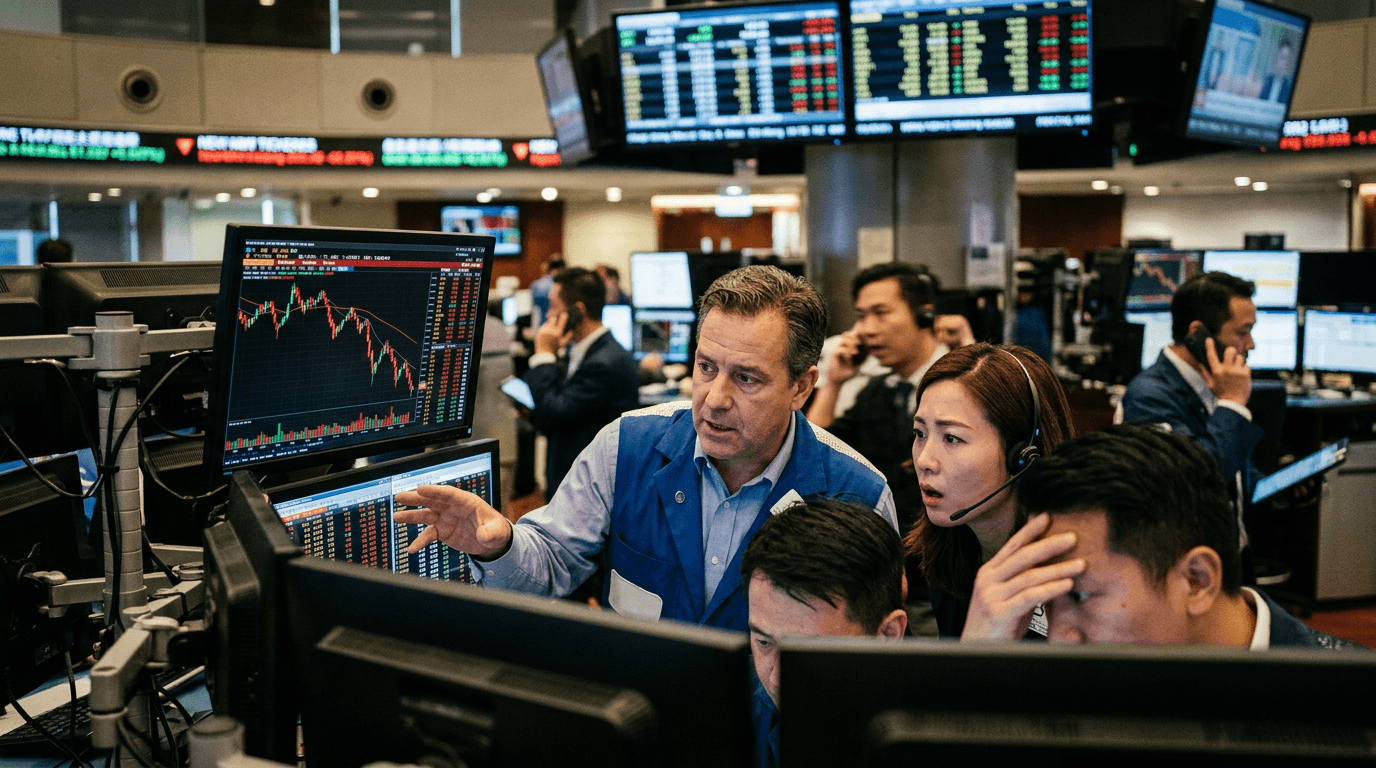
The financial markets reacted sharply to the announcement of the 125% tariff. Emerging market currencies experienced significant pressure, prompting investors to reassess their risk exposure. Commodity prices fluctuated dramatically as uncertainty permeated supply-dependent sectors. In Asia, equity indices saw steep declines as investors adjusted their portfolios and sought to hedge their risks.
The swift leap from 84% to 125% tariffs within a single day underscored the magnitude of policy changes. For traders in simulated finance scenarios, such drastic shifts presented both risks and opportunities. Those strategically positioned could capitalize on the volatility, while those on the wrong side faced substantial losses. The event illustrated how macroeconomic policy shocks can swiftly unravel long-standing supply chain relationships and disrupt established market pricing structures.
Strategic Insights For Traders
China's 125% tariff announcement yielded several strategic insights. Firstly, shifts in trade policy exert a disproportionately large impact compared to other economic factors, with the potential to disrupt supply chains and commercial relationships forged over decades. Secondly, policy escalations often follow unpredictable trajectories. The rapid escalation from 84% to 125% tariffs suggested that further swift changes remained a possibility. Lastly, policy retaliations are seldom isolated—comprehensive responses involving multiple instruments are increasingly prevalent.
For traders in simulated finance environments, this event underscored the importance of closely monitoring geopolitical developments and policy announcements. While traditional focuses on earnings reports, economic data, and technical analysis remain relevant, they increasingly require complementary attention to trade policy dynamics and diplomatic tensions.
Key Takeaways For Market Participants
The tariff escalation of April 2025 underscored the necessity of understanding macroeconomic policy decisions to capitalize on resulting market opportunities. Traders who grasped the escalation sequence, recognized the economic rationale behind specific tariff levels, and anticipated Beijing's multifaceted response were better positioned to navigate the ensuing volatility.
Looking ahead, the primary lesson is clear: in an era characterized by heightened trade tensions and policy uncertainty, agility and comprehensive analysis are paramount. By dissecting policy announcements, understanding the strategic calculations behind them, and recognizing the full array of available policy tools, traders can better interpret geopolitical developments and exploit the resulting opportunities.