
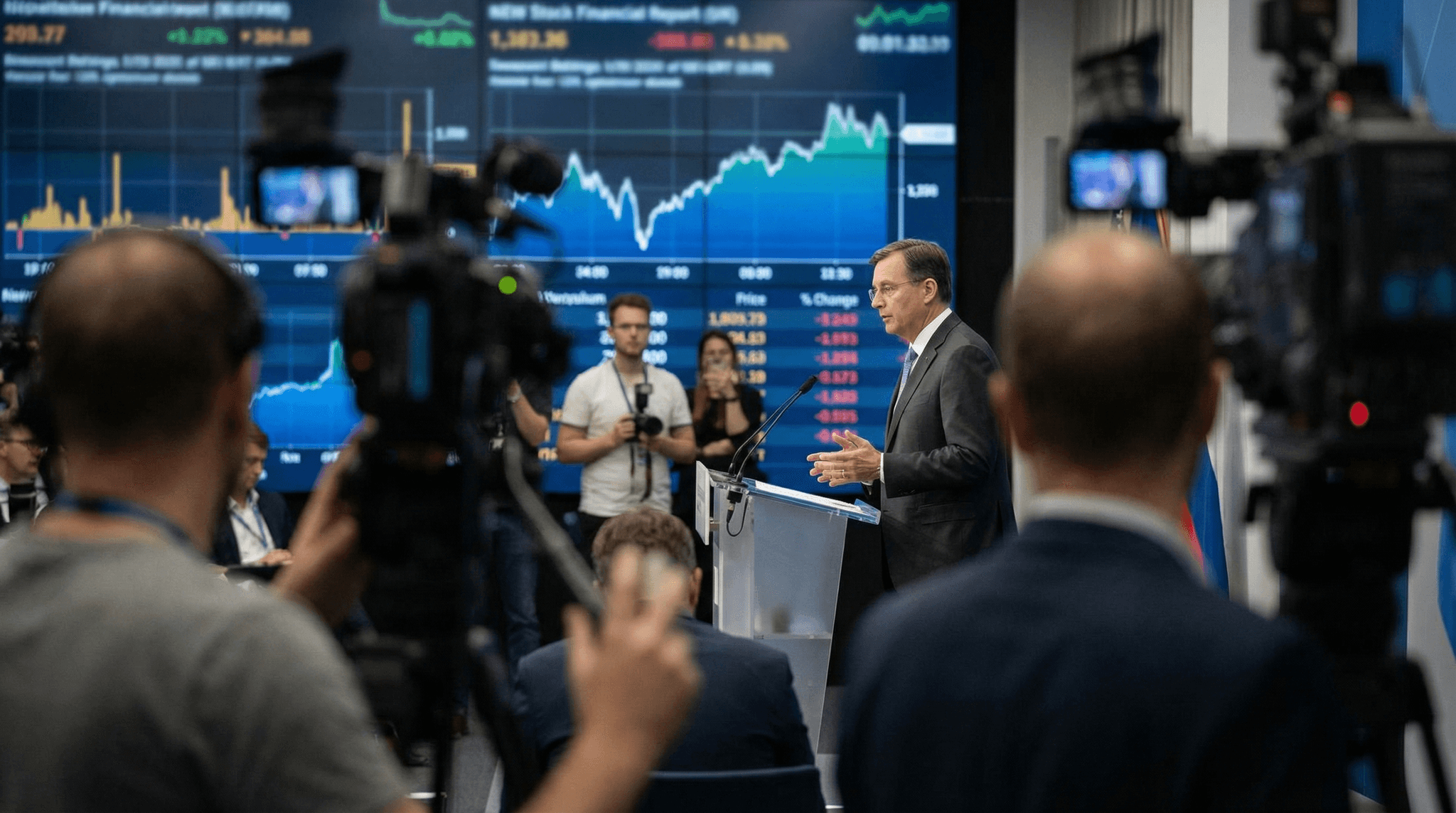
The Federal Reserve's decision to maintain interest rates at 3.5-3.75% on January 28, 2026, marked a pivotal pause in the central bank's recent monetary policy trajectory. After delivering three consecutive quarter-point rate cuts in the final months of 2025, the Federal Open Market Committee (FOMC) voted 10-2 to hold steady, signaling a shift toward a more cautious approach as policymakers navigate competing economic pressures. This decision carries significant implications for traders, investors, and borrowers alike, particularly in a market environment characterized by political pressure from the Trump administration and persistent economic uncertainty.
The Reasoning Behind The Hold
The FOMC's decision to pause rate cuts stems from a complex economic landscape that presents both opportunities and challenges. In their official statement, Fed officials noted that the economy is "expanding at a solid pace," a positive indicator of continued growth. However, this strength masks underlying concerns that prompted the decision to step back from further cuts. Inflation continues to run elevated at 2.9% year-over-year according to the personal consumption expenditures index, significantly above the Federal Reserve's 2% target. Fed Chair Jerome Powell acknowledged during his press conference that "elevated readings largely reflect inflation in the goods sector, which has been boosted by the effects of tariffs," while services sector inflation has shown signs of improvement.
Job market dynamics also influenced the hold decision. The FOMC noted that job gains have remained low despite unemployment showing signs of stabilization. This combination of solid economic growth, persistent inflation above target, and a labor market that's neither weakening dramatically nor accelerating created a justification for maintaining the status quo rather than deploying additional rate cuts that could risk further inflation increases.
What This Means For Your Trading Strategy
For SimFi traders, the rate hold creates specific opportunities and challenges across multiple asset classes. In the forex market, the decision to maintain the federal funds rate near neutral levels supports the U.S. dollar by suggesting the Fed is unlikely to lag significantly behind other central banks in its monetary stance. The stability of rates at 3.5-3.75% provides a relatively attractive yield environment for dollar-denominated assets compared to many global alternatives.
Equity traders should recognize that the pause, while disappointing to those expecting immediate rate relief, does preserve the possibility of future cuts later in 2026. According to market expectations, the Fed could still deliver one rate cut during the year, likely in the second half. This outlook supports equity valuations by suggesting interest rates won't remain restrictively high indefinitely. Growth stocks and technology sector positions benefit from this perspective, though near-term volatility may persist as traders assess the path forward.
Fixed income traders face a flattening yield curve environment where rate expectations remain data-dependent. The two dissenting votes from Fed Governors Stephen Miran and Christopher Waller, both favoring a 25 basis point cut, highlight internal division that could influence future decisions. This internal debate adds an element of unpredictability that traders should monitor closely in bond markets.
The Political And Inflation Backdrop
The Fed's hold decision occurred amid extraordinary political pressure and institutional scrutiny. President Trump has been vocal in his criticism of Chair Powell, calling for deeper rate cuts to support the economy and ease affordability pressures. However, Powell and the FOMC maintained independence in their decision-making process, refusing to cut despite this pressure. The decision reflects the Fed's commitment to its dual mandate of maximum employment and price stability, even when political actors advocate for looser monetary conditions.
Inflation remains the primary constraint on additional rate cuts. While goods inflation has been influenced by tariff effects, the persistently elevated price environment across consumer goods, housing, and services suggests that cutting rates aggressively could risk rekindling inflation expectations. The Fed's cautious approach reflects lessons from recent inflationary episodes and the challenge of managing inflation expectations during an election cycle.
Looking Ahead: The Path Forward
The January hold doesn't represent the beginning of a prolonged pause. Market participants and Fed officials acknowledge that economic data will guide future decisions. The most probable scenario involves one rate cut later in 2026, potentially in the second half of the year if inflation continues moderating and growth slows. However, this baseline case remains contingent on data trends.
For traders, the key is monitoring upcoming employment reports, inflation data, and Fed communications. Fed Chair Powell emphasized that the central bank is "well-positioned to let the data speak to us," suggesting a flexible, data-dependent approach rather than a predetermined policy path. This creates trading opportunities around economic data releases that move expectations for future Fed action.
The rate hold also sets the stage for important personnel transitions. Powell's term as Fed Chair expires in May 2026, and the Trump administration will announce a successor. This leadership change adds uncertainty to longer-term policy expectations and could shift the Fed's monetary posture.