
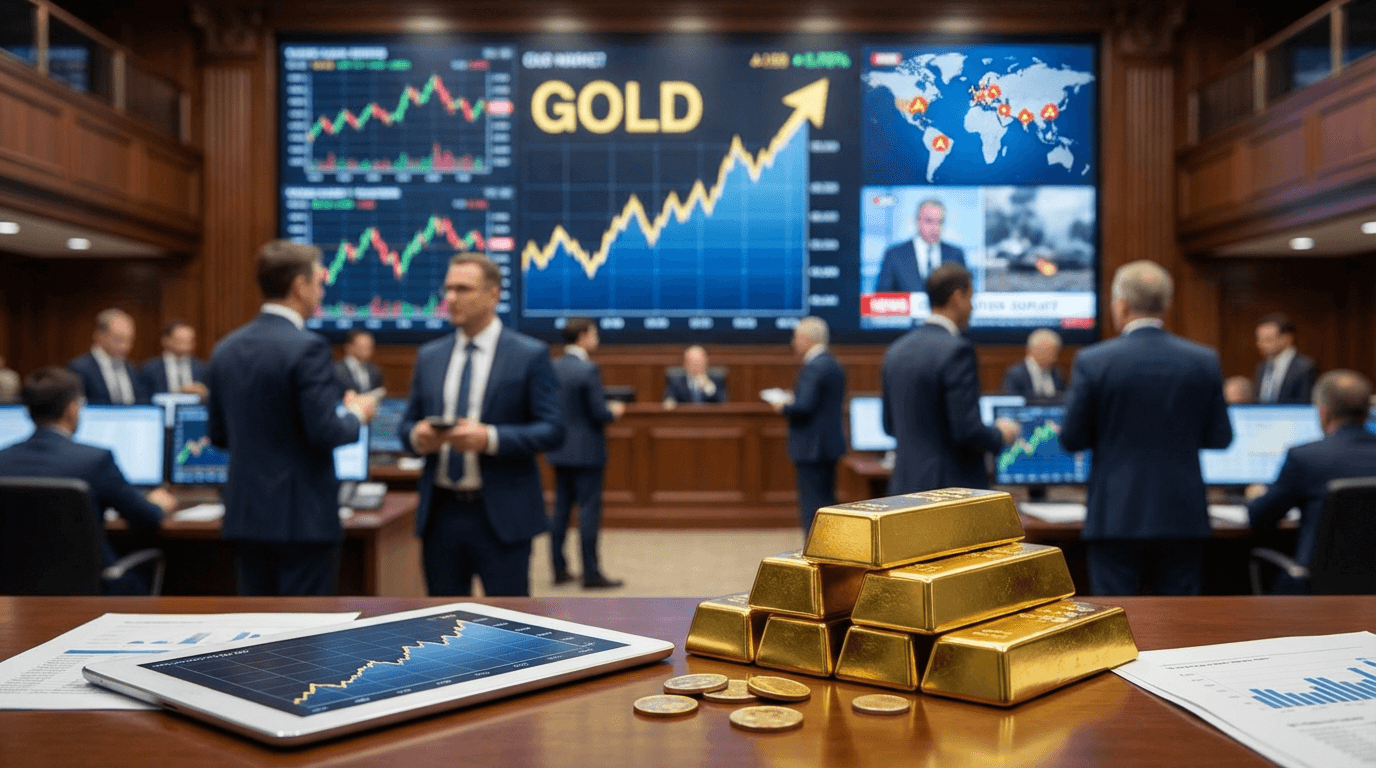
Gold prices have reached unprecedented levels, with spot prices surging past $5,600 per ounce in January 2026, marking the highest valuations in recorded history. This remarkable milestone reflects a confluence of factors that have transformed the precious metals market into one of the most dynamic trading environments in recent years. Investors and traders are closely watching as multiple macroeconomic and geopolitical forces converge to push safe-haven assets to extraordinary valuations, reshaping portfolio strategies across the financial landscape.
The Perfect Storm: Multiple Forces Converging
Gold's record-breaking rally isn't driven by a single factor but rather a perfect convergence of market conditions that have created unprecedented demand for safe-haven assets. Over the past year alone, gold has appreciated nearly 97%, with the past month seeing gains of approximately 27%. These aren't modest moves in a traditional commodity market—they represent a fundamental shift in how investors are positioned and thinking about risk management. The combination of currency weakness, monetary policy uncertainty, and escalating geopolitical tensions has created an environment where gold serves not just as an investment but as insurance against systemic risks.
The Federal Reserve's decision to hold interest rates steady at 3.50% to 3.75% provided important context for this rally. While the Fed acknowledged resilient economic activity and early signs of labor-market stabilization, officials emphasized elevated inflation concerns and high uncertainty around the economic outlook. Notably, two Federal Reserve policymakers favored an immediate rate cut, signaling that easing measures remain on the table for later in 2026. This mixed messaging has left markets uncertain about the path of monetary policy, driving investors toward gold as a hedge against both inflation and potential economic disruption.
The Dollar's Collapse: A Tailwind For Commodities
One of the most significant catalysts for gold's surge has been the remarkable weakness in the US dollar, which has reached four-year lows against a basket of major currencies. President Trump's recent dismissal of the dollar's decline—signaling tolerance for currency weakness despite ongoing tariff threats—has accelerated this trend. The dollar's weakness is particularly significant because gold prices and currency values move inversely. When the dollar weakens, gold becomes cheaper for international buyers, driving increased demand from foreign investors and central banks.
This currency dynamic has implications that extend far beyond gold. The weak dollar is making other commodities more attractive to global buyers, creating a broader commodity rally that complements gold's record performance. For traders and investors operating in the SimFi space, understanding these currency movements is essential for predicting commodity price movements and positioning portfolios accordingly.
Geopolitical Uncertainty: The Hidden Catalyst
While economic factors grab headlines, geopolitical tensions are playing an outsized role in driving gold demand. US warnings about possible military action against Iran and statements that American naval forces in the region are prepared to act "with speed and violence, if necessary" have elevated safe-haven demand substantially. Whenever geopolitical risks increase, investors instinctively move capital into assets perceived as secure and universally valuable—and gold sits at the top of that list.
This geopolitical premium on gold prices reflects a fundamental truth about precious metals: they hold value regardless of political outcomes or currency crises. During periods of international tension, gold often appreciates because it transcends borders and political systems. For SimFi traders and risk managers, this geopolitical component represents a structural driver that can push commodity prices independent of traditional economic indicators.
Central Bank Buying And Etfs Amplify The Move
Beyond macroeconomic factors, gold's rally has been amplified by robust central bank buying and sustained exchange-traded fund inflows. Central banks worldwide have increased their gold reserves substantially as they seek to diversify away from dollar-denominated assets, particularly given currency volatility and economic uncertainty. Simultaneously, ETF inflows have brought retail investors into the gold market, creating a virtuous cycle of demand that has pushed prices to new records with each passing week.
These structural demand factors are significant because they suggest gold's elevated valuations may have staying power. When both institutional central banks and retail investors are buying, the demand is broad-based and persistent, reducing the likelihood of sudden price collapses.
Key Takeaways For Traders And Investors
For participants in the SimFi trading environment, gold's record prices present both opportunities and challenges. First, recognize that gold prices are now heavily influenced by currency movements—understanding dollar trends is essential for predicting commodity moves. Second, geopolitical risk premiums can drive sudden price jumps independent of fundamental valuations, requiring careful risk management. Third, central bank positioning and ETF flows create structural support that can sustain elevated price levels.
As gold continues trading at record valuations, traders should consider how this safe-haven rally interacts with their broader portfolio positioning. The commodity market has fundamentally shifted, with gold serving as a critical hedge against the multiple uncertainties facing global financial markets in 2026.